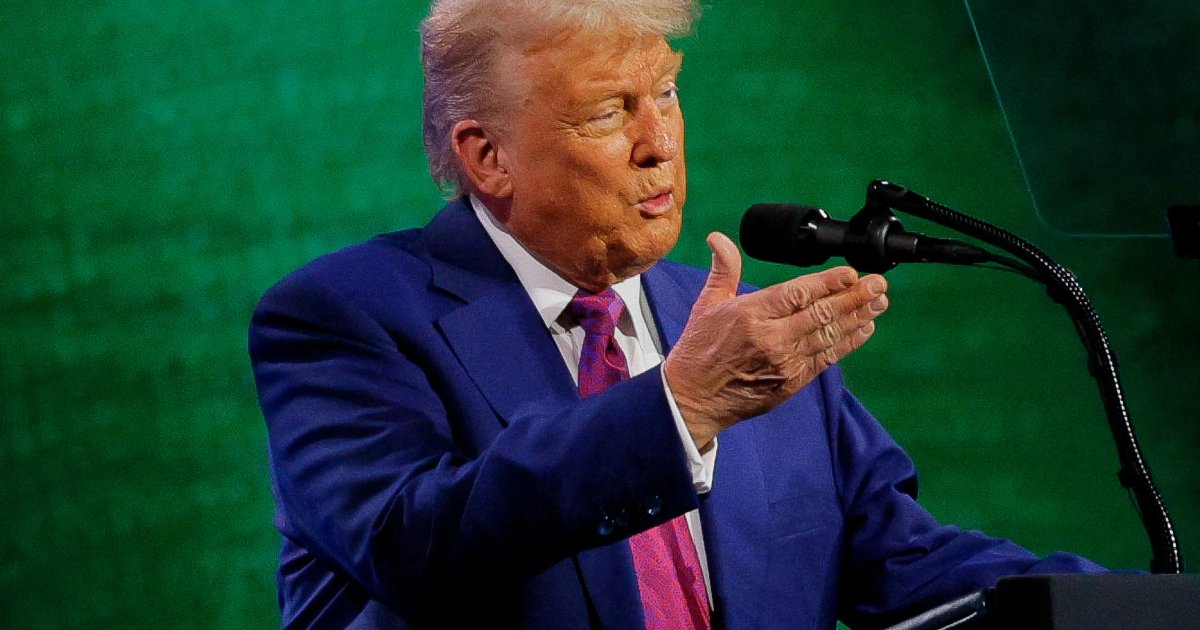
U.S. President Donald Trump has announced a temporary ceasefire with Iran, emphasizing the importance of this step in alleviating tensions between the two countries. This announcement comes at a critical moment as concerns about a potential military escalation in the region are growing, which could impact both regional and international security.
In his official statement, Trump confirmed that the ceasefire aims to open channels of dialogue between Washington and Tehran, noting that this step could contribute to achieving stability in the Middle East. He also clarified that the United States is ready to negotiate with Iran regarding its nuclear issues and regional behavior.
Details of the Announcement
This ceasefire follows a series of escalating tensions between the United States and Iran, marked by exchanges of accusations and threats. Trump stated in his announcement that the ceasefire is not permanent and depends on Iran's future behavior. He also indicated that the United States will remain vigilant against any actions that could be considered a threat to its national security.
The official statement included a call to the international community to support this initiative, with Trump stressing the importance of international cooperation in facing common challenges. This announcement has received mixed reactions from U.S. allies, with some expressing support while others voiced concerns about the possibility of Iran exploiting this opportunity.
Background & Context
Historically, U.S.-Iranian relations have been marked by recurring tensions, especially following the U.S. withdrawal from the nuclear agreement in 2018. This withdrawal led to the reimposition of economic sanctions on Iran, exacerbating tensions. In recent years, fears of potential military escalation have increased, particularly after attacks on oil facilities in Saudi Arabia.
The current ceasefire comes at a time when the region is experiencing significant geopolitical changes, with some countries seeking to improve their relations with Iran. This context makes the ceasefire an important step that could influence the future of regional and international relations.
Impact & Consequences
This ceasefire could lead to a reduction in tensions in the region, potentially contributing to the stability of oil markets and financial markets in general. Moreover, the success of this initiative could pave the way for broader negotiations that include other issues such as Iran's support for armed groups in the region.
On the other hand, the United States may face pressure from its allies in the region, who might view this ceasefire as an opportunity to reassess their strategies towards Iran. If the ceasefire fails, it could lead to a new escalation of tensions, negatively impacting regional security.
Regional Significance
The ceasefire with Iran is a step that could significantly affect Arab countries, especially those directly impacted by Iranian policies. Countries like Saudi Arabia and the UAE may be particularly interested in monitoring the outcomes of this ceasefire, as any escalation could affect their stability and security.
Ultimately, the question remains about the seriousness of Iran's commitment to this ceasefire and whether it will seize the opportunity to negotiate on its nuclear issues. The success of this initiative could open new avenues for peace in the region, while failure could lead to greater escalation of tensions.