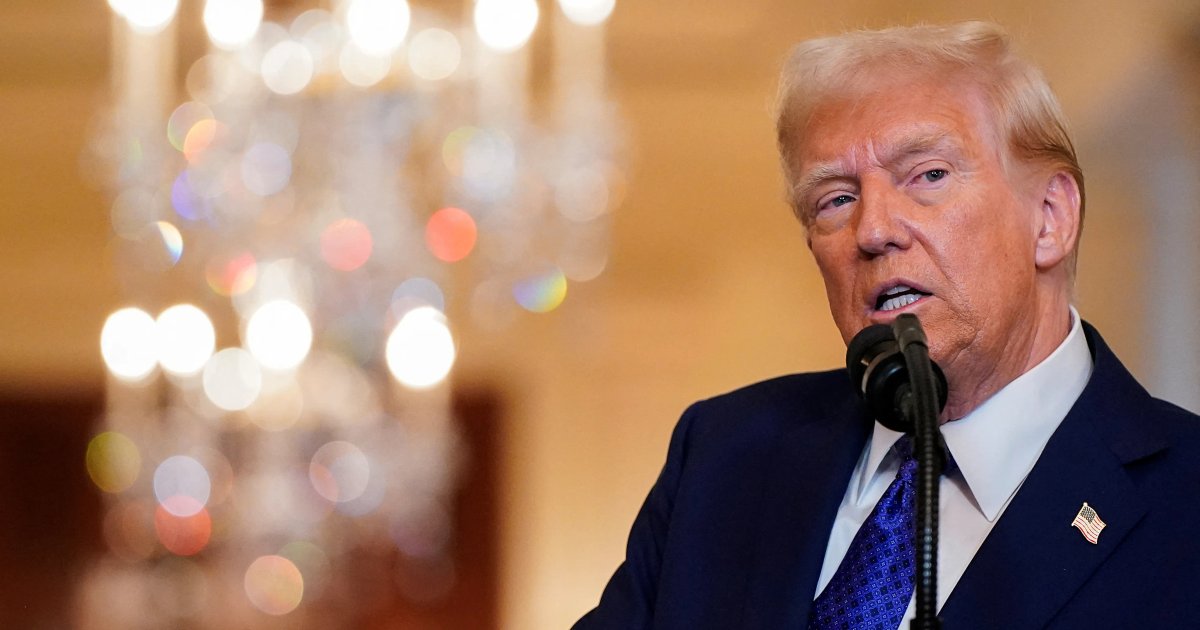
In provocative statements, US President Donald Trump confirmed that the United States has indeed begun taking steps to control the Strait of Hormuz, one of the world's most crucial maritime passages, amid rising tensions with Iran. This was stated during an interview with Channel 14 in Israel on Sunday, March 29.
In response to a question about the US's ability to control this strategic passage, Trump confidently replied, "Yes, of course. It has already happened." He also highlighted the close cooperation with Israel in this regard, asserting that the relationship between the United States and Israel has never been better.
Details of the Event
Trump's remarks come at a sensitive time, as the region is witnessing military escalation between the United States and Iran. Since February 28, the US and Israel have carried out a series of airstrikes against Iran, resulting in the deaths of over 1,340 people, including former Supreme Leader Ali Khamenei.
In retaliation, Iran has responded to these attacks by conducting drone operations and missile strikes targeting Israel and US military sites in Jordan, Iraq, and Gulf states. These escalations reflect a growing instability in the region, raising concerns about the potential for a larger conflict.
Background & Context
The Strait of Hormuz is a vital point for oil and gas transportation, through which approximately 20% of the world's oil supplies pass. Historically, this strait has been a theater of tensions between Iran and Western countries, especially under the sanctions imposed on Tehran due to its nuclear program.
Tensions have significantly increased since the United States withdrew from the Iranian nuclear deal in 2018, leading to heightened economic sanctions against Iran. These conditions have made the Strait of Hormuz a focal point in the conflict between major powers in the region.
Impact & Consequences
Through these steps, the United States aims to bolster its military presence in the region, which could lead to escalating confrontations with Iran. If these dynamics continue, we may witness military responses from Iran, increasing the risk of a full-scale conflict in the region.
Moreover, US control over the Strait of Hormuz could significantly impact global oil prices, as any threats to close this passage could sharply raise prices, affecting the global economy.
Regional Significance
The Arab Gulf states, particularly Saudi Arabia and the UAE, are among the most affected by the tensions in the Strait of Hormuz. Any military escalation could destabilize these countries, threatening their economic and political security.
Furthermore, relations between Arab states and Iran could be significantly affected, as Arab countries may be compelled to take a tougher stance against Iran, exacerbating divisions in the region.