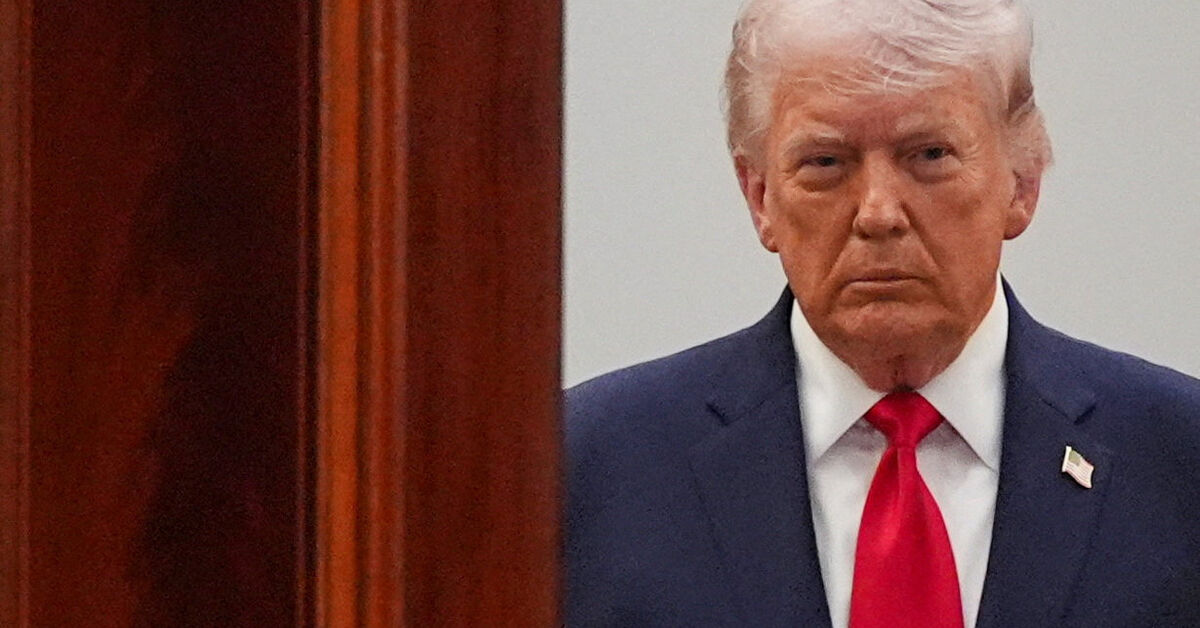
In an unconventional step, President Donald Trump and other government officials referred to the rescue of an American pilot from Iran as an 'Easter miracle' during remarks made on Sunday. These comments come at a sensitive time as Trump seeks to bolster his position amid increasing criticism of his foreign policy.
These statements are set against the backdrop of using religion as a means to justify military operations, with officials considering this operation a just and blessed cause for war. This use of religion in politics has drawn widespread criticism from observers who believe it conflates faith with politics.
Details of the Event
In previous years, U.S. administrations typically issued traditional Easter greetings, but this year was different. Religious language was employed in a military context, raising questions about the extent to which religion influences political decisions. Critics argue that this could shape a specific narrative about war, potentially affecting public opinion.
It is noteworthy that the rescue was successfully executed, with the American pilot recovered under challenging circumstances. However, the use of religion to highlight this operation may provoke further debate on how religion is utilized in American politics.
Background & Context
Historically, governments have often used religion as a tool to bolster their political stances, justifying wars and conflicts. In the case of the United States, there has been a long-standing tradition of employing religion to unite the populace around certain issues. Nevertheless, this approach can lead to greater division within society, especially amidst current tensions.
Moreover, U.S.-Iran relations have seen escalating tensions over the years, with numerous incidents leading to heightened situations. These remarks come at a critical juncture as Trump aims to strengthen his position ahead of the upcoming elections.
Impact & Consequences
The use of religion in politics can have negative repercussions on international relations, potentially escalating tensions between nations. In the case of Iran, such statements may elicit adverse reactions, complicating the relationship between the two countries. Additionally, this could impact the United States' image in the Islamic world, where the use of religion in politics is a sensitive issue.
Furthermore, this religious framing may influence American public opinion, leading to greater division among supporters and opponents of the war. Given the current circumstances, this could have far-reaching implications for American politics.
Regional Significance
In the Arab context, these statements could affect relations between Arab nations and Iran. The use of religion in politics may escalate tensions between countries, impacting stability in the region. Additionally, these remarks could foster anti-American sentiments in certain Arab nations.
Ultimately, it is evident that the use of religion in politics can have profound effects on international relations and may contribute to increasing tensions in a region already plagued by numerous crises.