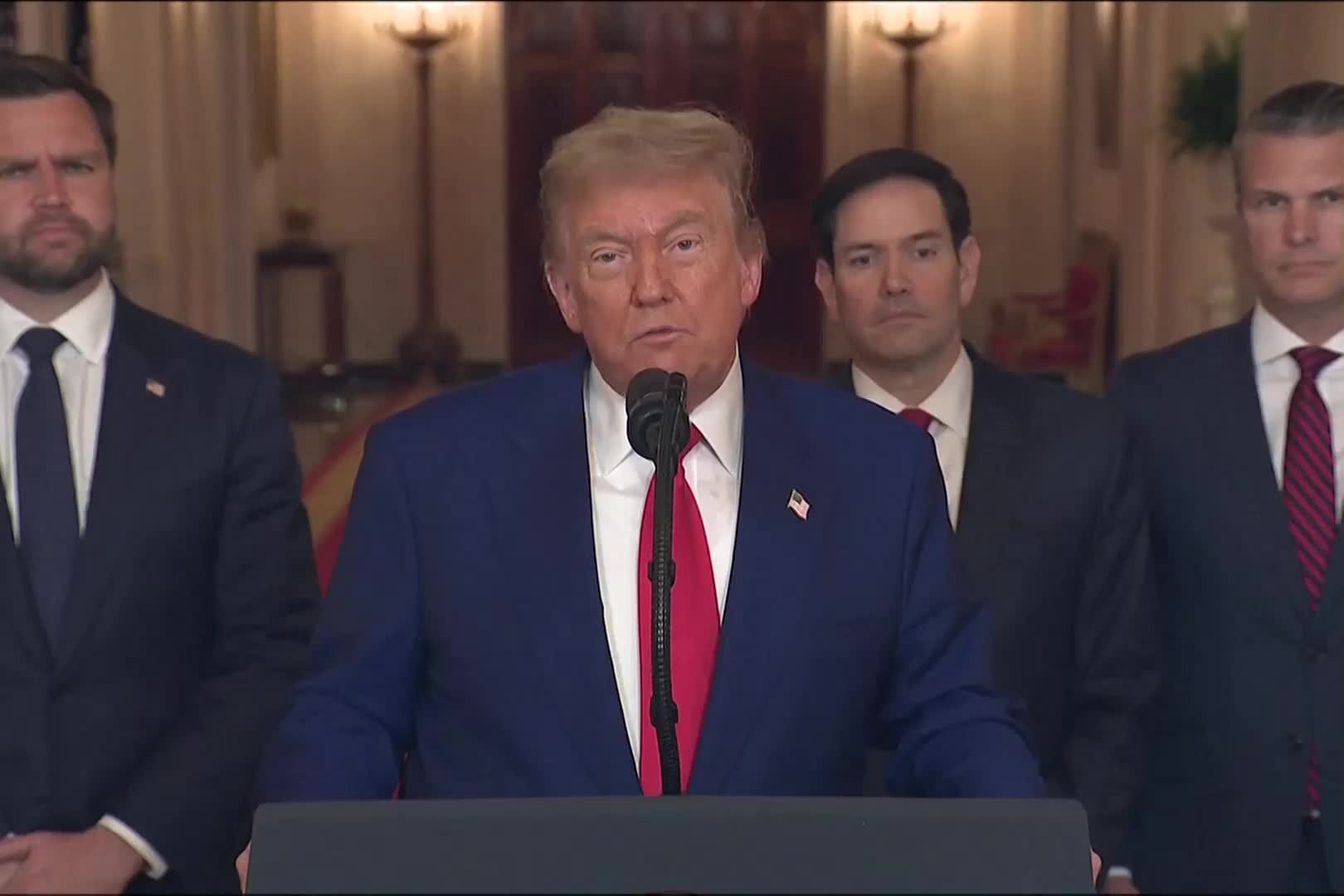
Israeli broadcasting reported on Sunday that U.S. President Donald Trump is exploring military intervention options in Iran as a potential response to the failure of negotiations with Tehran. This development comes at a highly sensitive time, as tensions are escalating in the Middle East, particularly around the Strait of Hormuz, which is considered one of the most critical maritime passages in the world.
This move, if it occurs, would represent a significant escalation in U.S. policy towards Iran, which has seen increasing tensions since Trump withdrew from the Iranian nuclear deal in 2018. The United States is seeking to exert greater pressure on Tehran, which continues its nuclear activities and expands its influence in the region.
Details of the Situation
According to reports, Trump is considering military options that include deploying ground troops in Iran, which could pave the way for direct military intervention. This comes at a time when fears are growing that Iran may seek to close the Strait of Hormuz, which would significantly impact international shipping and global oil supplies.
The Strait of Hormuz is a vital transit point for about 20% of the world's oil, and any threat to its closure could lead to a sharp increase in oil prices and heighten geopolitical tensions in the region.
Background & Context
Historically, U.S.-Iranian relations have been marked by escalating tensions since the Islamic Revolution in 1979. These tensions have particularly intensified following the U.S. withdrawal from the nuclear deal, which resulted in the imposition of strict economic sanctions on Iran. In recent years, the region has witnessed an escalation in military activities, including attacks on oil tankers and oil facilities.
Iran seeks to bolster its regional position by supporting armed groups in Iraq, Syria, and Lebanon, which increases concerns among the United States and its allies in the region. In this context, military intervention is seen as an option that could alter the balance of power in the region, but it carries serious implications that could lead to a full-scale armed conflict.
Impact & Consequences
If the option of military intervention is executed, it could lead to a significant escalation of the conflict and increase tensions between the United States and Iran. Furthermore, any military intervention could provoke a violent reaction from Tehran, potentially dragging the region into a comprehensive war.
Moreover, military intervention could affect U.S. relations with its allies in the region, as some may oppose this option, leading to new divisions in regional alliances. Additionally, any military escalation could negatively impact the global economy, especially given the current crises faced by many countries.
Regional Significance
Arab countries neighboring Iran are on high alert, as any U.S. military movements could affect the stability of the region. Countries like Iraq, Saudi Arabia, and the UAE may find themselves in a difficult position, as their interests and security could be directly impacted.
Furthermore, any escalation could lead to an influx of refugees and increased sectarian tensions in the region, potentially exacerbating existing humanitarian crises. Therefore, the situation requires significant caution from all parties involved, as any misstep could lead to dire consequences.