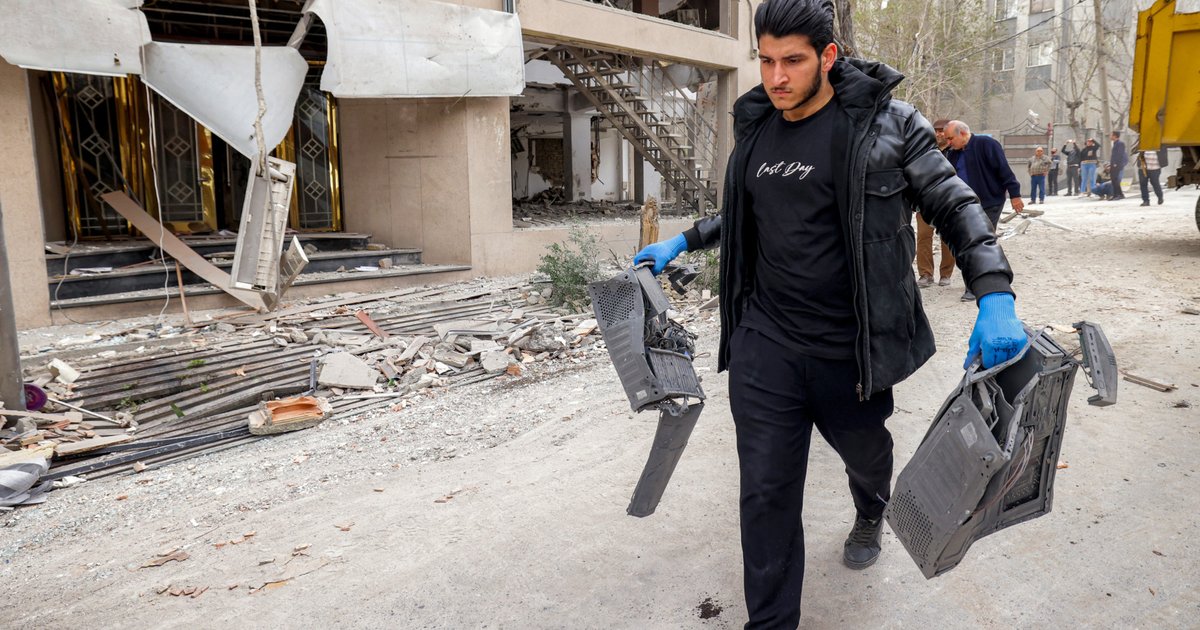
A report from the Wall Street Journal reveals that U.S. President Donald Trump is contemplating a military operation in Iran to seize its stockpile of enriched uranium, estimated at around 450 kilograms. This move comes amid increasing pressure on Tehran to surrender this uranium as a condition for ending the ongoing dispute between the two countries.
According to the report, Trump has informed his advisors of the necessity to pressure Iran into surrendering the enriched uranium, while assessing the potential risks that such a military operation could pose to U.S. forces in the region.
Details of the Situation
Tensions between the United States and Iran are significantly escalating, as Washington considers Tehran's retention of enriched uranium a threat to regional and international security. Trump has indicated to his allies that Iran should not retain any nuclear materials, reflecting a strict policy towards the Iranian nuclear program.
These statements come at a time when negotiations regarding the Iranian nuclear agreement are ongoing, from which the United States withdrew in 2018, complicating relations between the two parties. This step by Trump is seen as an attempt to pressure Iran to return to the negotiating table under new conditions.
Background & Context
The roots of the dispute between the United States and Iran date back decades, with relations between the two countries experiencing increasing tensions since the Islamic Revolution in 1979. Since then, the United States has taken a series of punitive measures against Iran, including imposing strict economic sanctions.
In recent years, concerns have escalated that Iran may seek to develop nuclear weapons, prompting the international community to take steps to limit its nuclear program. Iran reached an agreement with major powers in 2015, but the U.S. withdrawal from the agreement in 2018 brought matters back to square one.
Impact & Consequences
If a U.S. military operation against Iran is executed, it could lead to a significant escalation in the region, where Iran may retaliate with military operations against U.S. interests or its allies. Such a move could also destabilize the Gulf region, which is considered one of the most sensitive areas in the world.
Furthermore, any military escalation could affect global oil prices, as the Gulf region is a vital transit point for oil shipments. Thus, any tension in U.S.-Iran relations could negatively impact the global economy.
Regional Significance
Neighboring Arab countries, such as Iraq and Saudi Arabia, are among the most affected by the rising tensions between the United States and Iran. Any military conflict could have serious repercussions for security and stability in these countries.
Arab nations may find themselves compelled to deal with the fallout from any escalation, whether through hosting refugees or through impacts on their economic markets. Therefore, the situation requires Arab countries to take cautious positions and closely monitor developments.
In conclusion, the situation in the region remains tense, as any move by the United States could lead to radical changes in the regional landscape. The international community must work towards finding peaceful solutions to the conflict, rather than resorting to military options that could lead to further chaos.