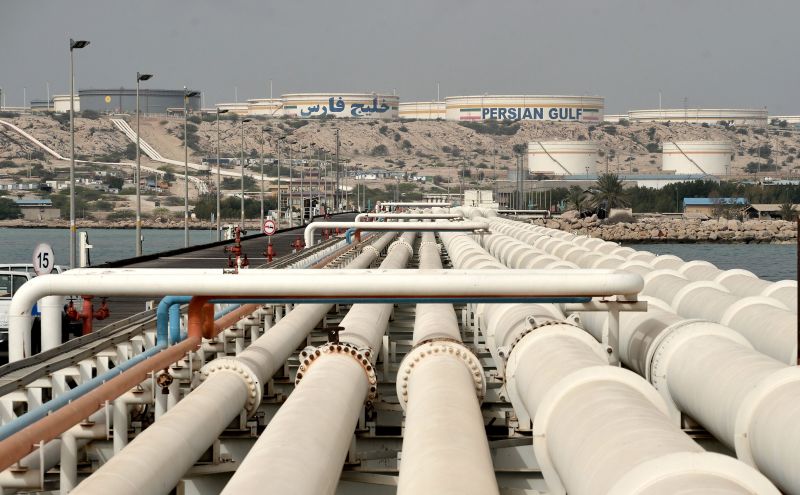
U.S. President Donald Trump has made new statements indicating he is considering the possibility of seizing Khark Island in Iran, a strategic island located in the Arabian Gulf and a key hub for Iranian oil exports. These remarks come at a time when international negotiations regarding Iran's nuclear program are ongoing, raising questions about U.S. intentions in the region.
During an interview with the Financial Times, Trump confirmed that controlling Khark Island could be an option on the table, reflecting an escalation in tensions between Washington and Tehran. Khark Island is a vital point in Iran's oil export network, through which a significant percentage of Iranian oil exports to global markets pass.
Details of the Situation
Trump's statements come at a sensitive time as major powers continue their discussions with Iran regarding a return to the 2015 nuclear agreement. Iran has expressed its willingness to return to nuclear commitments in exchange for sanctions relief, but U.S. statements could complicate these negotiations. Meanwhile, pressure is mounting on the U.S. administration from some members of Congress who are calling for a tougher stance toward Iran.
Khark Island is considered one of the most important strategic sites in the Gulf, housing oil storage and export facilities. Any U.S. move to seize it could lead to military escalation in the region and intensify tensions between the United States and Iran.
Background & Context
Historically, U.S.-Iranian relations have seen increasing tensions since the Islamic Revolution in 1979. These relations further deteriorated after the U.S. withdrawal from the nuclear agreement in 2018, leading to the imposition of severe economic sanctions on Iran. Since then, Iran has sought to enhance its military and nuclear capabilities, raising concerns among Western nations.
In recent years, the region has witnessed a rise in military activities, including attacks on oil tankers in the Gulf, which Iran has been accused of orchestrating. This context makes Trump's comments about Khark Island particularly alarming, as they could provoke military responses from Iran.
Impact & Consequences
If Trump's idea of seizing Khark Island is implemented, it could lead to significant military escalation in the region. Iran is likely to respond forcefully, potentially dragging the region into open conflict. Additionally, this move could impact global oil prices, as any disruption in oil supplies from the Gulf could lead to a substantial increase in prices.
Moreover, this action could affect U.S. relations with its allies in the region, who may view it as a violation of Iranian sovereignty. European nations, which are trying to salvage the nuclear agreement, may find themselves in a difficult position in light of this escalation.
Regional Significance
Arab countries neighboring Iran, such as Saudi Arabia and the UAE, are in a sensitive position regarding any military escalation in the Gulf. Any U.S. hostile actions against Iran could destabilize the region, affecting regional security. These countries heavily rely on stable oil prices, and any escalation could threaten their economic interests.
In conclusion, Trump's statements regarding Khark Island serve as a warning of a potential escalation in U.S.-Iranian tensions. The international community must closely monitor these developments, as any military action could radically alter the balance of power in the region.