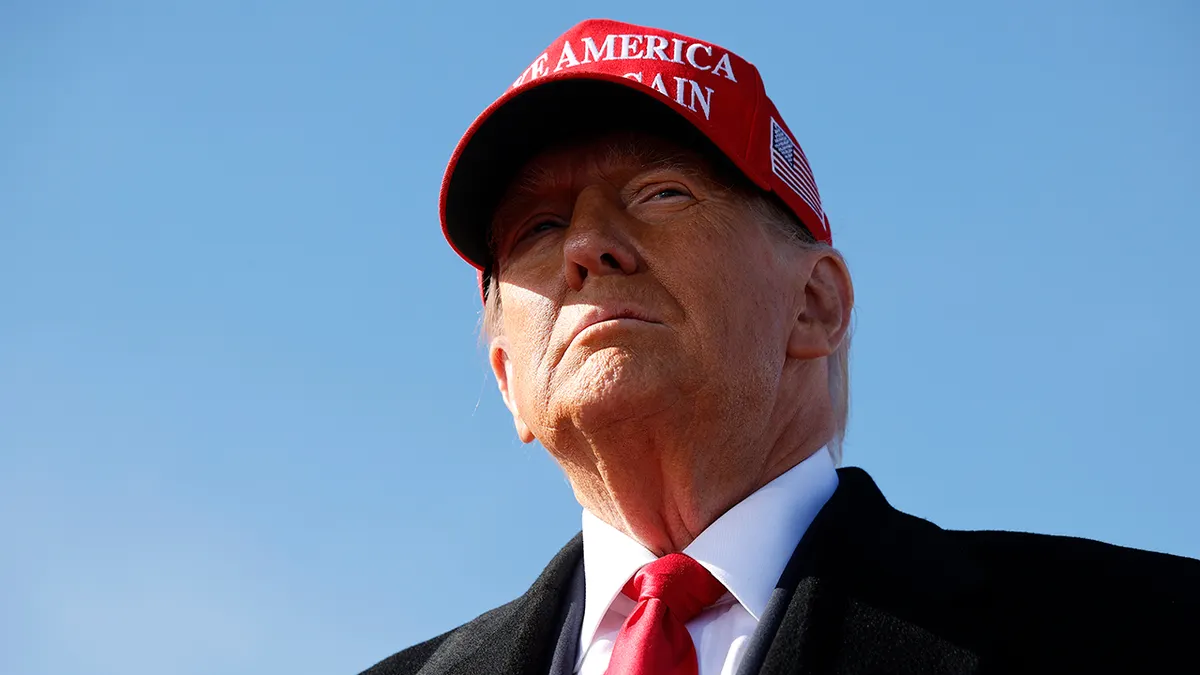
Attention is turning to former U.S. President Donald Trump, who is reportedly exploring the possibility of seizing an Iranian island, despite the apparent progress in diplomatic talks between Washington and Tehran. This controversial move could reflect the complexities of the relationship between the two nations and raise questions about Trump's future strategies.
While the current U.S. administration seeks to improve relations with Iran, Trump appears to maintain a hardline approach. This stance reflects instability in U.S. policy toward Iran and raises concerns among U.S. allies in the region.
Details of the Situation
Reports indicate that Trump is considering his options regarding Abu Musa, an island located in the Arabian Gulf that is deemed strategic. This island, disputed by Iran and the UAE, could become a new focal point for tensions in the region. This contemplation comes at a sensitive time, as Iran seeks to bolster its influence in the Gulf while the United States attempts to reassess its military and diplomatic strategy in the area.
These developments coincide with reports suggesting that diplomatic talks between Washington and Tehran have made some progress, complicating the landscape further. While Iran aims to alleviate the sanctions imposed on it, Trump seems to prefer military pressure as a means to achieve his objectives.
Background & Context
Historically, U.S.-Iranian relations have experienced significant fluctuations since the Iranian Revolution in 1979. The United States had imposed strict sanctions on Iran due to its nuclear program, exacerbating conditions in the region. These sanctions, along with military tensions, have made the relationship between the two countries one of the most complicated in the world.
In recent years, several countries, including France and Germany, have attempted to mediate talks between Washington and Tehran, but these efforts have often faced obstacles. Nevertheless, the current progress in talks may open new avenues, even though contemplating the seizure of an Iranian island could revert matters to square one.
Impact & Consequences
If Trump decides to move forward with his plan to seize the island, it could lead to a significant escalation in tensions between the United States and Iran. Iran is likely to respond forcefully, potentially leading to open military conflict in the Gulf. This scenario could significantly impact oil prices and global markets, as the Gulf is one of the most crucial shipping corridors in the world.
Moreover, this escalation could affect U.S. allies in the region, such as Saudi Arabia and the UAE, who may find themselves in a precarious position if conditions worsen. Any military escalation could also lead to an influx of refugees and increased sectarian tensions in the region.
Regional Significance
For Arab countries, the situation in the Gulf is one of the most sensitive issues. Any military escalation between the United States and Iran could destabilize countries like Iraq, Syria, and Lebanon. Arab nations may find themselves compelled to take strong stances, which could deepen divisions within the region.
Ultimately, the pressing question remains: will Trump adopt a military approach, or will he seek to support diplomatic talks? The answer to this question could determine the future of U.S.-Iranian relations and its impact on the entire region.