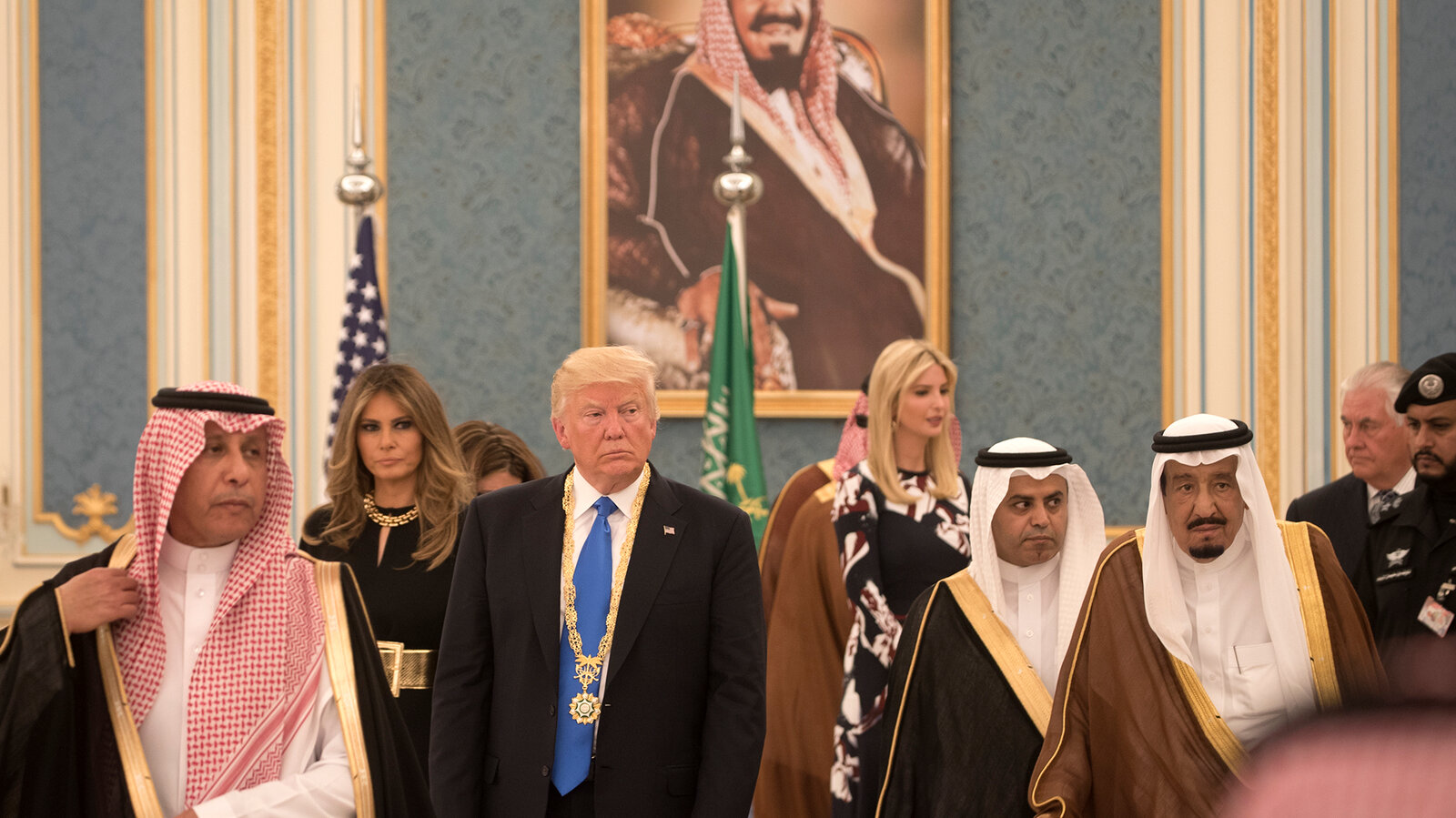
In a new escalation, U.S. President Donald Trump sharply criticized NATO allies for their stance on the Middle East war, which is widely unpopular in the United States. These remarks come at a time when transatlantic tensions are increasing, reflecting deep divisions in foreign policies.
Trump, who had previously shown support for some military operations in the region, now appears angry over the lack of support from his European allies in what he considers an unpopular war. He indicated that this war requires greater commitment from European countries, warning that the United States will not bear the burden alone.
NATO Allies' Responsibilities
During a press conference, Trump stated that NATO allies need to take on greater responsibilities, emphasizing that American support cannot be unlimited. He argued that some European countries benefit from American protection without contributing sufficiently to military efforts.
These statements come at a time when the United States is experiencing internal divisions over foreign policy, with many Americans expressing their dissatisfaction with military interventions in the Middle East, increasing pressure on the Trump administration to change its strategy.
Background & Context
Historically, transatlantic relations have relied on military and economic cooperation; however, recent years have seen increasing tensions. Since Trump took office, relations with NATO allies have noticeably deteriorated, as he has repeatedly criticized European countries for not spending enough on defense.
The war in the Middle East, which began over two decades ago, has become a contentious issue in American politics, with growing calls for the withdrawal of U.S. troops from the region. In this context, Trump's remarks are seen as a call to reassess the American role in foreign conflicts.
Impact & Consequences
The implications of Trump's remarks extend beyond relations with NATO allies, as they may affect regional stability in the Middle East. If divisions between the United States and its allies continue, this could exacerbate current crises, such as the conflict in Syria and Iraq.
Moreover, these tensions may lead to a decline in cooperation in other areas, such as counter-terrorism and climate change, undermining international efforts to address global challenges.
Regional Significance
For the Arab region, Trump's statements reflect a state of uncertainty regarding American policy towards the Middle East. Many Arab countries rely on American support for security and defense issues, and any change in this support could significantly impact the region's stability.
Additionally, the continuation of the war in the Middle East without sufficient support from NATO allies may worsen humanitarian crises, increasing the suffering of civilians in conflict areas.
In conclusion, Trump's remarks reflect a deep division in American foreign policy, raising questions about the future of transatlantic relations and their impact on security and stability in the Middle East.