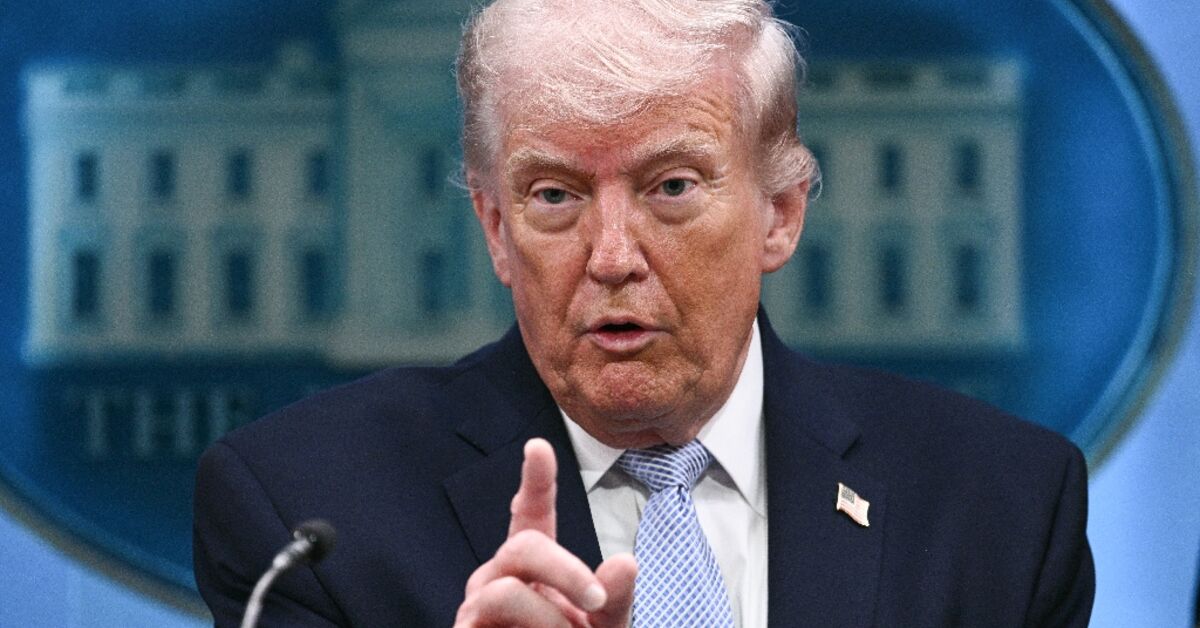
In a phone call with the French news agency AFP on Tuesday, President Donald Trump declared that the United States has achieved a 'complete victory' after reaching a two-week ceasefire agreement with Iran. Trump stated, 'Complete victory. 100 percent. No doubt about it,' following the announcement of the truce.
Despite his strong assurances, Trump did not clarify whether he would revert to his previous threats to destroy Iranian civilian facilities if the agreement collapses, simply saying, 'You'll have to wait and see what happens.'
Details of the Ceasefire Agreement
This development comes at a highly sensitive time, as U.S.-Iran relations have seen increasing tensions in recent years. The recent agreement has raised hopes for a de-escalation of conflict in the region, but concerns remain about the sustainability of this ceasefire.
The agreed ceasefire represents a significant step towards reducing tensions, yet many observers question the seriousness of both parties in adhering to its terms. Will this ceasefire succeed in achieving stability, or is it merely a temporary pause before a return to escalation?
Background & Context
Historically, U.S.-Iran relations have been strained since the Iranian Revolution in 1979. These relations escalated notably after the U.S. withdrawal from the Iranian nuclear deal in 2018, leading to the imposition of severe economic sanctions on Tehran, which significantly impacted the Iranian economy.
Impact & Consequences
This ceasefire is considered a positive step, but challenges remain. The tensions between the U.S. and Iran directly affect regional security and could lead to escalations in neighboring countries such as Iraq and Syria. Additionally, any potential collapse of the ceasefire could bring matters back to square one, increasing the risk of new conflicts.
Regional Significance
The implications of this ceasefire extend beyond the immediate parties involved. It could reshape the dynamics of power in the region and influence the relationships between major powers. The international community's reactions will be crucial in determining the future of U.S.-Iran relations and regional stability.
In conclusion, while the ceasefire presents an opportunity for dialogue and de-escalation, the path ahead is fraught with uncertainty. The commitment of both sides to uphold the agreement will be pivotal in shaping the future of peace in the region.