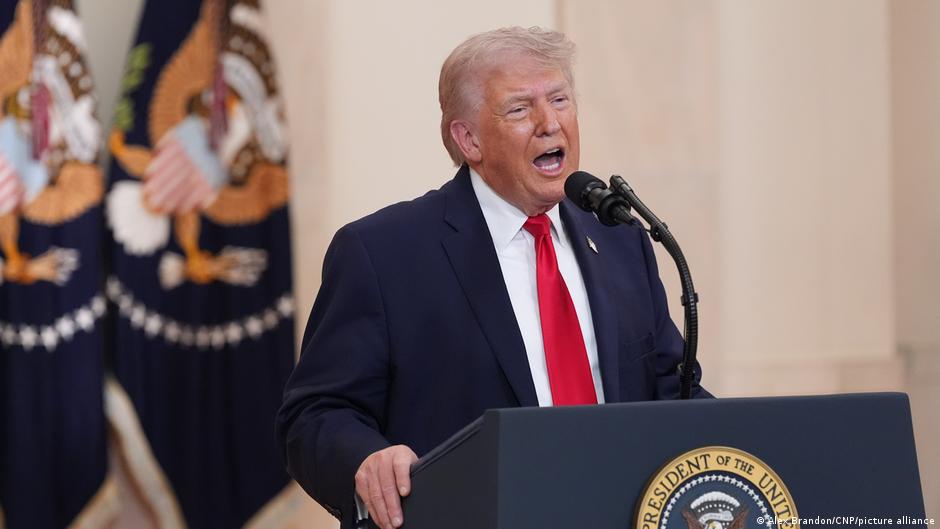
In a controversial move, U.S. President Donald Trump announced on Friday his proposal to increase defense spending to $1.5 trillion in the 2027 budget. This step comes at a time when the world is witnessing rising tensions, particularly following the outbreak of war between the United States and Israel on one side and Iran on the other.
The proposed budget includes a 40% increase in military spending, marking the most significant rise since World War II. Trump aims to enhance U.S. military capabilities, including the development of a missile defense system known as Golden Dome and increasing stockpiles of critical minerals for defense manufacturing.
Details of the Proposal
The budget also allocates $65.8 billion for the construction of 34 new combat and support ships. Trump has requested a 13% increase in the Department of Justice budget to enhance its ability to hold violent criminals accountable. At the same time, Trump seeks to maintain a high level of spending on domestic security and immigration enforcement, having allocated $2.2 billion for this purpose.
Among other proposals, there is an increase of $481 million to improve aviation safety and support the hiring of more air traffic controllers, as well as $152 million to reopen Alcatraz prison.
Background & Context
These proposals come in a complex political context, as Trump seeks to cut spending across several government departments. He has proposed cuts of up to 19% in the Department of Agriculture, 12.5% in the Department of Health, and 52% in the Environmental Protection Agency. He also aims to reduce more than $15 billion from the infrastructure law passed during Biden's administration, reflecting his inclination to trim programs he deems unnecessary.
The proposals also include the elimination of 30 programs from the Department of Justice that are believed to target the American people, in addition to cutting $315 million from the National Endowment for Democracy.
Impact & Consequences
These proposals face sharp criticism from Democrats, with Senator Jeff Merkley, chair of the budget committee, describing the proposal as a “far-fetched request for more money for weapons and bombs, and less for things people need like housing, healthcare, and education.”
On the other hand, some Republicans support the increase in military spending, arguing that it will help raise U.S. military expenditure to 5% of GDP and ensure that the U.S. military remains the most advanced in the world. Roger Wicker and Mike Rogers, chairs of the Armed Services Committees in the Senate and House, praised Trump for sending a clear signal to U.S. allies.
Regional Significance
The Arab region is directly affected by these developments, as an increase in U.S. military spending may mean more tensions in the Middle East, especially amid the ongoing conflict with Iran. Additionally, cuts to domestic programs may impact U.S. relations with Arab countries that rely on American support in various areas.
In conclusion, this proposed budget reflects the priorities of the current U.S. administration and raises questions about how it will affect U.S. foreign policy, particularly in the Middle East.