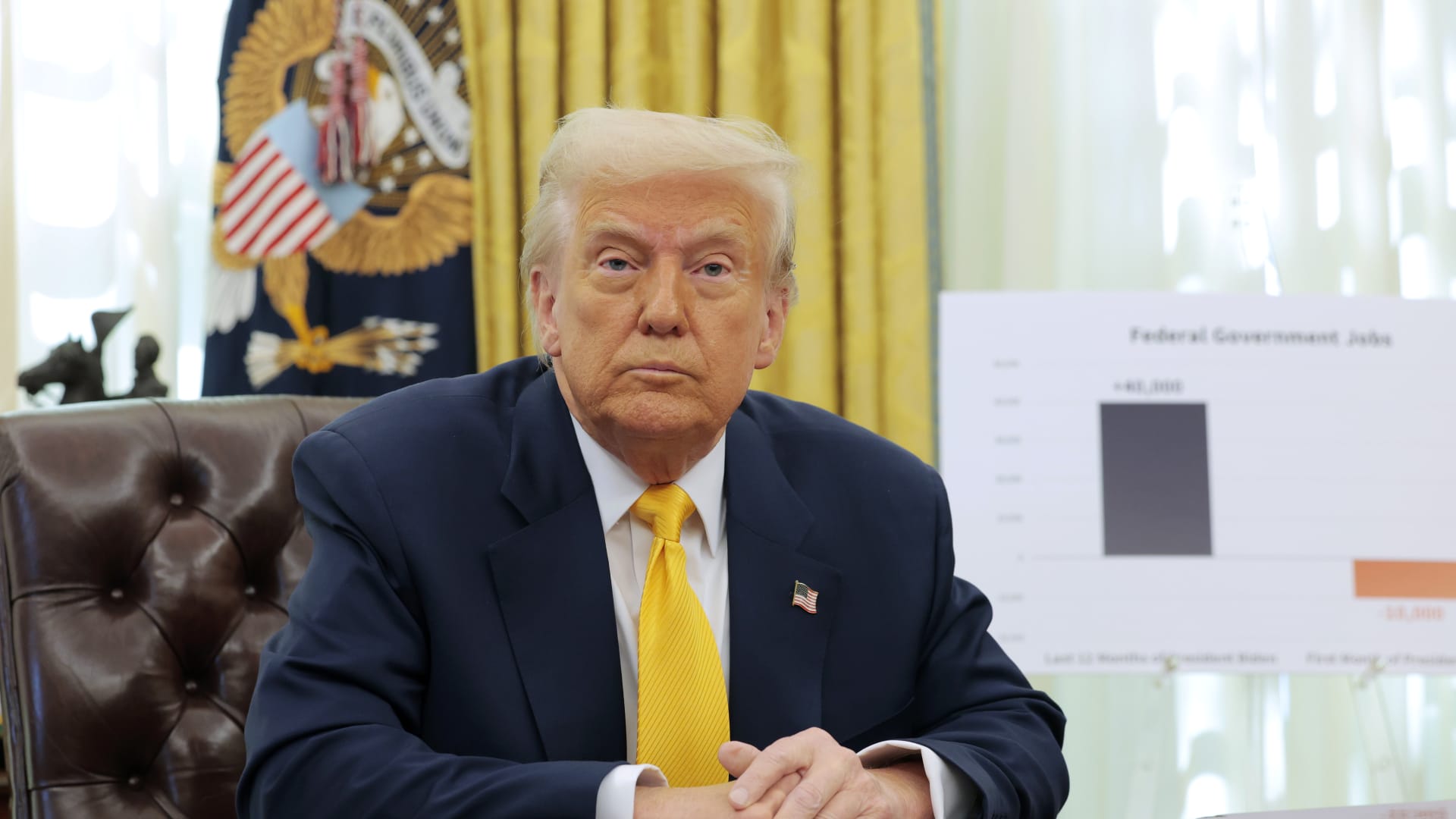
U.S. President Donald Trump announced a delay in the ultimatum he had set for Iran, threatening to destroy its electrical facilities if it did not reopen the Strait of Hormuz. This decision, made on March 23, reflects Trump's retreat from his previous warnings and indicates a de-escalation of tensions between Washington and Tehran.
In light of these developments, Trump's statements raise questions about his strategy towards Iran, especially after a series of threats he issued in recent months. Trump had previously indicated that any delay in reopening the strait would lead to severe consequences for Iran, which heightened tensions in the region.
Details of the Event
This move comes at a sensitive time, as Trump faces both internal and external pressures. With the U.S. presidential elections approaching, Trump is seeking to improve his image among voters, which may be one reason behind his retreat from military escalation. Additionally, the economic situation in the United States requires greater focus on domestic issues rather than engaging in external conflicts.
On the other hand, the Strait of Hormuz is a vital strategic point, through which approximately 20% of the world's total oil passes. Therefore, any escalation in this corridor could lead to serious economic repercussions on a global scale.
Background & Context
Historically, relations between the United States and Iran have seen increasing tensions since Trump's withdrawal from the Iran nuclear deal in 2018. Since then, Washington has imposed strict sanctions on Tehran, exacerbating the economic and social conditions in Iran.
Recent events, including attacks on oil tankers in the region, have further intensified tensions. Iran has viewed these attacks as a response to U.S. sanctions, complicating the situation even more.
Impact & Consequences
Trump's delay in his warnings may contribute to reducing tensions, but at the same time, it could be perceived as weakness by the U.S. administration. This retreat may encourage Iran to continue its current policies, potentially leading to new escalations in the future.
Moreover, this decision could affect U.S. allies in the region, who may feel concerned about Washington's ability to protect their interests. This situation could also strengthen the position of other regional powers such as Russia and China, which are seeking to enhance their influence in the area.
Regional Significance
The neighboring Arab countries to Iran, such as Saudi Arabia and the United Arab Emirates, are among the most affected by the tensions in the Strait of Hormuz. These countries heavily rely on exporting oil through this corridor, and any escalation could negatively impact their economies.
The situation in Iraq, Syria, and Lebanon may also be influenced by developments in U.S.-Iran relations. Increased Iranian influence in these countries could lead to further divisions and internal conflicts.
In conclusion, the question remains open as to how the Trump administration will handle Iran in the future. While Trump seeks to ease tensions, the risks remain, and the situation could flare up again at any moment.