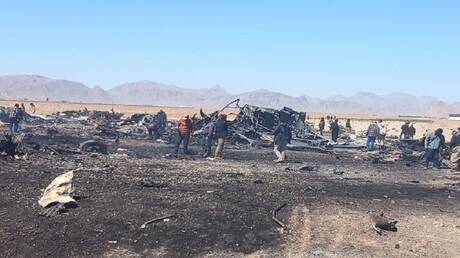
The Iranian spokesperson stated that the alleged operation to rescue the American pilot has failed, reflecting a decline in the situation for the U.S. administration. The spokesperson noted that President Donald Trump is trying to evade the repercussions of this defeat by employing psychological warfare tactics.
These statements come at a time of increasing tension between Iran and the United States, with fears of a potential military escalation rising. These developments have raised questions about the U.S. administration's ability to handle external crises amid growing internal pressures.
Details of the Event
In the context of recent events, the announcement of the attempt to rescue the American pilot was met with widespread criticism from Iranian officials. The spokesperson confirmed that this attempt was merely a desperate move by Trump to distract attention from internal problems facing his administration, including economic and social issues.
He also pointed out that these statements come at a sensitive time, as pressures on Trump are mounting due to poor performance in opinion polls, prompting him to resort to such strategies to strengthen his political position.
Background & Context
Historically, U.S.-Iran relations have been marked by ongoing tensions since the Islamic Revolution in 1979. These tensions have escalated in recent years due to economic sanctions imposed by the United States on Iran, adversely affecting the Iranian economy and exacerbating social crises.
Moreover, recent events, including attacks on Iranian oil facilities, have heightened tensions, making it difficult for both sides to reach peaceful solutions. These circumstances complicate the U.S. administration's ability to take effective steps in dealing with Iran.
Impact & Consequences
These events underscore that the U.S. administration faces significant challenges in its foreign policy, particularly regarding Iran. The failure to rescue the American pilot could have negative repercussions on the United States' image worldwide, increasing Trump's isolation on the international stage.
This failure may also encourage Iran to strengthen its position in future negotiations, making it harder for the United States to achieve its strategic objectives in the region. This could potentially lead to a military escalation, threatening regional security.
Regional Significance
These events are significant for the Arab region, as escalating tensions between Iran and the United States could impact stability in Gulf countries. Arab nations, especially those with close ties to the United States, may find themselves in a difficult position should the situation escalate into military confrontation.
Additionally, these developments could affect oil prices and financial markets in the region, heightening concerns about economic conditions. Under these circumstances, Arab countries must take proactive measures to address any potential repercussions.
In conclusion, these events reflect the substantial challenges facing the U.S. administration in its policy toward Iran, highlighting the importance of dialogue and negotiation as means to avoid military escalation.