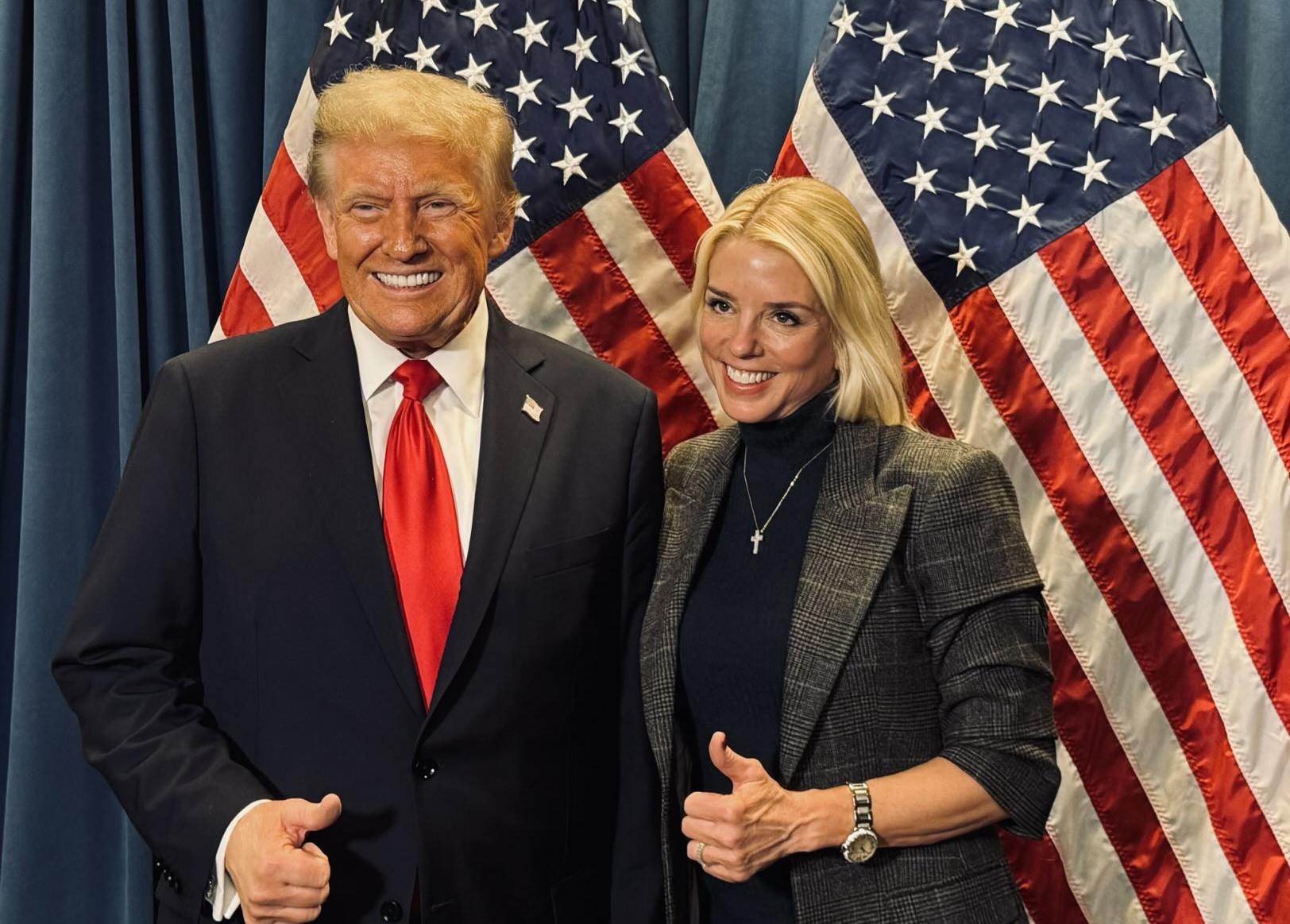
Former President Donald Trump has dismissed his advisor Pam Bondi, a move that has sparked considerable controversy regarding the impact of her previous statements on the stock market. Bondi had previously stated that the Dow Jones would exceed 50,000, which had excited investors at the time. However, the actual performance of the markets since those statements has not aligned with her expectations.
This dismissal comes at a sensitive time, as the American stock market is experiencing significant fluctuations, raising questions about the extent to which political statements influence investor decisions. Given the current economic conditions, it appears that optimistic forecasts are no longer convincing investors.
Details of the Dismissal
In the context of the dismissal, many analysts pointed out that Bondi's statements were based on excessive optimism, as there were no actual indicators to support her predictions regarding the Dow Jones rising to such a level. The markets have suffered a noticeable decline following those statements, leading to a loss of confidence in some economic advisors.
It is noteworthy that Pam Bondi was one of the prominent figures in the Trump administration, having served as the Attorney General of Florida. However, her dismissal may reflect Trump's dissatisfaction with the overall performance of his economic team, especially in light of the challenging economic conditions facing the country.
Background & Context
Historically, the American stock market has experienced significant fluctuations over the years, influenced by various economic and political factors. In recent years, there has been a strong focus on the performance of the Dow Jones, which is considered one of the leading stock indices in the United States. However, optimistic forecasts issued by some political figures may not always reflect reality.
In past years, we have witnessed numerous exaggerated statements from government officials, which have sometimes led to negative reactions from investors. Therefore, Bondi's statements about the Dow Jones rising to 50,000 may be one of those cases that reflect the gap between politics and economics.
Impact & Consequences
The recent dismissal of Pam Bondi demonstrates an urgent need to reassess economic strategies in light of current conditions. With increasing economic pressures, the incoming administration may need to focus on providing realistic forecasts to investors rather than optimistic statements that could lead to a loss of confidence.
Moreover, these events may affect how markets respond to political statements in the future. Investors have become more cautious, seeking clear signals from the administration regarding future economic policies.
Regional Significance
In light of these developments, events in the United States may have indirect effects on financial markets in the Arab region. Fluctuations in the American market could impact Arab investments, especially given the significant reliance on global markets.
Furthermore, statements from American officials regarding the economy may affect confidence in Arab markets, prompting Arab investors to make informed decisions. Thus, monitoring events in the United States has become essential for investors in the region.
In conclusion, Pam Bondi's dismissal illustrates the close relationship between politics and economics, and how unconsidered statements can lead to negative repercussions on markets. Therefore, officials should be more cautious in their statements, especially during times of economic turmoil.