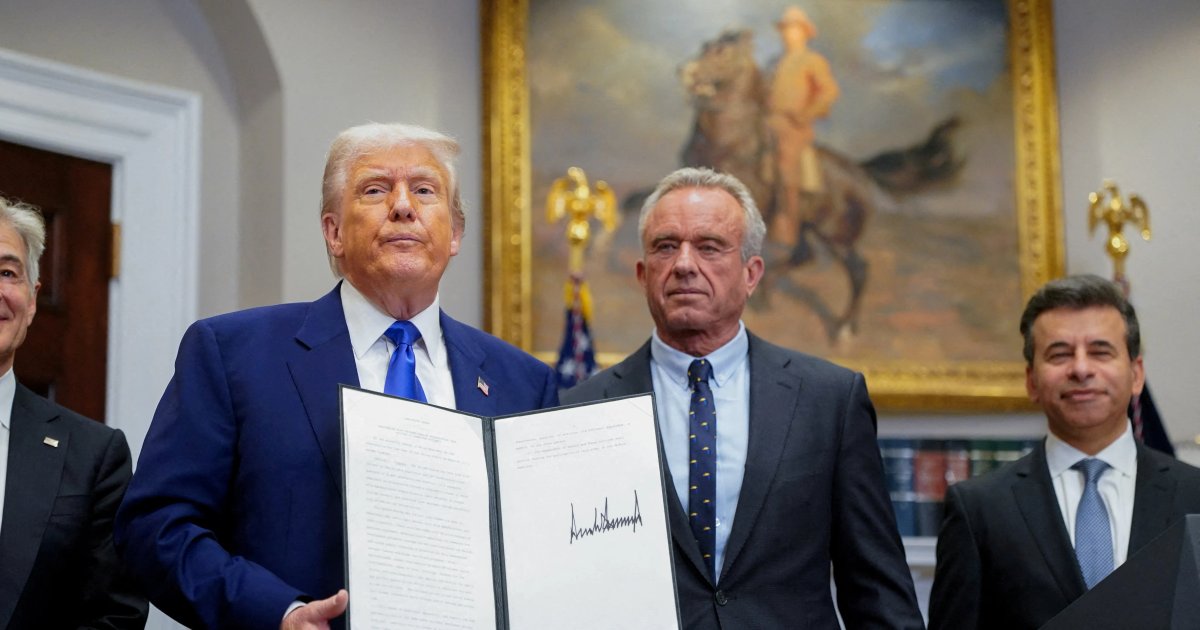
In a controversial step, President Donald Trump announced new tariffs on imported drugs, alongside adjustments to metal fees, following a year of celebrations for 'Liberation Day.' This move is part of the U.S. administration's efforts to boost the national economy and reduce reliance on imports.
The new tariffs include an increase in taxes imposed on imported drugs, which could significantly impact prices in the U.S. market. Additionally, the adjustments to metal fees reflect the administration's direction towards protecting domestic industries.
Details of the Announcement
Trump stated that the new drug tariffs aim to reduce drug costs for American citizens, noting that high prices for imported drugs represent a burden on American families. He also clarified that the adjustment of metal fees is intended to support local industries and enhance the competitiveness of American products in global markets.
This announcement comes a year after 'Liberation Day,' a day that witnessed significant changes in U.S. trade policy, including the cancellation of numerous previous trade agreements. This direction has drawn widespread criticism from some companies and economic analysts who believe these policies may lead to increased prices and reduced options for consumers.
Background & Context
Historically, the United States has seen significant changes in its trade policies since Trump took office. The U.S. administration has taken bold steps to impose tariffs on imports from several countries, including China, in an attempt to protect domestic industries and bolster the national economy. These policies have affected trade relations with many countries, leading to escalating trade tensions.
In recent years, there have been increasing calls from American citizens to reduce drug costs, as prices have risen significantly. The U.S. administration has attempted to address this issue by imposing new tariffs, hoping to lead to lower prices in the market.
Impact & Consequences
The new tariffs on drugs are expected to lead to price increases in the U.S. market, which may affect the purchasing power of citizens. Furthermore, the adjustment of metal fees could impact industries that rely on these materials, potentially increasing costs for both companies and consumers.
Some reports warn that these policies may provoke negative reactions from other countries, which could heighten trade tensions and affect international relations. There are also concerns that these policies might lead to a decrease in foreign investments in the United States, negatively impacting economic growth.
Regional Significance
U.S. trade policies have a significant impact on the global economy, including Arab countries. The increase in tariffs on drugs may affect Arab companies that import drugs from the United States, potentially leading to price increases in the Arab market.
Moreover, the adjustment of metal fees could impact Arab countries that rely on exporting metals to the United States, affecting local economies. Under these circumstances, Arab countries need to monitor developments in U.S. trade policy and adapt to potential changes.
In conclusion, U.S. trade policies remain under scrutiny, as these steps are expected to affect both the American and global economies, necessitating other countries to take appropriate measures to adapt to these changes.