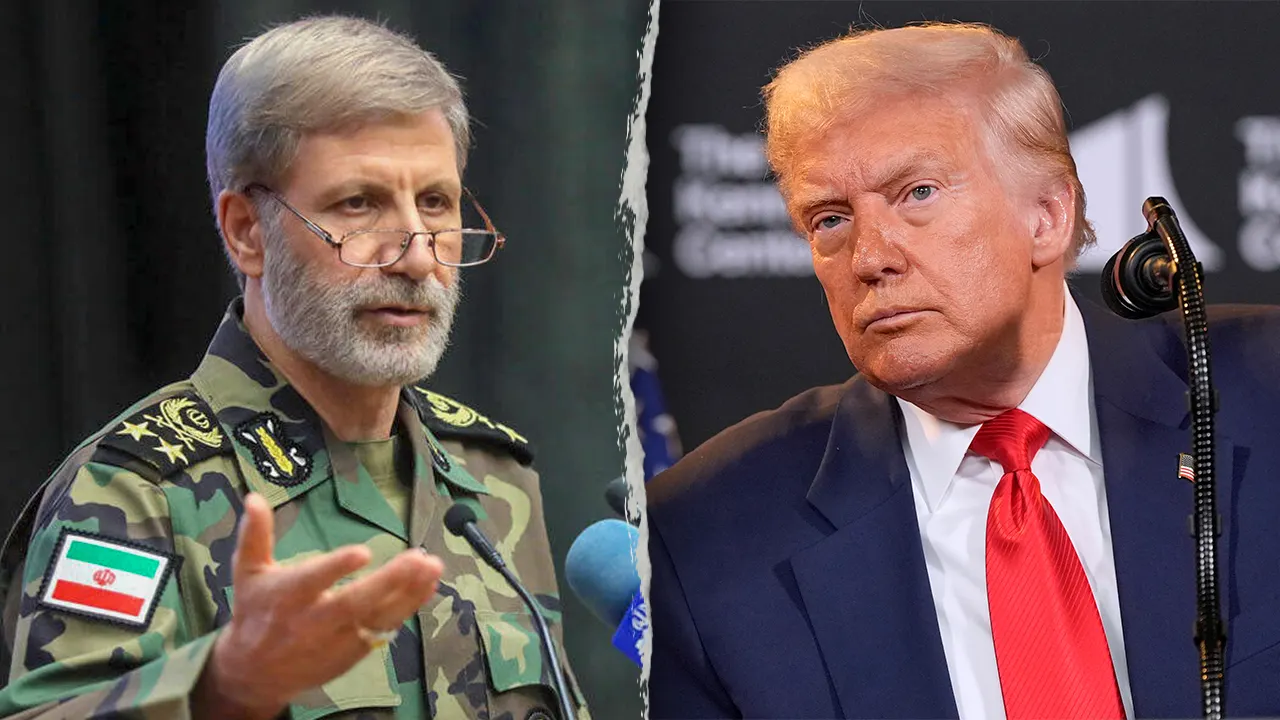
Former U.S. President Donald Trump announced that if Iran wishes to communicate, it can call the United States for phone discussions. These remarks come at a critical time of rising tensions between the two countries, with increasing concerns over the potential escalation of conflict in the Middle East.
Trump, who adopted a hardline stance towards Iran during his presidency, indicated that direct communication could be a means to ease tensions. This statement follows a period of heightened rhetoric between both sides, raising fears of a possible military confrontation.
Details of the Event
During a television interview, Trump confirmed that the United States is open to dialogue with Iran, suggesting that a phone call could be an effective means of communication. This statement elicited mixed reactions, with some viewing it as a positive step towards de-escalation, while others considered it mere political rhetoric that does not reflect a genuine intention to negotiate.
Trump's remarks come at a time when pressures on Iran are increasing due to its nuclear program, which has raised alarms in the international community. Additionally, the sanctions imposed on Iran have led to a deterioration of the Iranian economy, further amplifying the need for dialogue.
Background & Context
The history of U.S.-Iranian relations is fraught with tensions, having witnessed numerous crises over the past decades. Since the Iranian Revolution in 1979, relations between the two countries have increasingly soured, especially following the U.S. withdrawal from the nuclear agreement in 2018.
Iran seeks to bolster its regional position while the United States continues to apply pressure through sanctions. In this context, direct dialogue is seen as a potential step that could help alleviate tensions, although doubts remain regarding the intentions of both parties.
Impact & Consequences
If Iran responds positively to Trump's invitation, it could lead to the opening of new channels for communication, potentially contributing to a reduction in tensions. However, the question remains whether Iran will accept this offer, particularly under the current circumstances.
These statements indicate a possibility of reconsidering U.S. policies towards Iran, which could have broader implications for regional relations. Should talks occur, they could significantly impact security and stability in the Middle East.
Regional Significance
U.S.-Iranian relations are pivotal in shaping the political landscape of the Middle East. Any improvement in relations could positively affect neighboring Arab countries, which are suffering from the repercussions of regional conflicts.
Conversely, any escalation in tensions could lead to increased instability in the region, affecting the national security of Arab states. Therefore, direct dialogue between the United States and Iran could have far-reaching effects on the overall situation in the region.
In light of the current circumstances, hope remains for the possibility of achieving peaceful solutions through dialogue. Trump's statements may pave the way for new discussions, but the actual implementation depends on the intentions of both parties.