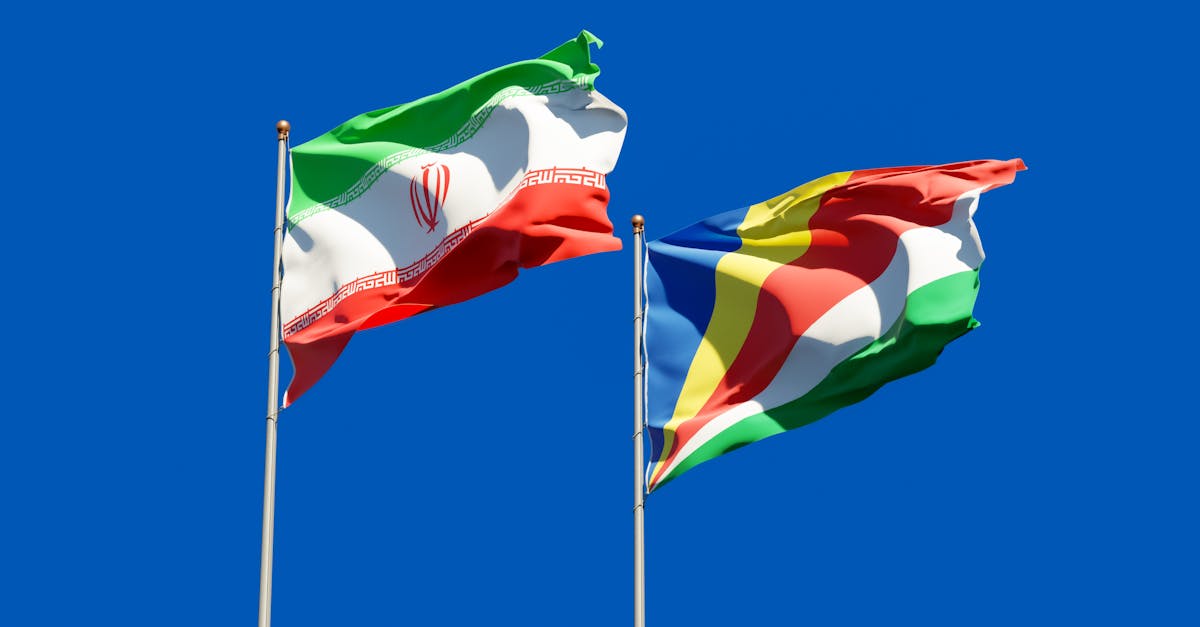
The White House has confirmed that President Donald Trump's harsh rhetoric was instrumental in reaching a deal with Iran, marking a significant shift in the political dynamics between the two nations. This agreement comes at a time when regional tensions are escalating, reflecting the parties' desire to find peaceful solutions to current crises.
Trump, known for his strong and provocative speeches, used a direct approach in his conversation with Iran, prompting the latter to reassess its stance. This shift in US rhetoric may have far-reaching effects on US-Iran relations, as well as regional stability in the Middle East.
Event Details
During a press conference, the White House spokesperson confirmed that Trump's strong statements served as a warning to Tehran, prompting it to reevaluate its strategy. This agreement may pave the way for further discussions on other issues, such as Iran's nuclear program.
The US administration hopes that this agreement will lead to a reduction in regional tensions and be a step towards achieving lasting peace. The agreement includes provisions related to reducing Iran's nuclear activities in exchange for easing sanctions.
Background & Context
The history of US-Iran relations is marked by tensions and conflicts, with the past decades witnessing numerous crises. Since the 1979 Iranian Revolution, relations between the two nations have become increasingly strained, leading to the imposition of severe economic sanctions on Iran.
In recent years, these relations have become even more complex, particularly following the US withdrawal from the nuclear deal in 2018. This withdrawal led to an escalation of tensions, making it challenging to reach any new agreements. However, the current circumstances seem to offer a new opportunity for negotiation.
Impact & Consequences
This potential agreement may have a significant impact on regional and international policies. If implemented, it could lead to the easing of sanctions on Iran, allowing it to regain some of its economic vitality. This agreement may also encourage other countries in the region to reassess their relations with Iran.
Furthermore, this development may lead to a change in the stance of European countries seeking to maintain the nuclear deal. If Trump succeeds in making progress with Iran, it may bolster his position domestically and increase his popularity.
Regional Significance
For the Arab region, this agreement may have multiple effects. Iran plays a significant role in several regional conflicts, including those in Iraq, Syria, and Lebanon. If sanctions are eased, it may increase its influence in these areas.
On the other hand, Gulf Arab states may feel concerned about any rapprochement between the US and Iran, fearing it may strengthen Iran's position in the region. Therefore, it is essential to monitor the reactions of these countries to the potential agreement.
In conclusion, this agreement appears to represent a turning point in US-Iran relations, highlighting the importance of political rhetoric in shaping international policies. The international community must closely follow developments, as any changes in these dynamics may affect regional and global stability.