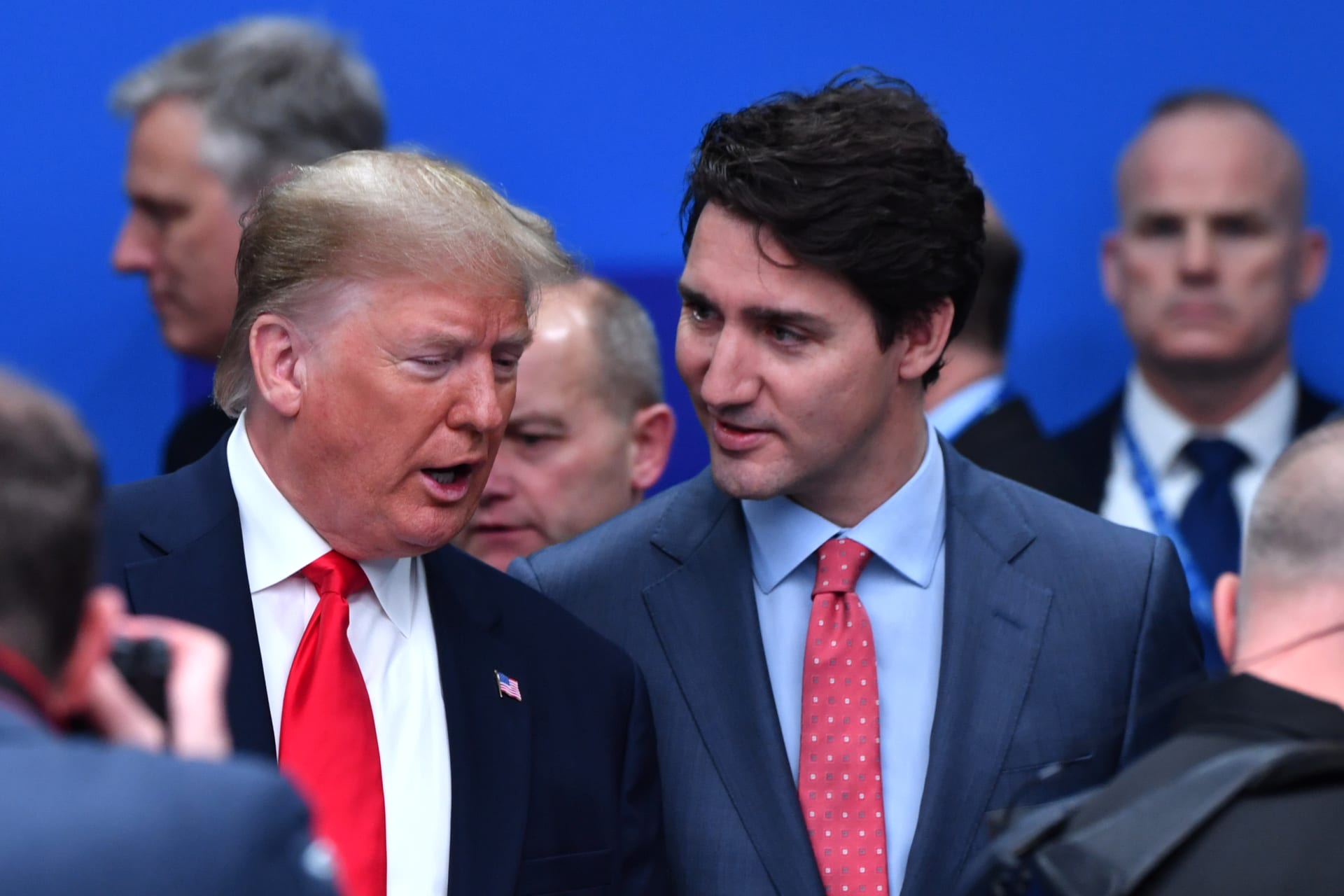
U.S. President Donald Trump has mocked British Prime Minister Keir Starmer for his stance on Iran, criticizing Starmer for not joining military actions against Tehran. These remarks come at a time when relations between the United States and Britain are experiencing new tensions, particularly in light of escalating international crises.
Trump had previously referred to Starmer as a friend, but the latter's recent position on Iran prompted Trump to launch sharp criticisms. Trump stated, "What if he yelled at me?" reflecting his dissatisfaction with Starmer's stance.
Details of the Incident
This mockery comes at a sensitive time as tensions between the United States and Iran escalate, following a series of events that include attacks on oil facilities in the Gulf. The British government has taken a cautious stance, deciding not to join the U.S.-led military coalition against Iran, which has displeased Trump.
Starmer's position is seen as an expression of a more balanced foreign policy, aiming to avoid military escalation in the Middle East. However, Trump, who tends to favor military force as a means to resolve conflicts, views this stance as a weakness.
Background & Context
Historically, relations between the United States and Britain have been strong, with both countries being key allies in numerous military conflicts. However, in recent years, these relations have experienced some strains, particularly following Britain's exit from the European Union and the shifts in U.S. policies under Trump's administration.
Iran, which the United States considers a threat to regional security, has seen tensions escalate since Trump withdrew from the nuclear agreement in 2018. Since then, pressures on Tehran have increased, leading to heightened crises in the region.
Impact & Consequences
Trump's recent statements illustrate how U.S. policies can affect international relations, especially with traditional allies. If pressures on Starmer continue, he may need to reassess his position on Iran, which could impact British foreign policy overall.
These remarks could also exacerbate tensions between the United States and its European allies, who are seeking a more diplomatic approach to dealing with Iran. At the same time, Iran may exploit these tensions to bolster its position in the region.
Regional Significance
The tensions between the United States and Iran have a direct impact on the Arab region, where Iran plays a significant role in various regional conflicts. Any military escalation could destabilize countries like Iraq, Syria, and Lebanon, where Iranian-backed militias are present.
Moreover, Britain's stance could influence Arab countries that are trying to balance their relations with both the United States and Iran. Under these circumstances, Arab nations must be cautious in their positions, as any escalation could lead to unforeseen repercussions.
In conclusion, Trump's recent remarks reflect the increasing tensions in international relations and highlight the challenges countries face in taking clear positions amid multiple crises. As nations strive for stability, the question remains: how will these tensions affect the future of international relations in the region?