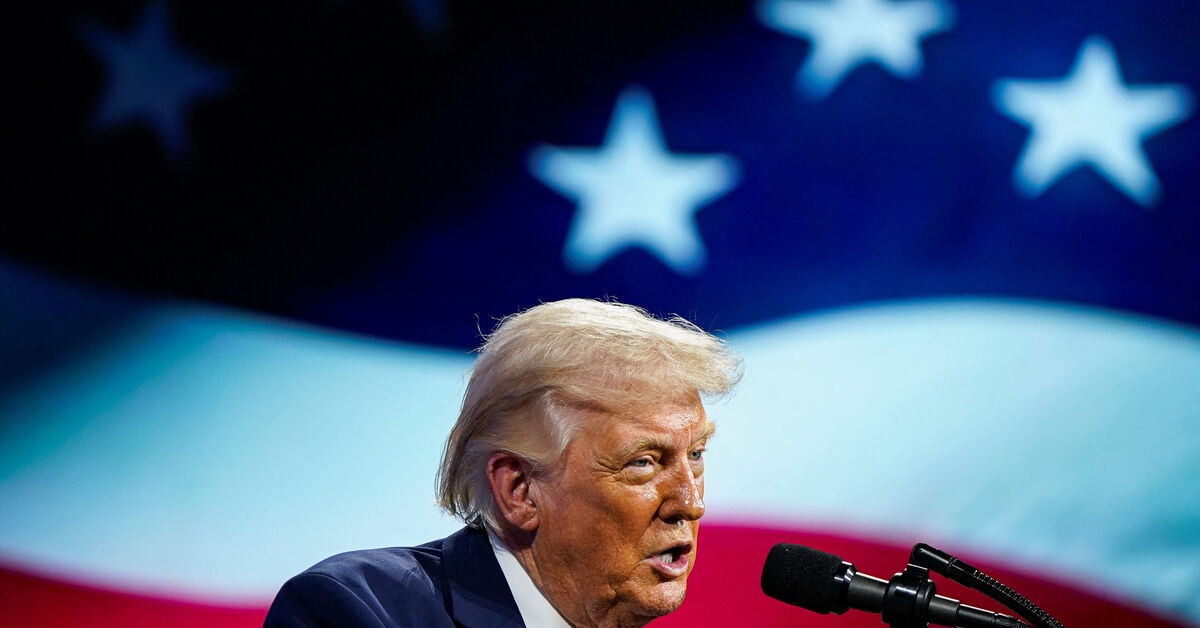
In a controversial statement, President Donald Trump confirmed during an investment forum in Miami on Friday that the United States does not "need to be part of NATO." These remarks once again reflect doubts about Trump's commitment to collective defense, which is one of the fundamental principles of the transatlantic alliance.
Trump expressed his frustration over the refusal of European NATO member countries to provide material support to the United States, as the war the US is waging against Iran approaches its fourth week. These statements have elicited mixed reactions from European leaders, who view NATO as a cornerstone of European security.
Details of the Event
Trump's statements come at a sensitive time, as fears of escalating tensions in the Middle East increase. Following the outbreak of war against Iran, it was expected that NATO member countries would show solidarity with the United States, but Trump expressed disappointment over the lack of sufficient support.
Historically, NATO has formed a strong military alliance that guarantees the collective security of its members, stipulating that any attack on one member is considered an attack on all. However, Trump's remarks reflect a new direction that could impact security stability in the region.
Background & Context
NATO was established in 1949 in response to the tensions that arose after World War II, with the primary goal of countering Soviet threats. Over time, the alliance has evolved to encompass a wide range of security issues, including counter-terrorism and cybersecurity.
However, in recent years, there has been a decline in American commitment to the alliance, especially during Trump's previous presidency. Trump criticized European countries for not spending enough on defense, raising concerns among allies about the future of military cooperation.
Impact & Consequences
Trump's statements may lead to increased divisions within NATO, as European countries may feel anxious about their ability to rely on the United States in future crises. This trend could also bolster the position of anti-Western countries, such as Russia, which may see this as an opportunity to expand their influence.
Furthermore, these remarks could affect American relations with its traditional allies, potentially leading to a reassessment of defense and security strategies in Europe.
Regional Significance
In the context of ongoing events, Trump's statements may impact the situation in the Middle East, where the United States is considered a key player. If the US continues to reduce its commitments to NATO, it could lead to increased tensions in areas such as the Arabian Gulf, where American forces are heavily present.
Moreover, the instability of NATO could negatively reflect on Arab countries that rely on American military and political support, potentially altering the balance of power in the region.
In conclusion, Trump's remarks about NATO raise serious questions about the future of military alliances in the world, especially amid increasing tensions in the Middle East. As the war against Iran continues, the question remains regarding the readiness of European countries to support the United States in these critical times.