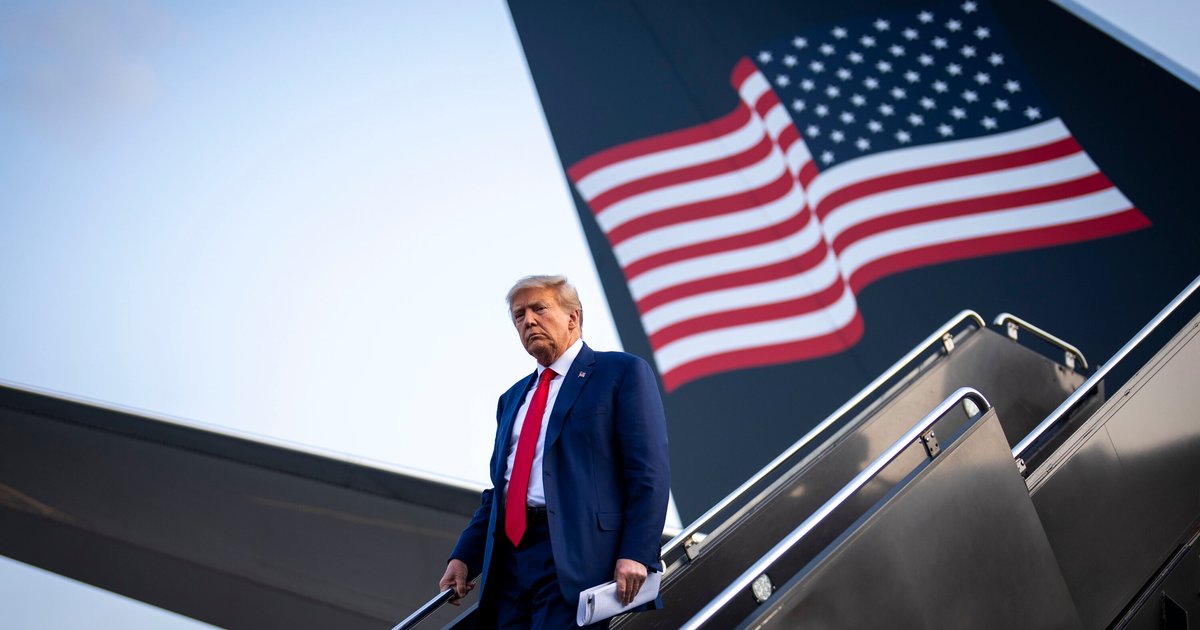
Rumors are intensifying regarding former President Donald Trump's aspirations for a political legacy, as the idea of continuity in governance appears to dominate his thoughts. This speculation arises at a critical time as the Republican Party prepares for pivotal elections that may determine the future of American politics.
All eyes are on Trump, a central figure in the party, as he seeks to bolster his influence by supporting candidates close to him. This approach could contribute to reshaping the Republican Party, stirring various concerns and aspirations among voters.
Event Details
Amid the political and economic challenges facing the United States, Trump seems focused on building a strong support base that extends beyond his presidency. Reports indicate that he aims to present candidates who embrace his political vision, reflecting his desire to maintain his influence within the party.
This direction may open the door to internal conflicts within the Republican Party, as Trump-backed candidates might compete against others seeking to offer new perspectives. This dynamic could lead to deep divisions within the party, potentially affecting their chances in the upcoming elections.
Background & Context
Historically, the United States has witnessed numerous instances of political legacies, where some leaders have sought to enhance their influence by supporting family members or allies. Trump is not the first in this context, but his unique style of politics may change the game.
The upcoming American elections will serve as a true test of Trump's success in achieving his goals. In recent years, the Republican Party has shifted to the right, which may enhance Trump's chances of influencing election outcomes.
Impact & Consequences
If Trump succeeds in implementing his plans, it could strengthen his authority within the Republican Party, potentially altering the nature of American politics. This trend may contribute to heightened political divisions and increase tensions among different parties.
Moreover, these dynamics could affect U.S. foreign policy, as the next administration might adopt more hardline or isolationist policies, impacting relations with other countries.
Regional Significance
In light of these developments, U.S. policy may have direct implications for the Arab region. Changes in American foreign policy could affect relations with Arab countries, especially amidst ongoing tensions in the Middle East.
It is crucial for Arab nations to closely monitor these developments, as they may influence their political and economic strategies in the future.
In conclusion, the future of American politics appears complex, and current trends may reshape the political landscape. It remains to be seen how various political forces will interact with these new dynamics.