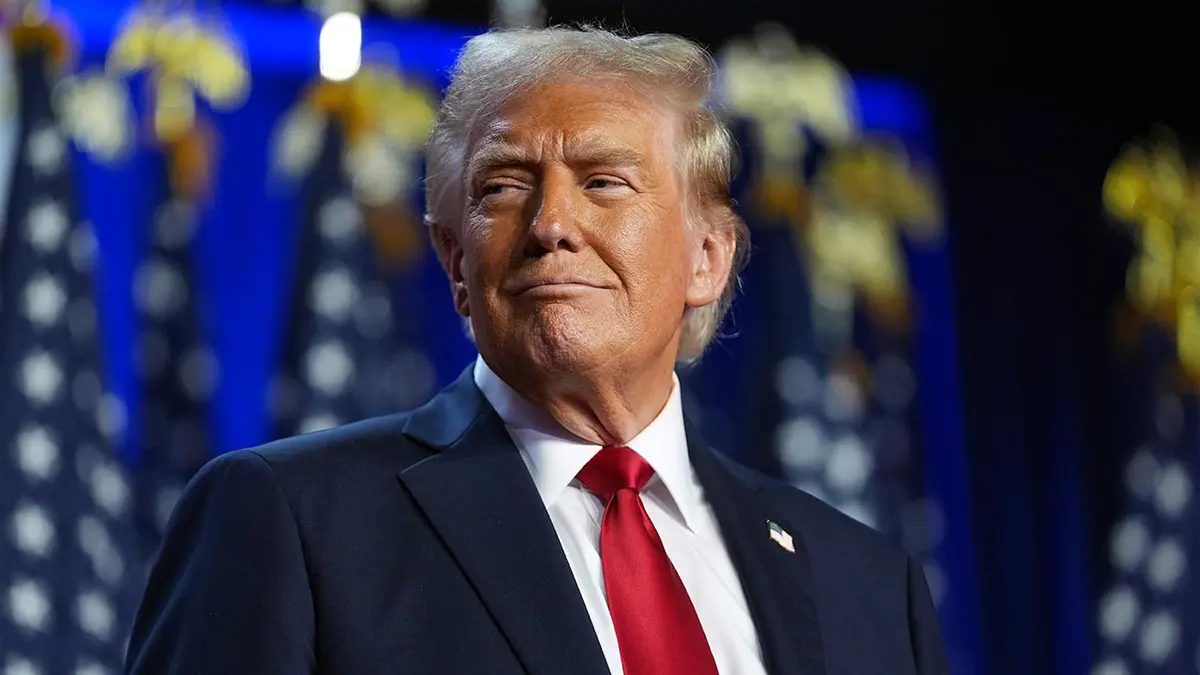
In a new move reflecting the escalating tensions in the Gulf region, U.S. President Donald Trump announced on Monday that he prefers the United States to be the entity imposing fees on ships crossing the Strait of Hormuz rather than Iran. This statement was made in response to journalists' questions regarding the possibility of Iran imposing transit fees on vessels.
Trump stated, "What if we were the ones collecting the fees? I think it would be better for us to do that instead of them." These remarks come at a sensitive time as fears grow over rising tensions between the United States and Iran, especially following recent events in the region.
Details of the Event
At the end of March, Aladdin Boroujerdi, a member of the Iranian Parliament's National Security and Foreign Policy Committee, stated that Iran plans to establish new navigation rules in the Strait of Hormuz. According to these rules, Tehran would ensure the safety of navigation for ships but would impose fees for their passage. Boroujerdi also indicated that no ship would be allowed to transit without obtaining permission from Iran.
This escalation in rhetoric follows the joint attacks carried out by the United States and Israel on Iran on February 28, which resulted in significant damage to Iranian infrastructure and civilian casualties. Tehran responded to these attacks by launching strikes on Israeli sites and U.S. military bases in several countries across the Middle East, further intensifying regional tensions.
Background & Context
Historically, the Strait of Hormuz is considered a vital strategic point, through which approximately 20% of global oil supplies pass. Any escalation in tensions in this area could significantly impact global oil prices and market stability. In recent years, the region has witnessed several crises due to political and military conflicts, making it a focal point for global attention.
Iran is one of the key countries controlling this strait and has previously used this influence to pressure other nations. However, increasing American threats may complicate Iran's ability to fully assert control over navigation in the area.
Impact & Consequences
Trump's statements carry significant implications for international relations, as they could lead to greater escalation in the conflict between the United States and Iran. If the U.S. decides to impose fees on ship transits, it may provoke a strong Iranian response, further heightening tensions in the region.
Moreover, any escalation in the Strait of Hormuz could affect global oil prices, potentially leading to price increases due to heightened risks to oil supplies. This situation could negatively impact the global economy, especially amid the economic crises facing many countries.
Regional Significance
The Arab countries neighboring the Strait of Hormuz, such as Saudi Arabia and the UAE, are among the most affected by tensions in this area. Any escalation in the conflict could impact the stability of these nations and increase security risks in the region.
Additionally, rising oil prices resulting from tensions could affect the economies of these countries, necessitating new strategies to address these challenges. Under these circumstances, there remains hope that the involved parties can reach peaceful solutions to avoid further escalation.