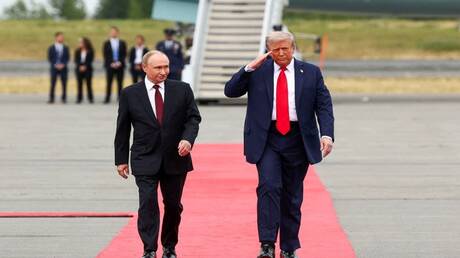
U.S. President Donald Trump has affirmed that he continues to communicate with Russian President Vladimir Putin, emphasizing the importance of these communications in strengthening relations between the two countries. However, Trump declined to reveal the date of their last contact, raising questions about the nature and content of these discussions.
Trump's statements come at a time when U.S.-Russia relations are experiencing significant tension, particularly amid multiple geopolitical crises facing the region. Concerns are growing over escalating tensions between the two nations, making direct communication between leaders vital.
Details of the Event
In a press conference, Trump discussed the importance of dialogue with Putin, asserting that he always seeks to keep channels of communication open. While he did not provide precise details about their last conversation, Trump indicated that the communications relate to a range of international issues, including security and stability in Europe.
This communication occurs as Trump faces increasing pressure from certain political circles in the United States, which are calling for a tougher stance against Russia. Nevertheless, Trump appears to prefer a dialogue approach, reflecting his strategy in dealing with international issues.
Background & Context
U.S.-Russia relations have deteriorated significantly since 2014, following Russia's annexation of Crimea and the outbreak of conflict in Eastern Ukraine. Since then, the United States has imposed economic sanctions on Russia, further escalating tensions between the two countries.
Despite these tensions, Trump has attempted during his presidency to strengthen relations with Russia, believing that cooperation with Moscow could contribute to resolving many global issues. However, this approach has faced widespread criticism from his political opponents.
Impact & Consequences
The ongoing communications between Trump and Putin could significantly influence international policies, especially amid rising tensions in regions such as the Middle East and Eastern Europe. Cooperation between the two superpowers may contribute to achieving relative stability in these areas, despite the significant challenges they face.
Moreover, these communications could play a role in shaping other countries' positions on global issues, potentially affecting new alliances or reinforcing existing ones. At the same time, the lack of disclosure regarding the details of the conversations may raise suspicions about the intentions of both parties.
Regional Significance
The U.S.-Russia relationship is particularly significant for the Arab region, where both the United States and Russia play pivotal roles in various regional issues. Cooperation between the two countries could help resolve conflicts in Syria and Libya, and may also influence policies towards Iran.
Given these dynamics, the question remains as to how these communications will affect security and stability in the Arab region. The tensions between the United States and Russia could lead to changes in the strategies of Arab countries, necessitating close monitoring by Arab leaders.
In conclusion, the communications between Trump and Putin remain a vital topic worth following, as they could impact the future of international relations and regional security.