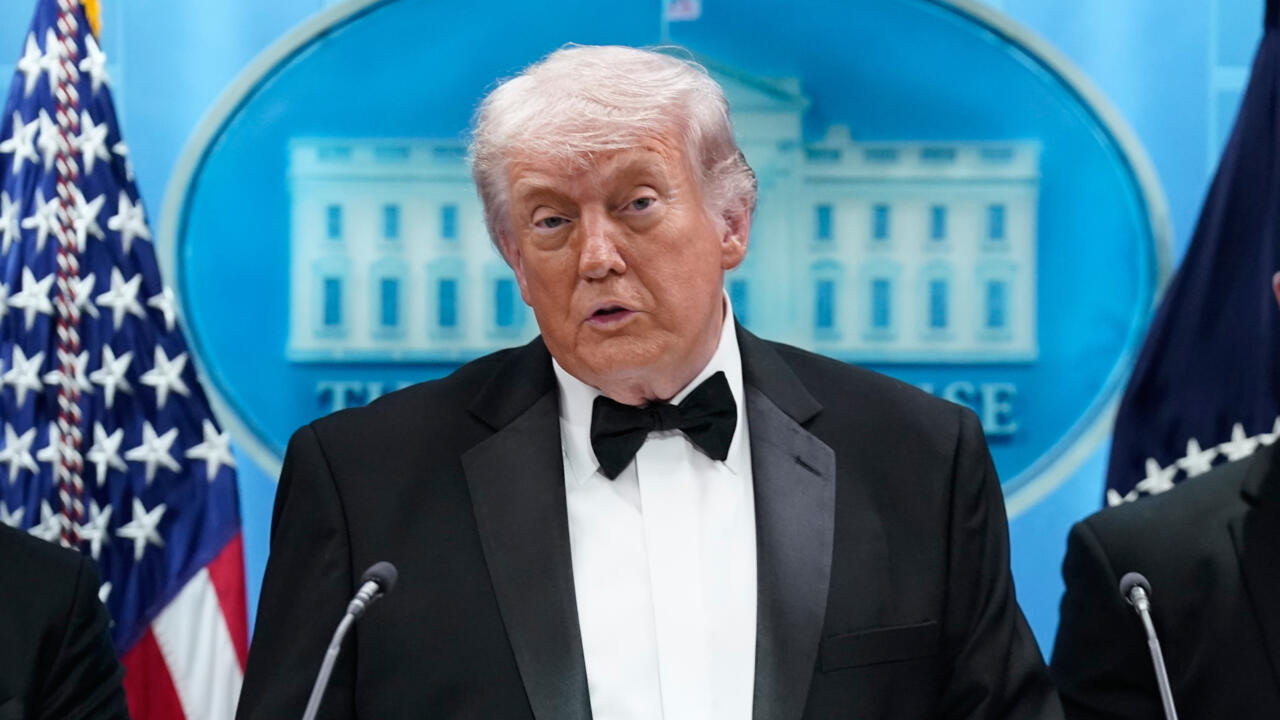
In a recent statement reflecting the escalating tensions in the Middle East, an American official confirmed on Tuesday that President Donald Trump is not impressed with Iran's latest offer, indicating that it does not adequately address the Iranian nuclear program. This statement comes at a time when the region is witnessing an escalation in military actions, complicating the political and economic landscape.
At the same time, the United Arab Emirates announced its withdrawal from the Organization of the Petroleum Exporting Countries (OPEC) and the OPEC+ alliance effective May 1. This decision comes at a highly sensitive time, as the war on Iran is causing a historic shock in energy markets and destabilizing the global economy.
Details of the Event
During a meeting of the independent authority managing the Panama Canal, CFO Victor Vial noted that a potential war between the United States and Iran could lead to increased shipping traffic through the canal. He confirmed that this situation is expected to continue until the crisis in the Middle East is resolved, reflecting international concern over rising tensions.
On another front, reports indicate that Israeli airstrikes on Lebanon resulted in the deaths of eight individuals, including three civil defense personnel. This comes as the Israeli military announced the discovery of a vast network of tunnels belonging to Hezbollah in southern Lebanon, further complicating the security situation in the region.
Background & Context
Tensions between the United States and Iran have continued since Washington's withdrawal from the nuclear agreement in 2018, which aimed to limit Iran's nuclear program. Since then, the United States has imposed stringent economic sanctions on Iran, exacerbating the economic and social conditions in the country.
In this context, Trump criticized German Chancellor Friedrich Merz, who deemed it acceptable for Iran to possess nuclear weapons. Trump expressed his displeasure with Merz's statements on the social media platform Truth Social, reflecting the international divide on how to handle the Iranian issue.
Impact & Consequences
Concerns are growing that escalating tensions between the United States and Iran could lead to an all-out war in the region, which would have negative repercussions for the global economy. The new American sanctions targeting 35 entities and individuals within the Iranian banking system indicate that Washington is determined to pressure Tehran, potentially worsening the humanitarian situation in the country.
Additionally, the UAE's withdrawal from OPEC may increase instability in oil markets, as the UAE is one of the largest producers in the organization. This withdrawal could affect global prices and increase pressure on oil-producing countries.
Regional Significance
The recent developments in the Middle East signal a rise in tensions that may impact neighboring Arab countries. A potential war between the United States and Iran could lead to a flow of refugees and increased sectarian tensions in the region.
Moreover, the UAE's exit from OPEC raises questions about Arab countries' strategies in facing global economic challenges, necessitating a reevaluation of economic and oil policies in the region.
In conclusion, the situation in the Middle East remains tense, with ongoing military and economic threats. The international community must work diligently to find peaceful solutions to the escalating crises.