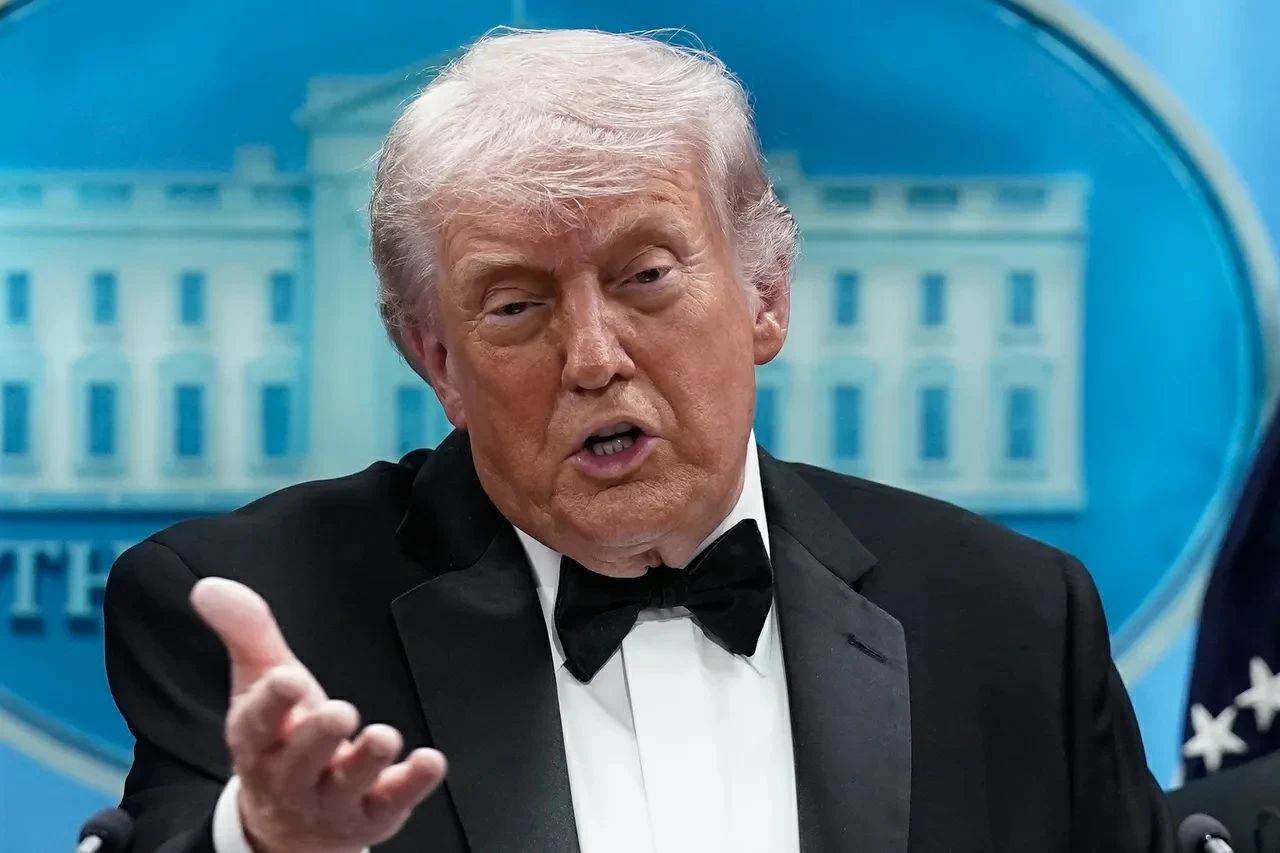
In a new political development, U.S. President Donald Trump has indicated to his advisors that he is unlikely to accept the Iranian proposal that seeks to end the blockade imposed on Iran and reopen the Strait of Hormuz, while delaying discussions related to its nuclear program until later negotiations after the war.
American sources revealed that Trump is dissatisfied with the proposal presented through Pakistani mediation, which aims to halt the war. U.S. officials have ruled out the possibility of Trump accepting Tehran's latest proposal to end the conflict, which includes postponing discussions on the nuclear program until disputes concerning maritime shipping from the Strait of Hormuz are resolved.
Details of the Proposal
CNN reported that U.S. officials stated that lifting the American maritime blockade on Iranian ports and reopening the strait without resolving issues related to uranium enrichment or uranium stocks near military usage levels could deprive the United States of a key leverage point in negotiations.
At the same time, informed sources indicated that the possibility of the United States returning to war and withdrawing from negotiations remains, despite ongoing mediation between America and Iran, with a resolution expected in a few days. The sources clarified that the U.S. side conditions the opening of the Strait of Hormuz without restrictions or fees.
Background & Context
These developments come at a sensitive time, as the Strait of Hormuz is considered one of the most important maritime passages in the world, through which approximately 20% of global oil passes. The region has witnessed increasing tensions in recent years, heightening the importance of negotiations regarding nuclear issues and maritime shipping.
Additionally, the internal situation in Iran is marked by divisions, complicating negotiations further. U.S. officials have expressed concern over the lack of clarity regarding who holds the final authority to make decisions about any potential agreement.
Impact & Consequences
If the United States continues to reject the Iranian proposal, it could lead to escalating tensions in the region, potentially affecting global oil markets. Any potential military escalation could negatively impact the global economy, especially given the current economic conditions.
On the other hand, accepting the Iranian proposal could ease tensions, but this would require concessions from both sides, which seems unlikely at this time.
Regional Significance
Arab countries neighboring Iran, such as Saudi Arabia and the UAE, are among the most affected by the tensions in the Strait of Hormuz. Any military escalation or deterioration in relations between the United States and Iran could impact the stability of the region and increase security concerns.
In conclusion, the situation in the Strait of Hormuz and issues surrounding Iran's nuclear program remain a focal point of international interest, as everyone looks forward to the outcomes of negotiations and what changes they may bring to the geopolitical landscape.