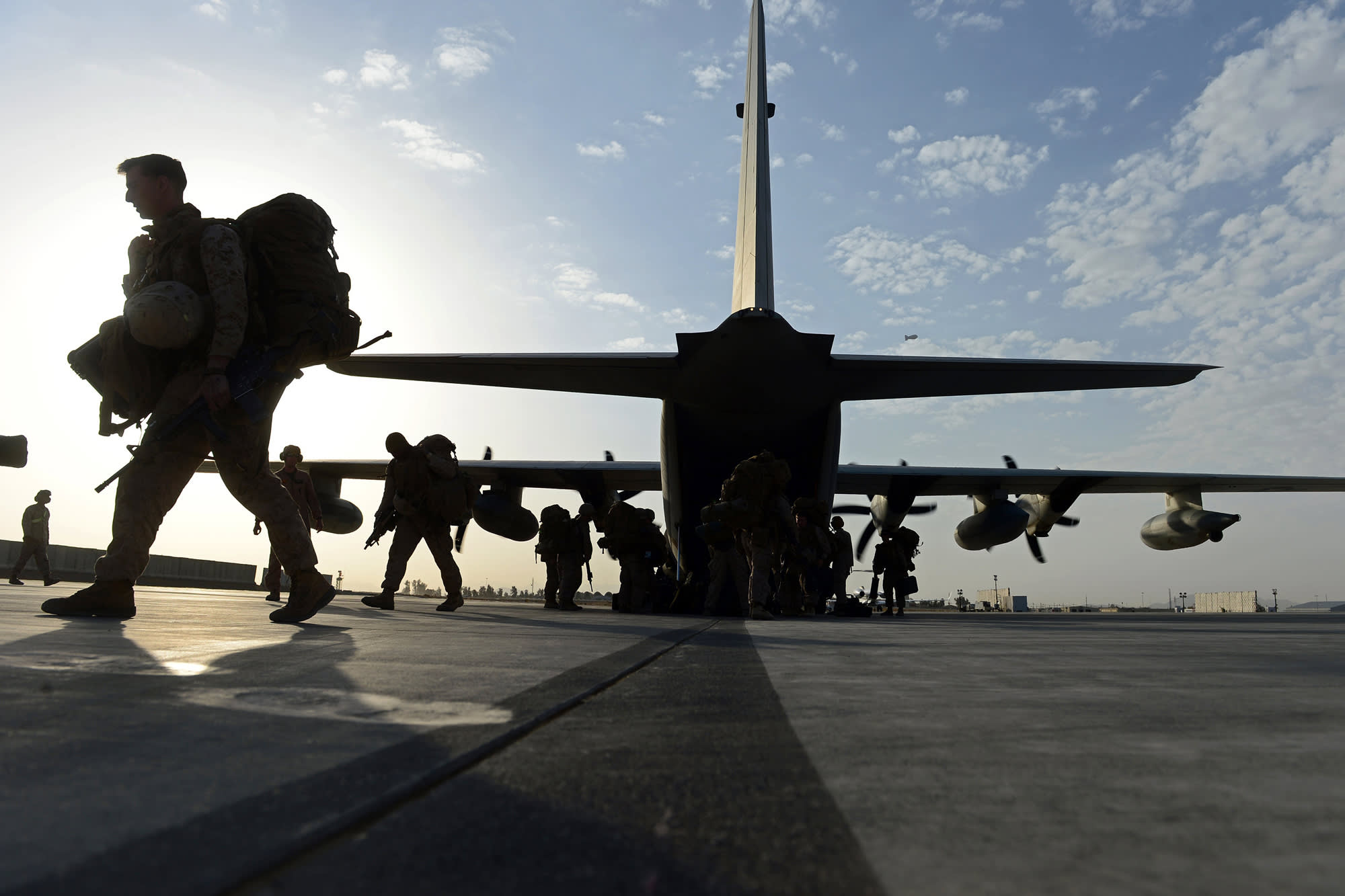
President Donald Trump has unveiled a request for a record defense budget of $740.5 billion for 2021. This request reflects the U.S. administration's commitment to enhancing its military capabilities in light of increasing tensions with countries like China and Russia.
In contrast, Trump announced substantial cuts to civilian spending, proposing reductions in the budgets of various social and service programs. This direction raises questions about its impact on the most vulnerable groups in American society.
Details of the Defense Budget Proposal
The proposed defense budget includes an increase in spending on the armed forces, including enhancements to nuclear weapons and modernization of the naval fleet. The budget also encompasses investments in advanced military technology, such as artificial intelligence and drones.
On the other hand, civilian spending faces notable reductions, with proposed cuts to budgets for programs like education and healthcare. This decision comes at a time when many Americans are suffering from the effects of the COVID-19 pandemic, intensifying criticism directed at the administration.
Background & Context
Historically, defense budgets in the United States have received significant support from both major parties, but the focus on civilian spending has seen a marked decline in recent years. This trend emerges as geopolitical tensions escalate, making the enhancement of military capabilities a top priority.
This budget proposal is part of Trump's broader strategy, which emphasizes national security and military readiness over social welfare programs.
Impact & Consequences
The proposed defense budget of $740.5 billion is likely to lead to substantial cuts in social and service programs that many citizens rely on. Critics argue that these cuts could exacerbate existing inequalities and hardships faced by low-income families.
Moreover, the budget may lead to increased tensions with competing nations and bolster relations with allies. The implications of these financial decisions could reshape the landscape of international relations, particularly in the context of U.S. interactions with countries in the Middle East.
Regional Significance
The implications of this budget extend beyond domestic concerns, as it may affect U.S. relations with Arab nations and other countries in the region. The focus on military spending could signal a shift in U.S. foreign policy priorities, potentially leading to a reevaluation of diplomatic strategies.
In conclusion, the proposed defense budget reflects a significant pivot in U.S. policy, prioritizing military expenditure over social welfare, which could have far-reaching consequences for both domestic and international landscapes.