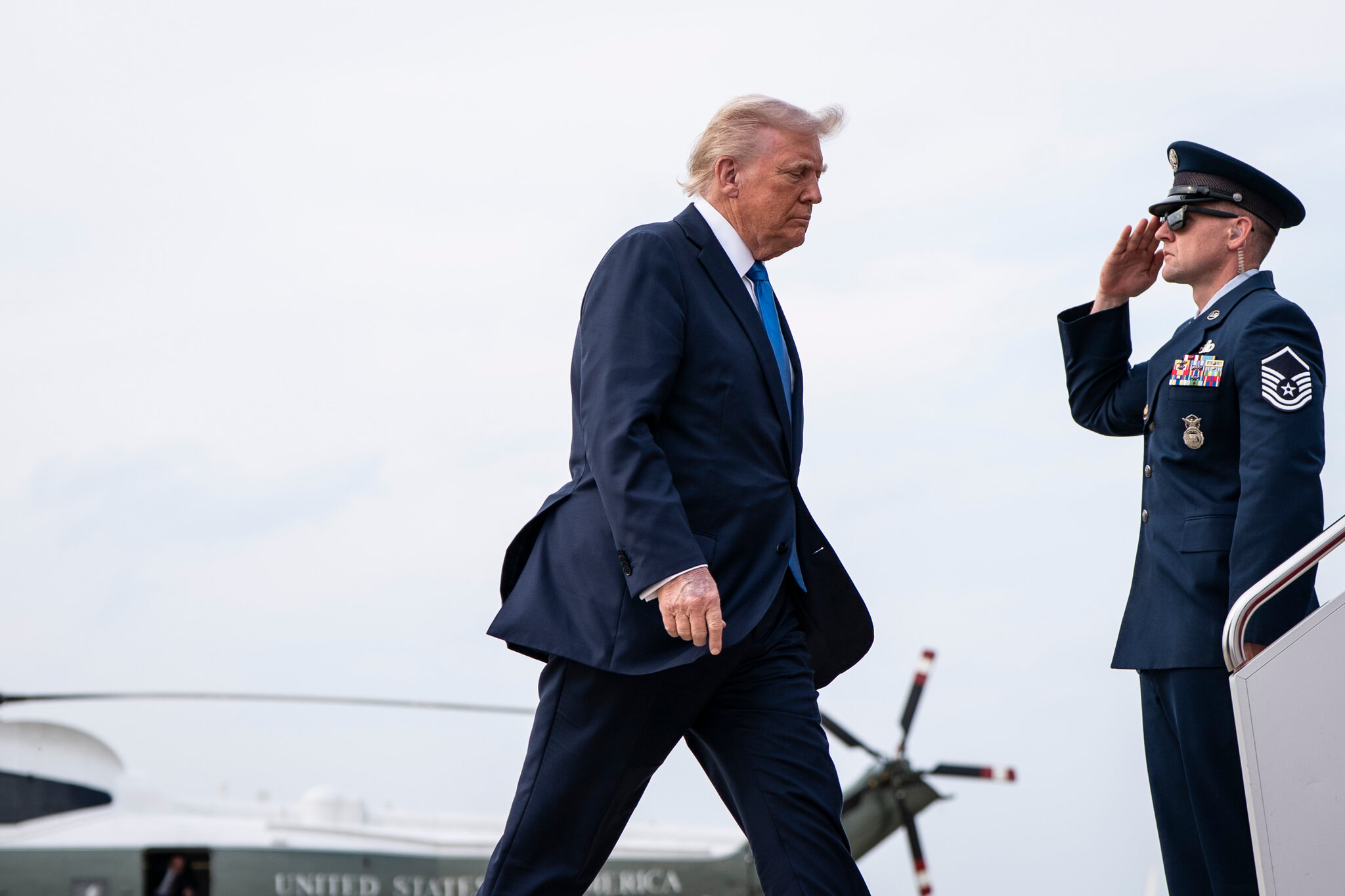
President Donald Trump has requested Congress to approve a budget of $2.2 trillion for 2027, which includes $1.5 trillion allocated for defense. This notable increase comes as the United States aims to enhance its military capabilities amid rising global tensions.
This budget is significantly larger than the previous budget requested for the fiscal year 2026, which was only $1 trillion. This trend reflects Trump's strategy to bolster American military strength in the face of global challenges, including tensions with countries like China and Russia.
Details of the Budget Proposal
The new budget includes a substantial increase in spending on weapons and military technology, reflecting the U.S. administration's commitment to enhancing its defense capabilities. The budget also allocates additional funding for the Navy and Air Force, which is part of a comprehensive strategy to address potential threats.
This request comes at a sensitive time, as concerns grow over escalating military conflicts in various regions around the world, putting pressure on the United States to be prepared to face any emerging challenges.
Background & Context
Historically, the United States has seen similar increases in defense budgets during times of crisis. For instance, following the events of September 11, military spending was significantly boosted to counter terrorist threats. Today, this dynamic is repeating itself amid rising geopolitical tensions.
The U.S. defense budget is among the highest in the world, representing a significant portion of government spending. This raises questions about national priorities, especially given the economic and social challenges the country faces.
Impact & Consequences
The increase in military spending could have far-reaching effects, not only domestically within the United States but also internationally. This increase may lead to a new arms race, heightening tensions between major powers.
Furthermore, this budget may impact U.S. relations with its allies, as some may be concerned that the focus on defense could come at the expense of cooperation in other areas such as trade and environmental issues.
Regional Significance
For the Arab region, the increase in U.S. defense spending could affect military balances in the Middle East. Some Arab countries may feel uneasy about the rising American military power, especially amid ongoing conflicts in the region.
This trend may also lead to increased military support for certain allied countries, potentially altering the dynamics of conflict in the area.
The proposed defense budget for 2027 reflects the strategic directions of the U.S. administration at a time marked by increasing global challenges. It is crucial to monitor the developments of this budget and its implications on the international stage.