us president donald trump returned from his latest visit to beijing, describing the trip as a historic achievement and praising the trade deals he had signed. however, the visit was not without its challenges, as beijing sought concessions from washington on arms sales to taiwan.
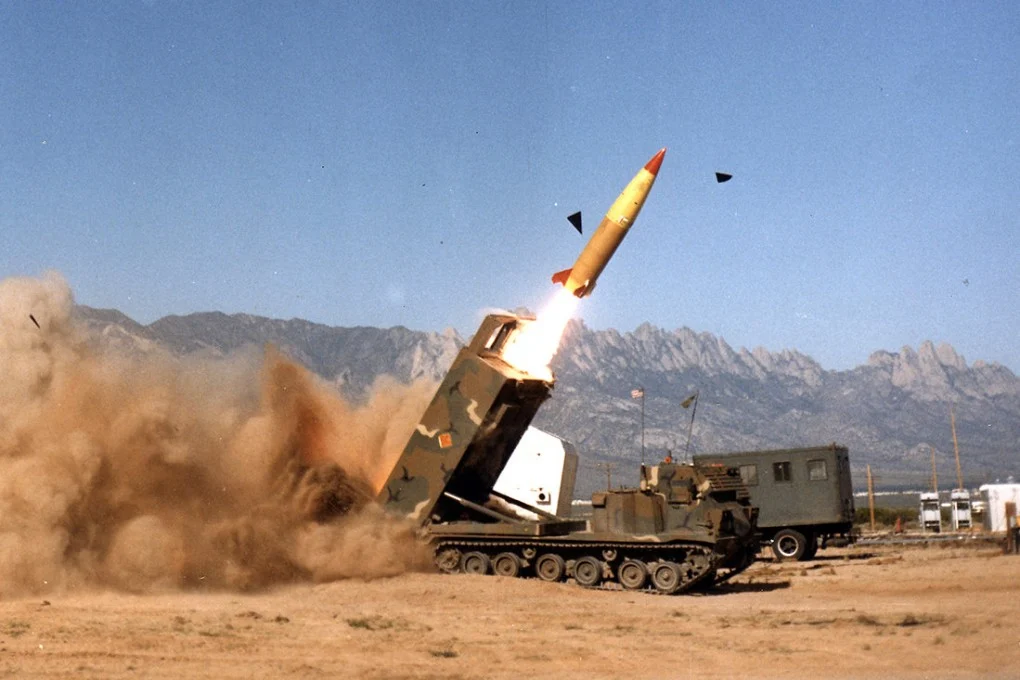
according to informed sources, beijing pressed washington to reduce the volume of arms sales to taiwan, as well as slow down the pace of approvals for these sales. these moves reflect the ongoing tensions between china and the united states over security issues in the region.
event details
trump's visit to beijing generated a lot of expectations, as he aimed to boost trade relations with china. however, beijing sought to achieve its strategic goals by pressuring washington on sensitive issues like arms sales to taiwan. taiwan is a major point of contention in sino-us relations, as china considers it a part of its territory.
while trump was touting his trade successes, some observers warned about the impact of these deals on us relations with its allies in the region, particularly taiwan. any change in us policy on arms sales could have a significant impact on the regional balance of power.
background and context
historically, sino-us relations have been complex, with the us supporting taiwan militarily and economically over the years. however, china considers taiwan a part of its territory and views any us support as a direct threat. in recent years, tensions between the us and china have escalated, particularly under the trump administration, which adopted a more hardline approach towards beijing.
trump's visit comes at a sensitive time, with concerns about escalating tensions in the south china sea, as well as trade tensions. these factors make trump's visit to beijing a strategically significant event.
impact and consequences
beijing's pressure on washington over arms sales to taiwan could lead to a change in us policy on the region. if washington responds to beijing's demands, it could lead to a reduction in military support for taiwan, which would alter the regional balance of power and increase tensions between china and taiwan.
on the other hand, if the us sticks to its position and continues to support taiwan, it could lead to an escalation of tensions with china, increasing the likelihood of conflict in the region. these dynamics make sino-us relations a key focus of international politics.
regional significance
the sino-us relationship is crucial for the middle east, as any escalation of tensions between the two powers could impact regional stability. arab countries seeking to strengthen ties with china may find themselves in a delicate position if tensions rise.
additionally, changes in us policy towards china could affect investment and trade between arab countries and china, making it essential for arab countries to closely monitor these developments.
in conclusion, trump's visit to beijing and the subsequent pressure on taiwan reflect the complexities of international relations in our era. it is essential for arab countries to remain aware of these dynamics, as the impact could extend to their economic and security interests.