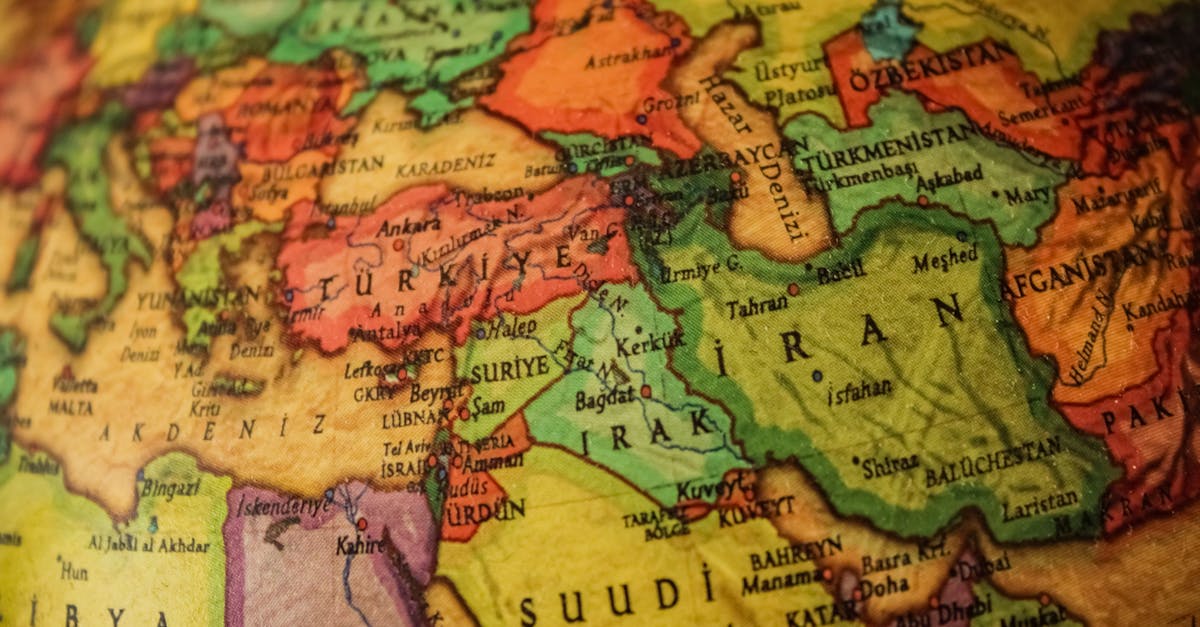
Former U.S. President Donald Trump reported that Iran has communicated to him that it is experiencing an economic collapse. These statements arise as tensions between the United States and Iran escalate, raising questions about regional stability and its impact on international relations.
Trump's comments serve as a confirmation of the economic crises plaguing Iran, exacerbated by ongoing U.S. sanctions. He indicated that this information was conveyed to him directly, adding credibility to his remarks regarding the Iranian situation.
Details of the Situation
Trump's statements come at a critical juncture, as Iran faces significant economic challenges, including soaring inflation and unemployment rates. The sanctions imposed since the U.S. withdrawal from the nuclear deal in 2018 have notably deteriorated the economic landscape.
The Iranian government is striving to find solutions to the crisis, but efforts thus far seem to have yielded insufficient results. Some analysts have pointed out that the current situation may exacerbate social and political crises within the country.
Background & Context
Historically, Iran has encountered numerous economic crises, but the current situation is among the worst. U.S. sanctions, coupled with the repercussions of the COVID-19 pandemic, have led to an unprecedented economic decline. Additionally, both internal and external political tensions play a significant role in worsening these crises.
Over the years, Iran has attempted to adapt to sanctions by developing relationships with other countries, but these efforts have not been adequate to offset the economic damage. These crises have impacted the lives of Iranian citizens, leading to widespread protests in the streets.
Impact & Consequences
If Iran continues to grapple with these crises, it could result in significant changes in the political landscape of the country. The current government may face increasing pressure from citizens, potentially threatening the stability of the regime. Furthermore, the collapse of the Iranian economy could affect regional and international relations, especially with neighboring countries.
Iran is a key player in regional politics, and any changes in its economic status could alter the balance of power in the Middle East. Other countries may seek to exploit the Iranian situation to advance their own interests, complicating the dynamics in the region.
Regional Significance
The impact of Iran's economic situation extends to Arab countries, as Iran is considered one of the influential powers in the region. Any deterioration in Iran's condition could lead to shifts in political and economic alliances. Arab nations may face new challenges in dealing with Iran under these circumstances.
Economic crises in Iran could heighten tensions in the region, as Iran may seek to bolster its influence in neighboring countries as a means to compensate for internal crises. This could raise concerns among Arab states and lead to a reassessment of their security and political strategies.
In conclusion, Trump's statements regarding the Iranian situation reflect a growing concern about regional stability. The economic crises faced by Iran could have significant repercussions for the region, necessitating proactive measures from Arab nations to address these challenges.