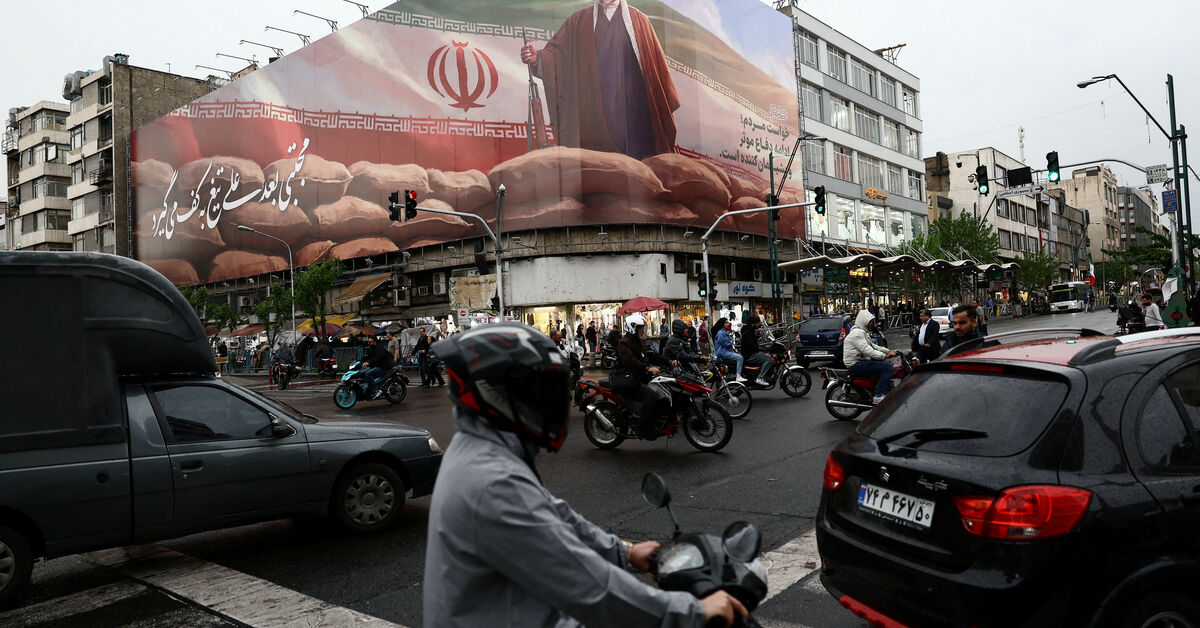
In a notable development, Iran is currently embroiled in a conflict with the United States and Israel, lacking a singular religious authority at the top of its governance, marking a radical departure from the past. This new situation may reflect a more hardline stance from Tehran, especially as it considers resuming talks with Washington.
The Iranian Revolutionary Guard, regarded as the country's main military force, has gained more power and influence during this critical period. This shift in authority could alter the dynamics of governance in Iran, as there is no longer a single individual controlling pivotal decisions.
Details of the Situation
Reports indicate that the Revolutionary Guard has begun to strengthen its military and political authority, making it increasingly difficult for traditional religious leadership to impose its control. This new reality could lead to heightened tensions in the region, as fears grow that Iran may adopt a more aggressive policy.
At the same time, Iran continues to face mounting international pressures, particularly from the United States, which seeks to isolate it. These pressures may push Tehran to adopt more hardline positions, complicating future negotiations.
Background & Context
Historically, Iran was under the leadership of its Supreme Leader, who held absolute power. However, in recent years, with the rise of internal and external challenges, the Revolutionary Guard has been bolstering its authority, resulting in radical changes in the power structure. This new dynamic may be a response to the economic and political pressures facing the country.
Additionally, regional tensions, particularly in Iraq and Syria, have contributed to the enhanced role of the Revolutionary Guard, which has taken on a larger role in directing Iran's foreign policy. This trend may reflect a desire to amplify Iranian influence in the region, potentially conflicting with American and Israeli interests.
Impact & Consequences
This change in the power structure is likely to escalate tensions in the region. With the growing influence of the Revolutionary Guard, Iran may become more willing to adopt aggressive stances toward its adversaries, increasing the risk of new conflicts.
Moreover, this situation could affect the stability of the region as a whole, potentially provoking reactions from neighboring countries, thereby complicating the security landscape in the Middle East.
Regional Significance
Given the current circumstances, the impact of this shift in Iran may extend to neighboring Arab countries. The increased influence of the Revolutionary Guard could signify an escalation of Iranian activities in Iraq, Syria, and Lebanon, threatening the stability of these nations.
Arab countries may find themselves compelled to reassess their security and diplomatic strategies in light of these changes. Some nations are likely to seek to strengthen their alliances to confront the growing challenges posed by Iran.
In conclusion, the current transformations in Iran represent a turning point in the country's history and could significantly affect regional and international relations. As the influence of the Revolutionary Guard increases, the question remains as to how the international community will respond to these changes.