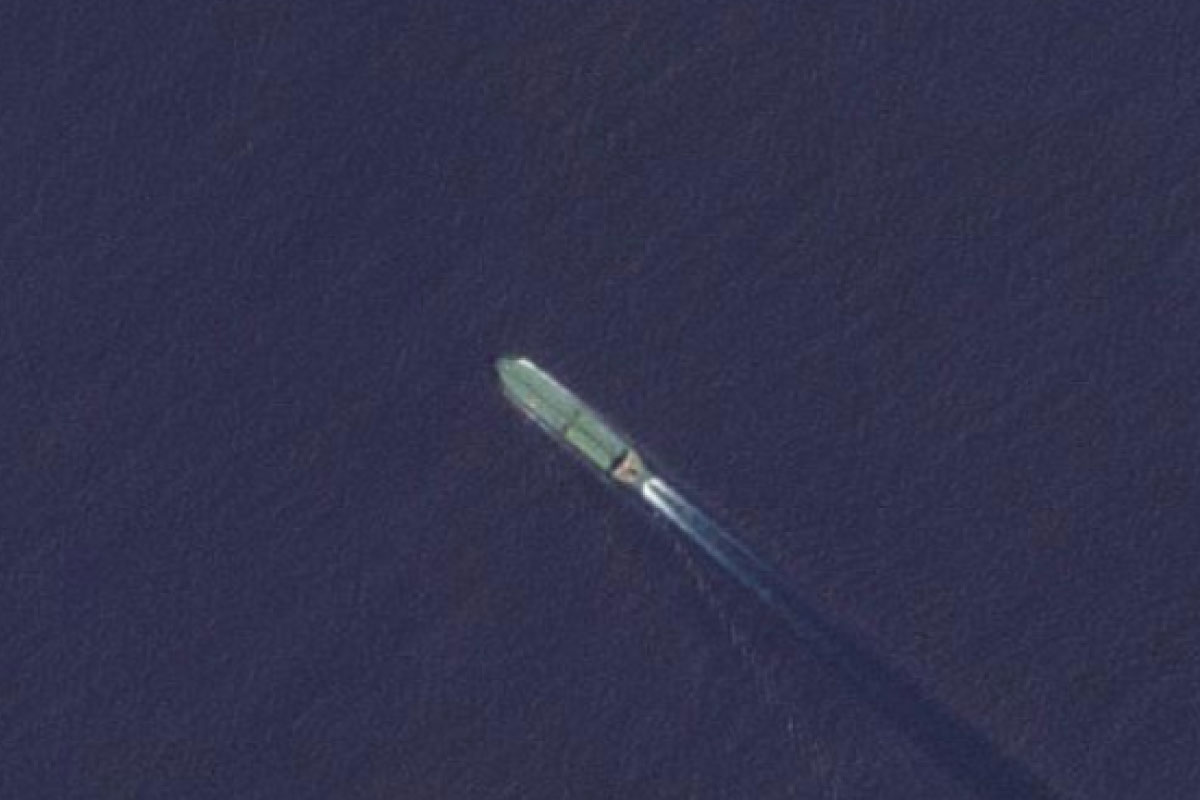
In a controversial statement, U.S. President Donald Trump announced on Sunday (March 29) his intention to "take oil from Iran," indicating the potential for controlling Khark Island, which is a vital center for Iranian oil exports. These remarks come as military tensions in the Middle East escalate, raising concerns about a potential conflict between the United States and Iran.
During an interview with the Financial Times, Trump suggested that the U.S. could feasibly seize Iranian oil, likening it to actions taken by Washington regarding Venezuela, where it seeks to control the oil industry following the ousting of President Nicolas Maduro. Trump emphasized that controlling Khark Island, which handles over 90% of Iranian oil exports, would be a strategic move.
Details of the Statement
Trump noted in his comments that "seizing Khark Island could be easy," considering that Iranian defenses in the area are weak. He explained that the U.S. has multiple options to address this situation, raising questions about the intentions of the U.S. administration in the region. He also added that military operations might require a prolonged presence of U.S. forces in the area.
At the same time, the United States continues to bolster its military presence in the Middle East, with reports indicating that the Pentagon has sent approximately 10,000 additional troops to the region. More than 3,500 troops, including 2,500 Marines, have been deployed as part of these reinforcements.
Background & Context
Historically, U.S.-Iran relations have been strained, especially following Washington's withdrawal from the Iranian nuclear deal in 2018. Since then, the U.S. has imposed stringent economic sanctions on Tehran, exacerbating the country's economic conditions. In this context, Khark Island is considered a strategic asset for Iran, playing a pivotal role in oil exports, making it an attractive target for any U.S. military action.
Furthermore, Trump's statements come at a sensitive time, as global oil prices are rising, with Brent crude prices reaching $119.5 per barrel, the highest level since June 2022. This price increase reflects growing concerns over escalating conflict in the region.
Impact & Consequences
If these plans are executed, it could lead to a significant escalation in the conflict between the United States and Iran, potentially resulting in severe consequences for regional and global security. Any military operations are likely to increase casualties and worsen humanitarian conditions in the area, highlighting the substantial risks associated with such actions.
Moreover, controlling Iranian oil could strengthen the U.S. position in the global energy market, but it could also provoke violent reactions from Iran and its allies, complicating the situation further in the Middle East.
Regional Significance
For Arab countries, the rising tensions between the U.S. and Iran could directly impact security and stability in the region. Gulf states, in particular, may find themselves in a sensitive position, as oil prices and local economies could be significantly affected by any military escalation.
Ultimately, the question remains as to how Iran will respond to these threats and whether it will take countermeasures to protect its interests. The situation in the Middle East remains complex and requires close monitoring by the international community.