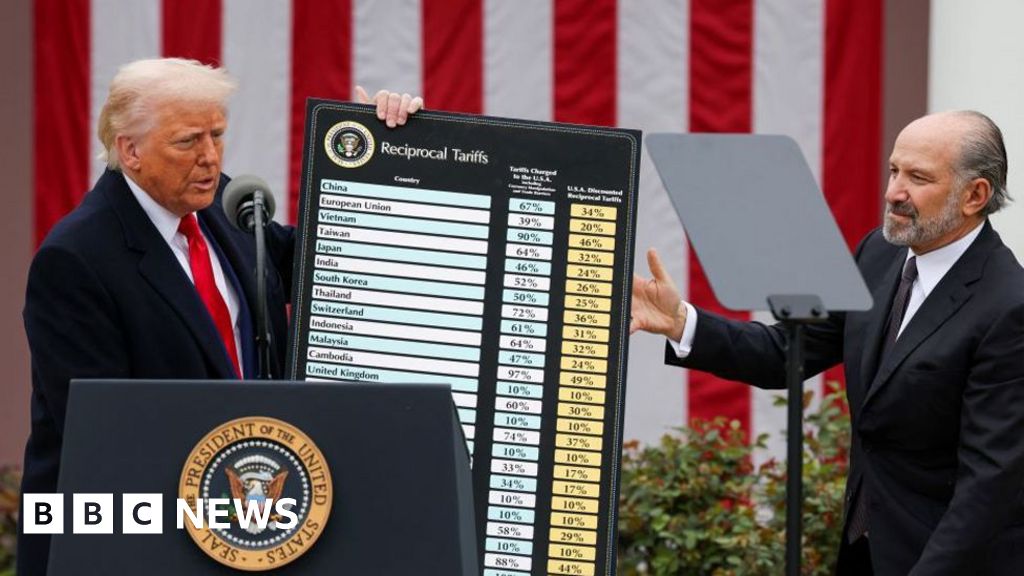
In a controversial move, U.S. President Donald Trump is seeking to impose new import taxes after the U.S. Supreme Court rejected previous tariffs. This decision comes at a crucial time for the American economy, where Trump faces significant challenges in maintaining public support ahead of the upcoming presidential elections.
The Trump administration is working to offset potential losses resulting from this rejection by implementing new taxes, which could significantly impact trade relations with other countries. Reports indicate that these taxes may target a range of imported goods, potentially leading to increased prices for American consumers.
Details of the Proposed Taxes
This step comes amid a series of trade tensions between the United States and China, where the previous tariffs aimed to reduce the trade deficit with Beijing. However, these tariffs have drawn widespread criticism from American companies that rely on imports to meet their needs.
At the same time, Trump is facing pressure from some Republican party members who believe that imposing new taxes could exacerbate economic conditions rather than improve them. Nevertheless, Trump appears determined to take bold steps to enhance his trade position.
Background & Context
Historically, the United States has relied on tariffs as a tool to protect domestic industries and boost the economy. However, this policy has proven to be controversial, leading to negative reactions from other countries and escalating trade tensions.
In recent years, U.S.-China relations have deteriorated significantly, with both sides exchanging tariffs on a wide range of goods. This trade conflict has had substantial effects on global markets, resulting in fluctuations in stock and commodity prices.
Impact & Consequences
If these new taxes are implemented, they are likely to lead to increased prices for American consumers, which could affect household purchasing power. Additionally, this move may provoke retaliatory responses from other countries, heightening trade tensions.
Furthermore, these taxes could reduce foreign investment in the United States, as companies may hesitate to expand their operations in an unstable business environment. This could negatively impact economic growth in the country.
Regional Significance
The implications of these new taxes extend beyond the U.S. economy, potentially affecting trade relations with countries in the Middle East and beyond. As the U.S. grapples with its trade policies, countries that rely on exports to the U.S. may find themselves facing economic challenges.
In conclusion, Trump's push for new import taxes reflects his administration's ongoing efforts to reshape trade policies and address economic concerns, but it also raises questions about the potential repercussions on international trade dynamics.