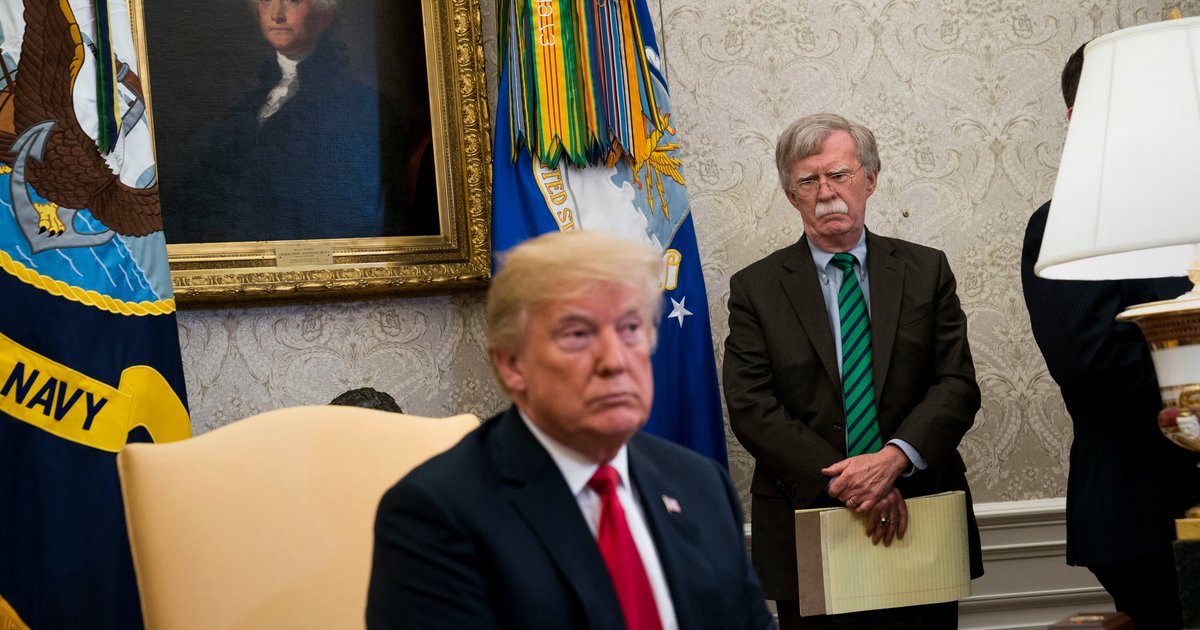
Despite five weeks of the American-Israeli war against Iran, President Donald Trump continues to promote the idea of an imminent end to the conflict. Each time military operations escalate, Trump makes statements affirming the nearing conclusion of the war, reflecting an attempt to allay American public fears of slipping into a prolonged conflict.
Trump's statements oscillate between affirming early victory and threatening to destroy Iranian infrastructure, raising questions about the credibility of this narrative amid ongoing military operations.
Details of the Situation
Since the war began in late February, Trump has repeatedly stated that the war is on the verge of ending. On March 31, he told NBC News that the war is "about to end," while on March 30, he threatened to obliterate Iranian infrastructure if a deal to end the war is not reached.
In a government meeting on March 26, Trump declared that Iran has been "defeated," while he claimed on March 24 that the war had already ended. On March 23, he hinted at the possibility of reaching a peace agreement with Iran, reflecting the inconsistency in his stance.
In an interview with Fox News on March 13, Trump indicated that the war would end when he "feels it in his bones," adding that he does not believe it will take long. He also provided an assessment of the war on March 12, asserting that things are nearing their conclusion.
On March 11, Trump stated that "there is almost nothing left" to target in Iran, indicating that the war would soon come to an end. In a speech on March 9, he suggested that the United States had achieved victories, but he added that efforts must continue to secure final victory.
On March 2, Trump described the military operation as an "absolute success," reflecting his confidence in achieving his military objectives.
Background & Context
These statements come at a sensitive time, as fears of escalating conflict in the Middle East have increased. Since the war began, the United States has deployed 50,000 troops to the region, complicating the security and economic situation.
Historically, U.S.-Iranian relations have been marked by ongoing tensions, with previous attempts at peace agreements often failing. This war is one of the most prominent conflicts reflecting geopolitical tensions in the region.
Impact & Consequences
Trump's contradictory statements may exacerbate the situation, as the American public may feel anxious about the continuation of the conflict. Additionally, ongoing military operations could negatively impact the global economy, especially amid rising oil prices and increasing fears of supply disruptions.
There is growing pressure on the U.S. administration to provide a clear vision for the future of the conflict, as instability in the region could affect international relations and heighten tensions.
Regional Significance
The war on Iran directly affects Arab countries, as fears of the conflict spilling over into neighboring states have increased. The continuation of military operations could lead to negative repercussions for regional security and political stability.
Ultimately, the question remains about the U.S. administration's ability to achieve its objectives amid ongoing military escalation and increasing challenges in the region.