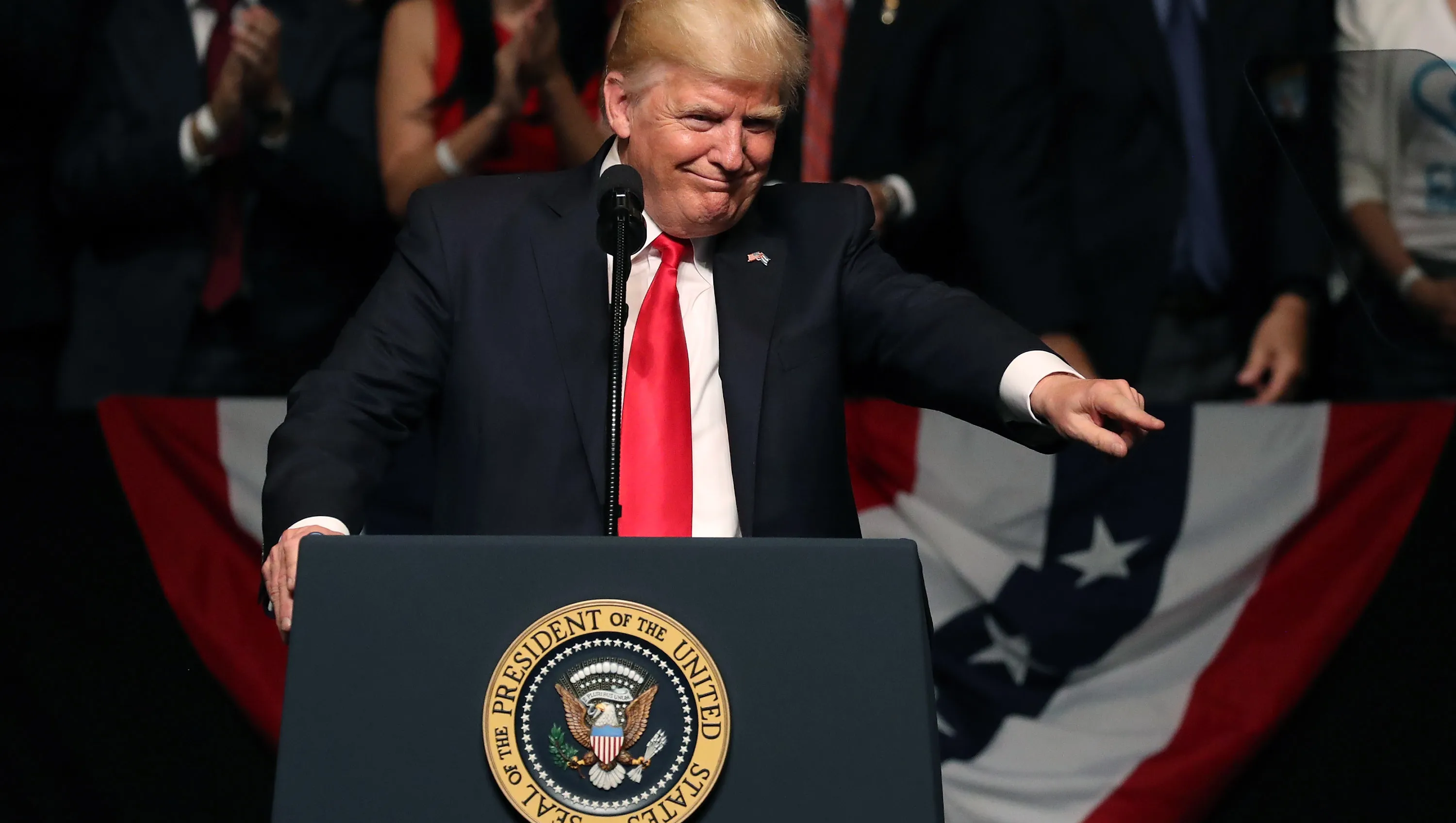
In controversial remarks during an investment forum in Miami, U.S. President Donald Trump asserted that 'Cuba is next' on his list of threats, indicating that he is not concerned about losing support from his backers due to U.S. military movements in the region. These comments come at a time when the Cuban regime is under increasing pressure, as Trump has effectively imposed an oil blockade on the island since January.
During his speech, Trump noted that the 'Make America Great Again' (MAGA) movement seeks 'strength' and 'victory,' referencing the military operation carried out by U.S. forces in January that targeted Venezuelan leader Nicolas Maduro. Trump added, 'I built these great military forces. I said, you won't need to use them, but sometimes you have to use them.'
Event Details
Trump's remarks came in the context of discussing the rising tensions in the Caribbean region, where the U.S. President did not specify what steps he plans to take regarding Cuba, but he indicated that 'Cuba is next,' eliciting laughter from the audience. Nevertheless, Trump asked the media to 'ignore this statement' before repeating the controversial phrase.
In response, Miguel Díaz-Canel, the leader of Cuba, addressed Trump's threats, affirming that any external aggression would be met with 'unbreakable resistance,' even amid the crises the country is facing, including power outages that Cuba has experienced twice within a week.
Background & Context
Historically, Cuba has been under a U.S. trade embargo since the Fidel Castro revolution in 1959. Although relations between the two countries saw some improvement in recent years, they have deteriorated again since Trump assumed office for a second term, as the U.S. President seeks to reinforce American control over Latin America.
In this context, a senior Cuban diplomat expressed Havana's readiness to continue dialogue with Washington, but emphasized that discussions about any changes in the Cuban political system are not on the table.
Impact & Consequences
Trump's statements come at a sensitive time, as military tensions in the region raise concerns about escalating conflicts. Trump's threats against Cuba could lead to increased tensions between the United States and Cuba, and may affect relations between Washington and other Latin American countries that are striving for stability.
Moreover, these remarks could influence U.S. policy towards Cuba, as Trump aims to bolster his position among his supporters by taking a hardline stance against socialist regimes in the region.
Regional Significance
The developments in Cuba are particularly significant for the Arab region, as they reflect the tensions between major world powers. The escalation of American threats could impact the stability of countries suffering from external interventions, raising concerns about regional security.
Ultimately, Trump's statements regarding Cuba remain part of his political strategy, as he seeks to strengthen his domestic support by taking hardline positions against regimes he perceives as hostile. However, the potential consequences of these statements could be far-reaching, both for Cuba and for U.S. relations with Latin American countries.