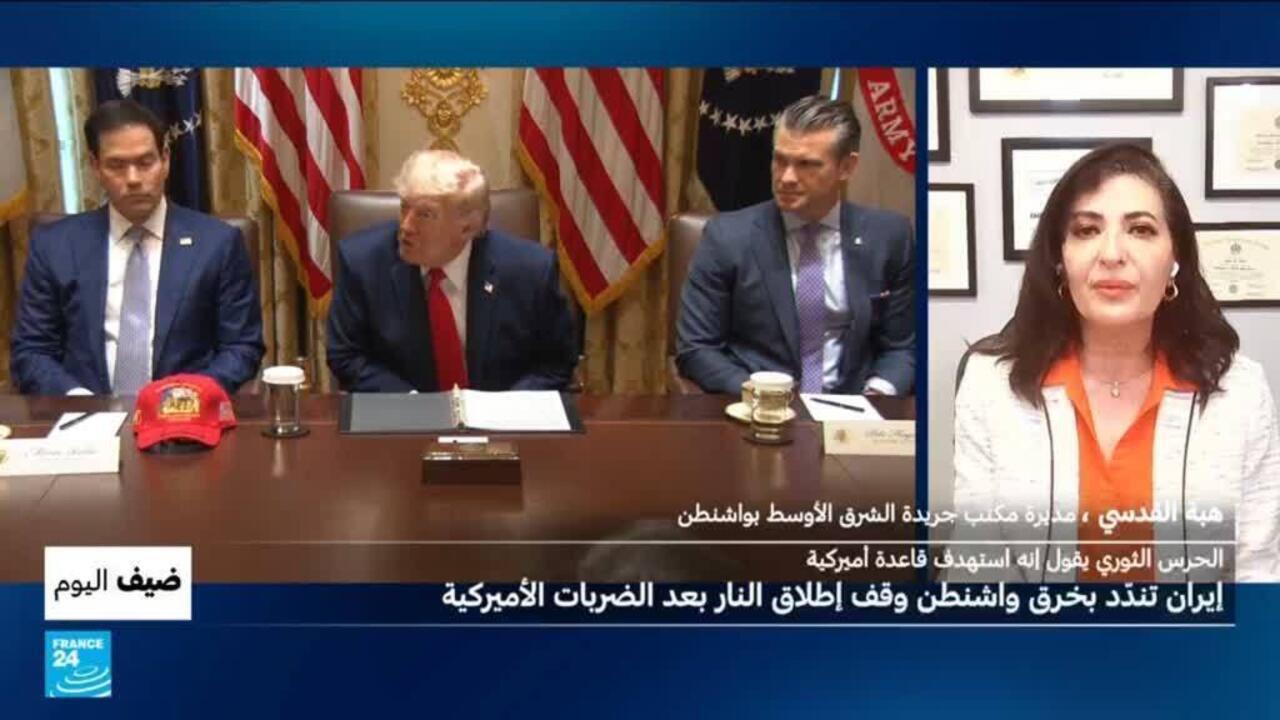
U.S. President Donald Trump has recently threatened to 'end the mission' if Tehran does not comply with the conditions set by Washington. These remarks were made in the context of escalating tensions between the United States and Iran, where Trump indicated that his country would confront any Iranian role in the Strait of Hormuz, and threatened to target Oman if it supported Iran.
The statements have sparked widespread debate regarding the intentions of the U.S. administration. Is this an attempt to pressure Iran into reaching an agreement under stricter terms, or is there a genuine intention for military escalation should diplomatic efforts fail? In this context, understanding the messages conveyed by these statements and how they interact with the internal calculations of the U.S. administration becomes crucial.
Details of the Event
Trump's remarks came at a sensitive time, as fears of rising tensions in the region grow. He indicated that the United States would not hesitate to take strict measures against any Iranian threats. These statements follow a series of events in the region, including attacks on oil tankers in the Strait of Hormuz, which Iran has been accused of orchestrating.
Trump did not shy away from issuing direct threats to Oman, reflecting an unprecedented escalation in his tone towards regional countries. These statements may also be part of a larger strategy aimed at strengthening the U.S. position in negotiations with Iran.
Background & Context
Historically, relations between the United States and Iran have been tense since the Islamic Revolution in 1979. Since then, the relationship between the two countries has witnessed numerous tensions, including economic sanctions and proxy wars in the region. These tensions have intensified following the U.S. withdrawal from the Iranian nuclear deal in 2018.
The Strait of Hormuz is a vital strategic point, through which approximately 20% of the world's oil passes. Therefore, any escalation in this strait could significantly impact global oil markets and the world economy.
Impact & Consequences
The recent statements could lead to increased military tensions in the region, adversely affecting both regional and international security. Should the situation escalate, we may witness serious repercussions, including heightened attacks on commercial vessels, which could disrupt global trade.
Moreover, these statements could affect relations between the United States and its allies in the region, as some allies may feel concerned about a potential military escalation. This situation might prompt some countries to reassess their alliances in the region.
Regional Significance
The potential escalation between the United States and Iran could have direct implications for Arab countries, especially those located near the Strait of Hormuz. Gulf countries, in particular, may face increasing security challenges as a result of these tensions.
Additionally, any military escalation could lead to rising oil prices, impacting Arab economies that heavily rely on oil exports. In this context, Arab nations must be prepared to face the repercussions of any potential escalation.
In conclusion, U.S. statements regarding Iran remain a significant focus, as they indicate the possibility of military escalation or negotiation maneuvers. The international community must closely monitor developments, as any actions could affect security and stability in the region.