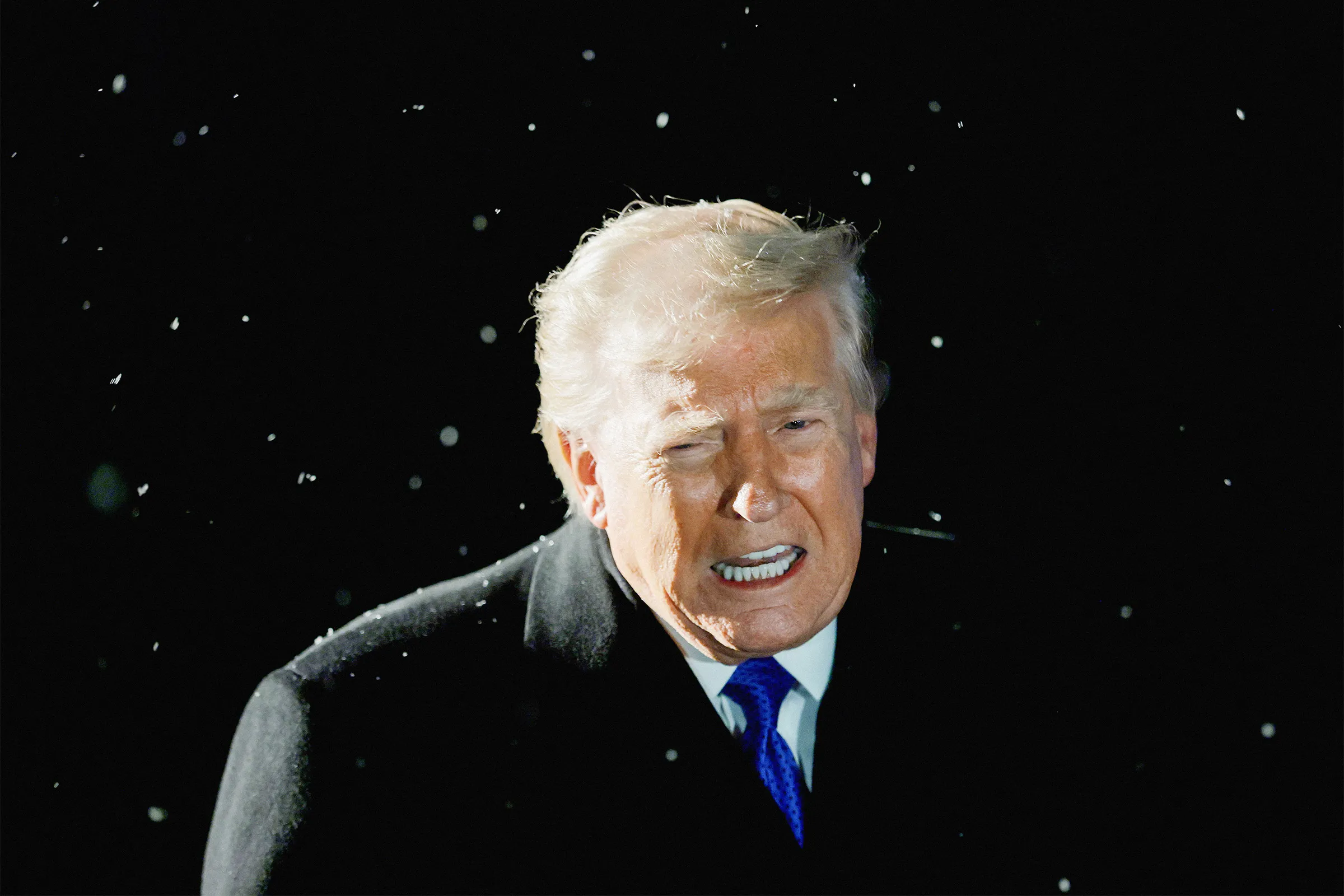
Former President Donald Trump appears to have escalated his attacks on the integrity of elections in recent months, announcing a series of plans aimed at undermining trust in electoral processes. In his statements, Trump asserted that Republicans must "take back control of voting" in 15 states, and he indicated that "there should be no elections" if they are not fair. These remarks come at a crucial time ahead of the midterm elections, raising fears about their impact on American democracy.
Trump's current efforts include supporting a bill known as the SAVE America Act, which aims to reduce the number of eligible voters, potentially disenfranchising millions. As polls indicate the Republican Party may lose seats in Congress, Trump and his allies seem focused on undermining trust in elections, paving the way for unfounded claims of election fraud in November.
Details of the Event
Trump's strategies involve using the Department of Justice and the Federal Bureau of Investigation as tools to promote his anti-voting agenda. He is also seeking to redraw electoral maps in ways that negatively affect minorities. A number of individuals known for spreading conspiracy theories about elections have been appointed to sensitive positions within the government, reflecting a significant shift in American electoral politics.
Although the SAVE America bill failed to pass last year, Republicans returned in January with a new version requiring voters to provide specific identification proof when voting. This amendment could disenfranchise millions of Americans, as estimates suggest that over 20 million eligible Americans do not possess passports or birth certificates.
Background & Context
Historically, the United States has faced numerous challenges regarding election integrity, especially following the contentious 2020 presidential election. Since then, Trump and his allies have propagated conspiracy theories about election fraud, leading to a significant division within American society. Studies have shown that the percentage of votes cast by non-citizens constitutes a minuscule part of the total votes; nevertheless, Trump continues to use these claims as a pretext to diminish voter rights.
In recent years, the powers of the Voting Rights Act have been curtailed, allowing states to make changes that could negatively impact voter rights. In 2013, the Supreme Court struck down certain federal controls aimed at protecting voters, leading to an increase in attempts to manipulate elections.
Impact & Consequences
The ramifications of these policies extend beyond the United States, raising concerns about the future of democracy in the country. If Trump continues to implement his agenda, it could undermine trust in electoral processes, threatening the stability of the democratic system. Additionally, these policies may inspire other countries in the region to adopt similar methods of undermining democracy.
Moreover, Trump's use of government tools to advance his political agenda raises concerns about the separation of powers and abuse of authority. If this trend continues, it could lead to widespread corruption and a lack of trust in government institutions.
Regional Significance
Events in the United States are particularly significant for Arab nations, as they can influence U.S. foreign policies toward the region. The undermining of democracy in the United States could negatively reflect on its support for emerging democracies in the Arab world, complicating political situations in the region.
As many Arab countries strive to promote democracy and human rights, events in the United States may provide justifications for authoritarian regimes to tighten their grip on power. Trump's continued propagation of conspiracy theories could foster an atmosphere of distrust in electoral processes, adversely affecting reform efforts in the region.