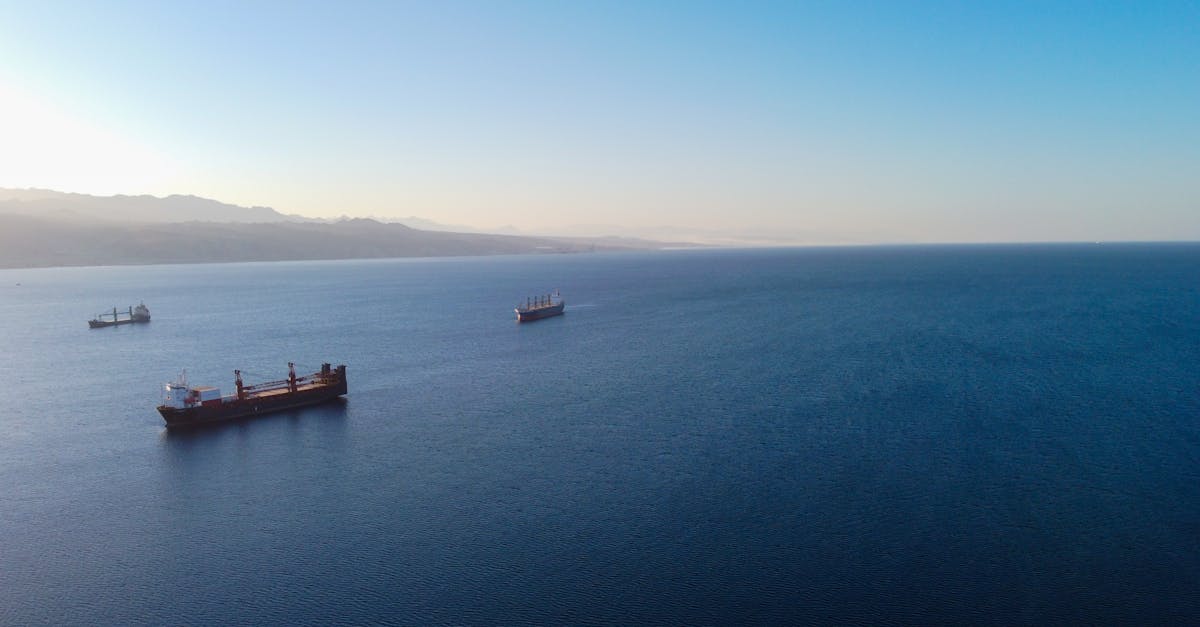
U.S. President Donald Trump has threatened to carry out military strikes to destroy Iranian bridges and power stations if Iran does not open the Hormuz Strait by Tuesday night Eastern Time. This threat arises during a sensitive time as tensions between the United States and Iran escalate, raising concerns about the stability of the region.
Trump's statements reflect the maximum pressure policy his administration has adopted towards Iran, aiming to compel Tehran to change its behavior in the region. There have been no signs of diplomatic progress, placing the region in a state of increasing uncertainty.
Details of the Threats
In his recent remarks, Trump emphasized that any actions by Iran that disrupt navigation in the Hormuz Strait would be met with a strong response. This strait is considered one of the most important waterways in the world, through which approximately 20% of global oil passes. The U.S. threats come at a critical time, as fears of military escalation could impact oil prices and global markets.
It is noteworthy that the Hormuz Strait has witnessed numerous incidents between U.S. and Iranian forces in recent years, heightening tensions. Iran has previously threatened to close the strait if faced with military or economic pressure.
Background & Context
The roots of the current tensions trace back to the U.S. withdrawal from the Iranian nuclear deal in 2018, which led to the re-imposition of severe economic sanctions on Tehran. Since then, tensions between the two countries have escalated, with the U.S. accusing Iran of supporting armed groups in the region and advancing its nuclear program.
Historically, the Hormuz Strait has been a flashpoint for major powers, having witnessed numerous military crises. In the 1980s, during the Iran-Iraq War, the strait was the stage for naval conflicts between Iranian and American forces.
Impact & Consequences
If U.S. threats are executed, it could lead to significant military escalation in the region, threatening the stability of Gulf states and affecting global oil markets. Any closure of the Hormuz Strait would result in a substantial rise in oil prices, impacting the global economy.
Moreover, military escalation could provoke reactions from other countries in the region, including Russia and China, which may support Iran in the event of an attack. These dynamics could lead to a broader conflict in the region.
Regional Significance
The implications of these threats are profound, as they signal a rise in tensions in a strategic area that significantly affects the global economy. The stability of the Hormuz Strait is crucial for the uninterrupted flow of oil, making it a focal point for international relations and security.
In conclusion, the escalating rhetoric and military threats underscore the precarious situation in the region, where any miscalculation could have far-reaching consequences for global peace and economic stability.