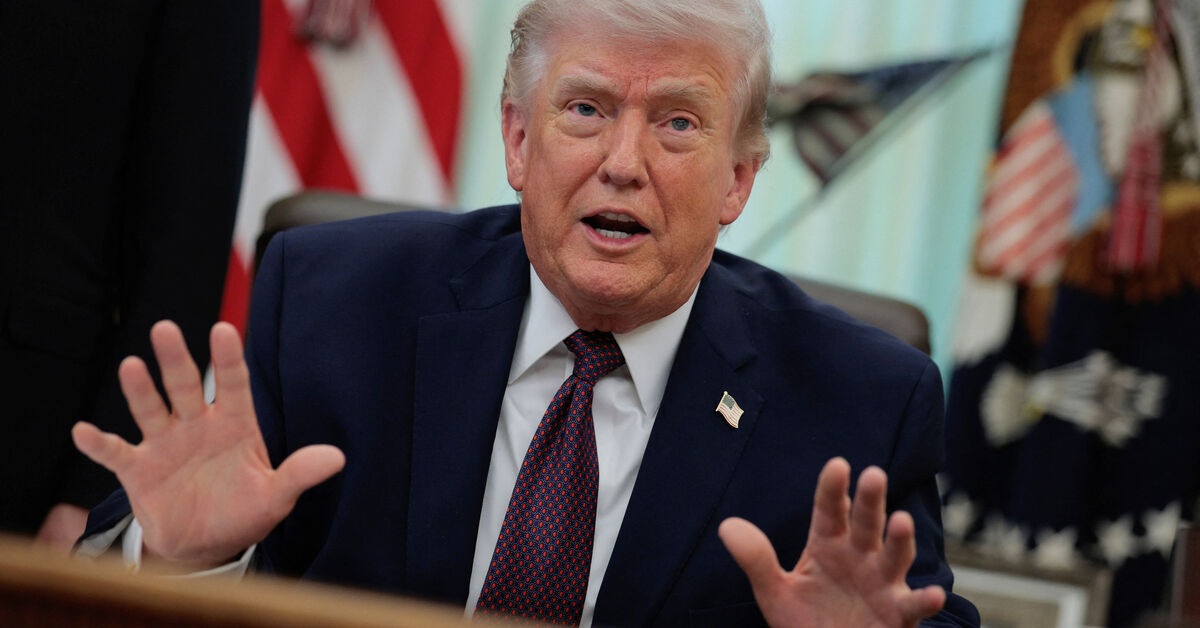
In a move that could reshape relations between the United States and its NATO allies, U.S. President Donald Trump announced he is contemplating withdrawing his country from this military alliance. This statement follows European nations' refusal to send ships to assist in opening the Strait of Hormuz, which Trump views as neglect by allies in facing security challenges.
These remarks represent an escalation in tensions between the United States and European countries, as relations have been increasingly strained in recent years, particularly under Trump's isolationist policies.
Details of the Announcement
Trump's comments come at a critical juncture, as the world faces rising security challenges in the Middle East. The U.S. President indicated that the lack of response from European nations to his calls for sending ships to the Strait of Hormuz reflects their failure to commit to shared responsibilities within NATO. Trump expressed frustration over the absence of allies in military operations deemed essential by the U.S. to ensure regional security.
NATO, established in 1949, is one of the world's most significant military alliances, aimed at countering security threats, particularly from Russia. However, Trump's statements suggest that this alliance may be at risk if member states continue to neglect their responsibilities.
Context and Background
NATO was founded in response to Soviet threats during the Cold War and has played a pivotal role in maintaining security and stability in Europe. However, recent political and economic changes, including the rise of China and Russia's return to the international stage, have reshaped the global security landscape.
In recent years, Trump has criticized his European allies for not spending enough on defense, exacerbating tensions between the United States and European nations. These tensions have impacted military cooperation among allies, leading many observers to question NATO's future.
Consequences and Impact
If the United States decides to withdraw from NATO, it could have far-reaching implications for European and global security. European nations would find themselves in a difficult position, needing to reassess their defense strategies and determine how to address security threats without American support.
Moreover, a U.S. withdrawal from NATO could embolden countries like Russia to take more aggressive steps in the region, potentially escalating military conflicts. Therefore, this situation necessitates urgent actions from European nations to enhance defense cooperation among themselves.
Significance for the Arab Region
For the Arab region, rising tensions between the United States and its European allies could impact stability in the Middle East. The Strait of Hormuz, a vital transit point for oil, may become more susceptible to military friction if urgent measures are not taken to ensure security in the area.
Additionally, any deterioration in relations between the United States and European countries could influence security policies in Arab states, leading to changes in regional alliances. Under these circumstances, Arab nations must be prepared to adapt to potential shifts in the global security landscape.