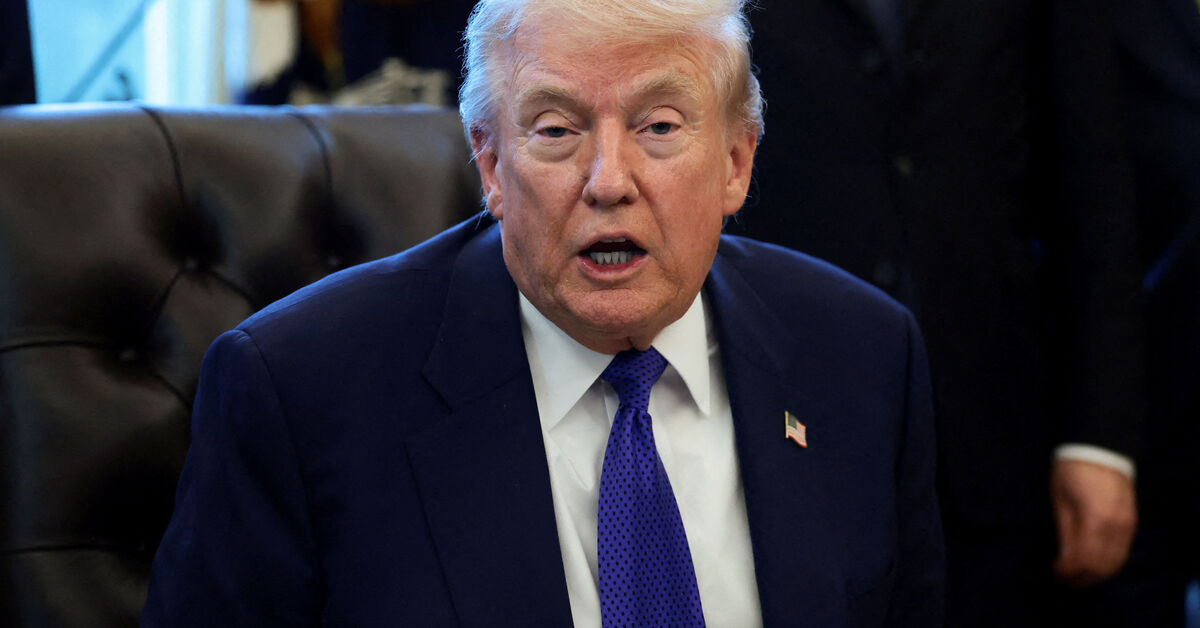
In a controversial statement, US President Donald Trump called on countries that did not participate in the US military operations against Iran to purchase American oil and head to the Hormuz Strait to 'take' what they need. These remarks were made during a press conference in the capital Washington, where Trump noted that some nations are facing difficulties in obtaining aviation fuel due to the current tensions.
Trump added that countries that did not assist the US in its military efforts should bear their responsibilities and seek alternative solutions, such as buying American oil. These statements reflect Trump's strong policy towards Iran, which has seen a notable escalation in recent years.
Details of the Event
Trump's remarks come at a time when US-Iranian relations are experiencing heightened tensions, especially following the US withdrawal from the Iranian nuclear deal in 2018. Since then, the US has imposed strict economic sanctions on Iran, significantly impacting its economy and oil activities.
The Hormuz Strait, considered one of the most important maritime corridors in the world, is used to transport approximately 20% of the world's oil. Any escalation of tensions in this area could significantly affect global oil markets.
Background & Context
Historically, the Hormuz Strait has been the scene of numerous conflicts and tensions between major powers. In the 1980s, the region witnessed a war between Iraq and Iran, where control of the strait was one of the strategic objectives. Today, the US and its allies consider Iran a threat to regional security, leading to an increased US military presence in the area.
In recent years, Iran has ramped up its military activities in the Gulf, raising concerns among neighboring countries and the US. Trump's recent statements may reflect a new strategy aimed at pressuring other countries to join US efforts to confront Iran.
Impact & Consequences
Trump's call could escalate tensions in the region, as Iran may interpret it as a direct threat. If other countries respond to Trump's invitation, it could lead to increased military tensions in the Hormuz Strait, potentially affecting global oil prices.
Moreover, these statements could provoke negative reactions from US allies in the region, who may be concerned about escalating military conflicts. At the same time, Iran could leverage these remarks to rally domestic support against what it perceives as US interference in its internal affairs.
Regional Significance
The Arab countries neighboring the Hormuz Strait, such as Saudi Arabia and the UAE, are among the most affected by tensions in this area. Any escalation in conflict could impact the stability of these nations and increase security risks in the region.
Additionally, any rise in oil prices resulting from tensions could affect Arab economies that heavily rely on oil revenues. Thus, Trump's statements may present the region with new challenges that require swift and effective responses.
In conclusion, Trump's remarks reflect the escalating tensions in US-Iranian relations and highlight the significance of the Hormuz Strait as a critical element in global politics. Arab nations must be prepared to face potential challenges arising from these developments.