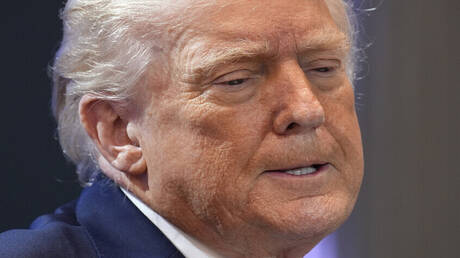
U.S. President Donald Trump has stated he is unwilling to make any concessions in negotiations with Iran, emphasizing that Tehran must be aware of the potential consequences if an agreement is not reached. This statement was made during a press conference where Trump highlighted the deadlock surrounding negotiations between the two sides.
Facing increasing pressure from some of his allies in Congress, Trump added that Iran must understand "what will happen to them soon" if they continue to ignore calls for negotiation. These remarks come at a sensitive time as tensions escalate between the United States and Iran, particularly after Washington's withdrawal from the nuclear agreement in 2018.
Details of the Event
During the press conference, Trump did not specify the details of the consequences Iran might face, but he reiterated his firm stance that the United States will not relent in its policy toward Tehran. He also mentioned that the U.S. administration is working to strengthen sanctions imposed on Iran, which increases economic pressure on the Iranian regime.
These statements come at a time when the region is witnessing increasing tensions, as Iran seeks to bolster its influence in the Middle East, raising concerns among neighboring countries and the United States. This statement serves as a clear warning to Tehran that time is running out for them to reach an agreement that secures their interests.
Background & Context
Historically, U.S.-Iranian relations have been marked by ongoing tensions since the Islamic Revolution in 1979. Since then, the United States has taken several steps to pressure Iran, including imposing strict economic sanctions. The nuclear agreement reached in 2015 represented a turning point in these relations, but it collapsed after Trump withdrew from the agreement.
In recent years, the region has seen a rise in Iranian military activities, including support for armed groups in Iraq, Syria, and Lebanon. These activities have raised concerns among the United States and its allies, prompting them to adopt a tougher stance toward Iran.
Impact & Consequences
Trump's remarks could lead to an escalation of tensions between the United States and Iran, increasing the likelihood of military confrontations in the region. Furthermore, the ongoing stalemate in negotiations could negatively impact regional stability and exacerbate existing conflicts.
Economically, increasing U.S. sanctions may worsen the economic situation in Iran, potentially pushing the Iranian regime to take more extreme measures. This situation could also affect oil prices and global markets, as Iran is a key player in the energy market.
Regional Significance
The U.S.-Iranian relationship is pivotal for security and stability in the Arab region. Any escalation in tensions could affect neighboring countries, such as Iraq, Syria, and Lebanon, which are already suffering from internal conflicts and external interventions.
Arab countries, which are seeking to strengthen their relations with the United States, may find themselves in a difficult position if the situation escalates. It is crucial for these countries to closely monitor developments, as any change in U.S. policy toward Iran could impact their security and economic strategies.
Trump's statements reflect the ongoing U.S. pressure on Iran and underscore the importance of reaching an agreement that ensures stability in the region. Given the current circumstances, the question remains open as to how Iran will respond to these challenges and whether it will move toward negotiations or continue its escalation policy.