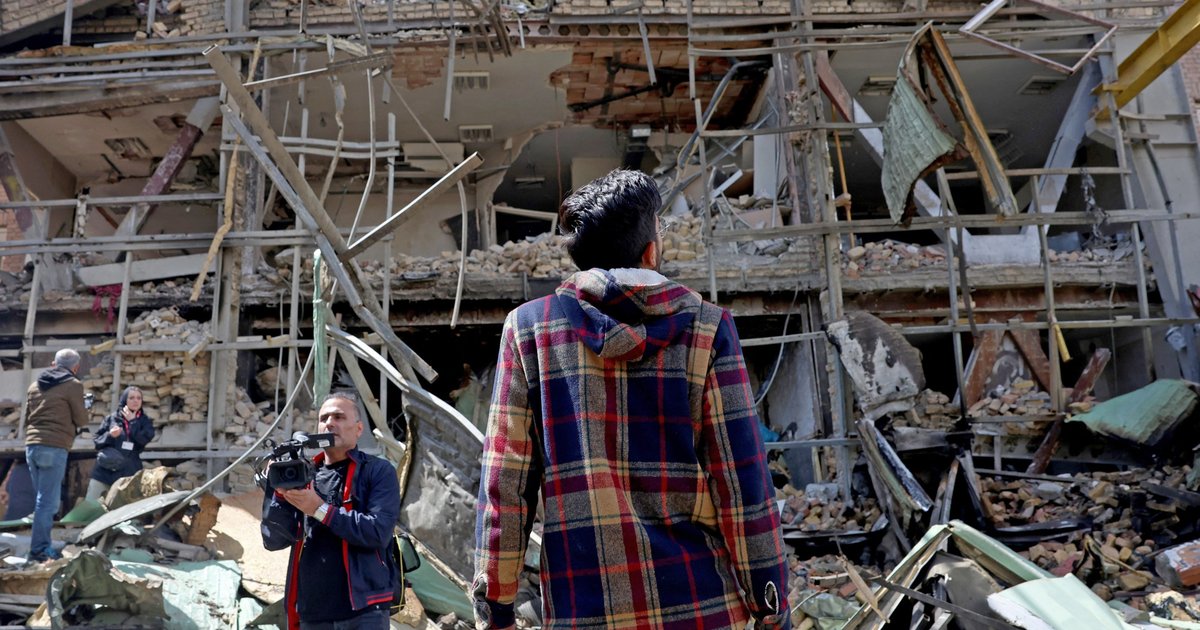
U.S. President Donald Trump has warned Iran that "time is running out" to reopen the Strait of Hormuz before the set deadline of April 6, stating that there will be severe consequences for Tehran if it does not comply with this request. These remarks come as tensions rise between the United States and Iran, with the strait being one of the most important maritime passages globally.
Trump stated in his remarks: "Our massive military strikes in Tehran have ended the lives of many Iranian military leaders," adding that these leaders have managed the Iranian army "poorly and unwisely." These statements reflect an escalation in rhetoric between the two sides, as the conflict continues to worsen.
Details of the Event
Trump's warnings come at a time when U.S. pressure on Iran to reopen the Strait of Hormuz is increasing, as it is considered the lifeline for the global oil sector. The April 6 deadline has been identified as a critical point in the conflict, further heightening tensions in the region.
The United States continues to exert pressure on Tehran, viewing these actions as part of a broader strategy aimed at reducing Iran's influence in the region. These statements have raised widespread concern in political and economic circles, as there are fears that any military escalation could have dire consequences for the global economy.
Background & Context
Historically, the Strait of Hormuz is considered a vital strategic point, through which approximately 20% of the world's total oil passes. The region has witnessed increasing tensions in recent years, particularly following the U.S. withdrawal from the Iranian nuclear deal in 2018, which led to the re-imposition of economic sanctions on Tehran.
Iran seeks to bolster its position in the region, while the United States attempts to diminish its influence. These dynamics have led to a continuous escalation of tensions, making it difficult to reach diplomatic solutions.
Impact & Consequences
Trump's recent statements could lead to potential military escalation in the region, which may impact oil prices and global markets. If Iran does not respond to U.S. pressures, it could face severe consequences, including increased military pressure or even direct military intervention.
Moreover, any escalation in the conflict could affect relations between the United States and its allies in the region, including Saudi Arabia and the UAE, complicating the security situation in the Arabian Gulf.
Regional Significance
These developments are particularly significant for Arab countries, as they may lead to heightened tensions in the Gulf region. Many Arab nations depend on stable oil prices, and any escalation in the conflict could result in rising prices and negative impacts on Arab economies.
Furthermore, rising tensions could strengthen the position of Iran-backed armed groups in the region, increasing the security challenges faced by Arab states. Ultimately, the current situation requires an effective diplomatic response to avoid further escalation.