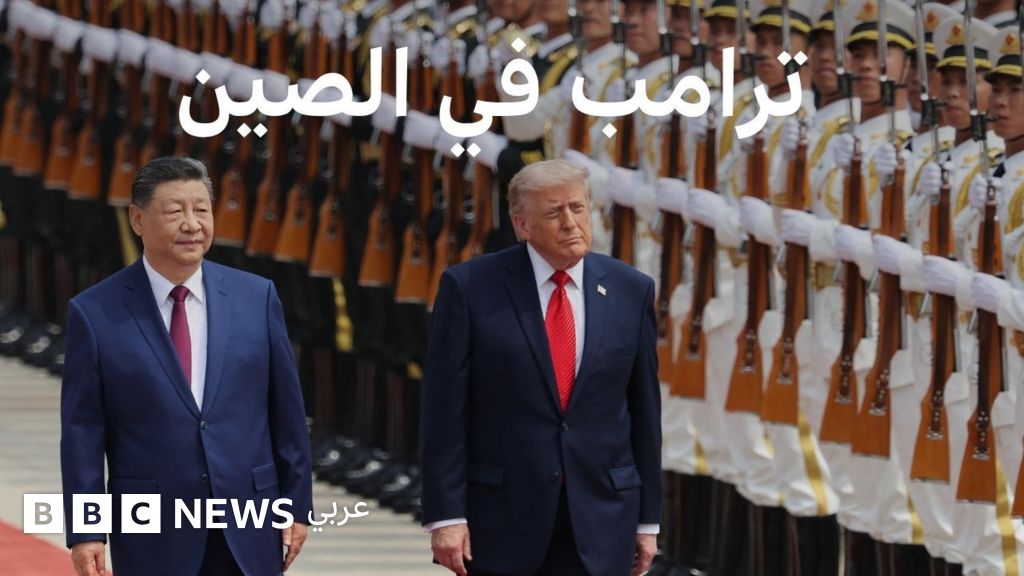
US President Donald Trump conducted a bilateral meeting with his Chinese counterpart Xi Jinping in Beijing as part of a state visit aimed at strengthening bilateral relations. The meeting, which took place amid rising tensions, addressed a range of sensitive issues impacting the relationship between the world's two largest economies.
The discussions included topics related to Taiwan, with the US's support for the island viewed as a challenge by China, which considers it part of its territory. Additionally, the issue of trade was on the agenda, as both sides seek solutions to the trade disputes that have erupted in recent years, leading to mutual tariffs.
Details of the Meeting
The meeting between Trump and Xi occurred at a critical time, with increasing concerns about escalating military tensions in the Pacific region. Trump emphasized the importance of direct dialogue with China to resolve outstanding issues, while Xi stressed the need to respect China's sovereignty and national interests.
The discussions also touched on technology issues, as the US and China compete for dominance in fields such as artificial intelligence and biotechnology. This competition raises fears of a technological arms race that could impact national security for both countries.
Background & Context
Historically, US-China relations have experienced significant fluctuations, with periods of cooperation followed by times of tension. Since Trump took office, the intensity of disputes between the two nations has escalated, particularly in the areas of trade and technology. These issues are not new but have become more complex in light of current geopolitical circumstances.
Trump's visit to Beijing is part of his efforts to enhance relations with China, despite the considerable challenges faced. The economic ties between the two countries represent one of the largest trading relationships in the world, making dialogue and negotiation essential to prevent escalating disputes.
Impact & Consequences
The impact of this meeting could extend to various areas, including the global economy. Any escalation in tensions between the US and China could lead to negative effects on global financial markets, raising concerns among investors.
Moreover, the outcomes of this meeting may influence the foreign policies of other nations, especially those reliant on trade relations with both countries. If agreements are reached, it could lead to greater stability in the markets, while any failure in dialogue could increase uncertainty.
Regional Significance
The US-China relationship holds particular importance for the Arab region, as many Arab countries depend on trade with both nations. Any changes in the relationship between Washington and Beijing could impact investments and economic projects in the region.
Furthermore, the tensions between the two powers may affect regional security, as Arab countries strive to balance their relations with major powers. It is crucial for Arab nations to monitor the outcomes of this meeting and its potential impacts on their economic and security policies.