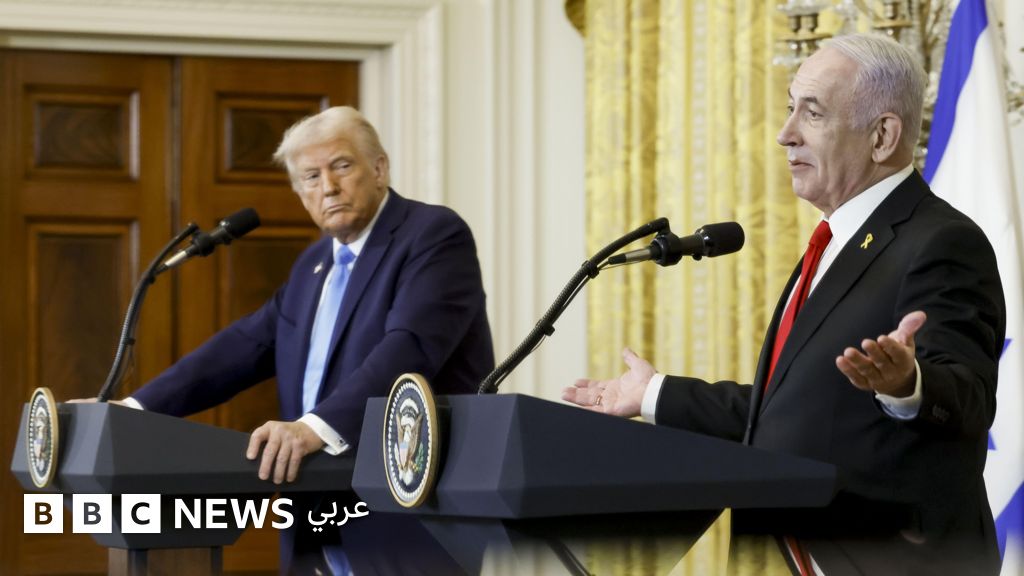
US President Donald Trump, in remarks made to Israeli Channel 13, stated that the 'final outcome' of the warning issued to Iran's power plants 'will be excellent, and you will discover that soon.'
Trump warned of 'total destruction' threatening Iran, adding, 'Iran has been very bad for 47 years, and now it is receiving its due punishment.' These statements appear to be part of the ongoing escalation between the United States and Iran, with this warning marking a new step in a series of attempts to pressure Tehran.
In this context, Trump criticized NATO's behavior towards the regime in Tehran, pointing out that NATO countries 'are doing nothing' regarding Iranian threats, a significant criticism of his traditional partners in the international order.
Earlier on Sunday, Trump directly threatened to strike Iranian energy facilities if Tehran did not open the Strait of Hormuz within 48 hours. In response, Iran vowed to retaliate against these threats by targeting 'all energy and information technology infrastructure' of the United States and Israel.
Since February 28, the relationship between the United States and Iran has grown increasingly tense, with the region experiencing unprecedented military escalation. Iran has faced pressure due to attacks carried out by the US and Israel, which resulted in the deaths of hundreds of Iranian officials, including Supreme Leader Ali Khamenei.
There is ongoing movement from Iranian forces targeting American locations in Arab countries. Reports indicate that these attacks have resulted in numerous casualties, prompting some governments in the targeted countries to condemn and call for an end to these assaults.
These recent statements and actions are part of a larger strategy promoted by the Trump administration aimed at increasing pressure on Iran by isolating it internationally and weakening its military and economic power sources.
Moreover, relations between the United States and Israel have strengthened during this period, with increased cooperation in defense and security, complicating the situation with Iran. These dynamics represent significant challenges to security in the Middle East.
Over the past two decades, we have seen a rise in Iranian activities in the region, which many consider a threat to the national security of Arab states. Thus, the recent escalation between Trump and Tehran could raise tensions on multiple fronts.
While Trump attempts to adopt a hardline policy against Tehran, Iran appears determined not to back down, responding swiftly to any attacks from the United States or its allies.
In conclusion, it is clear that the political landscape in the Middle East is overshadowed by increasing tensions, as the current conditions could lead to severe consequences at both regional and international levels.