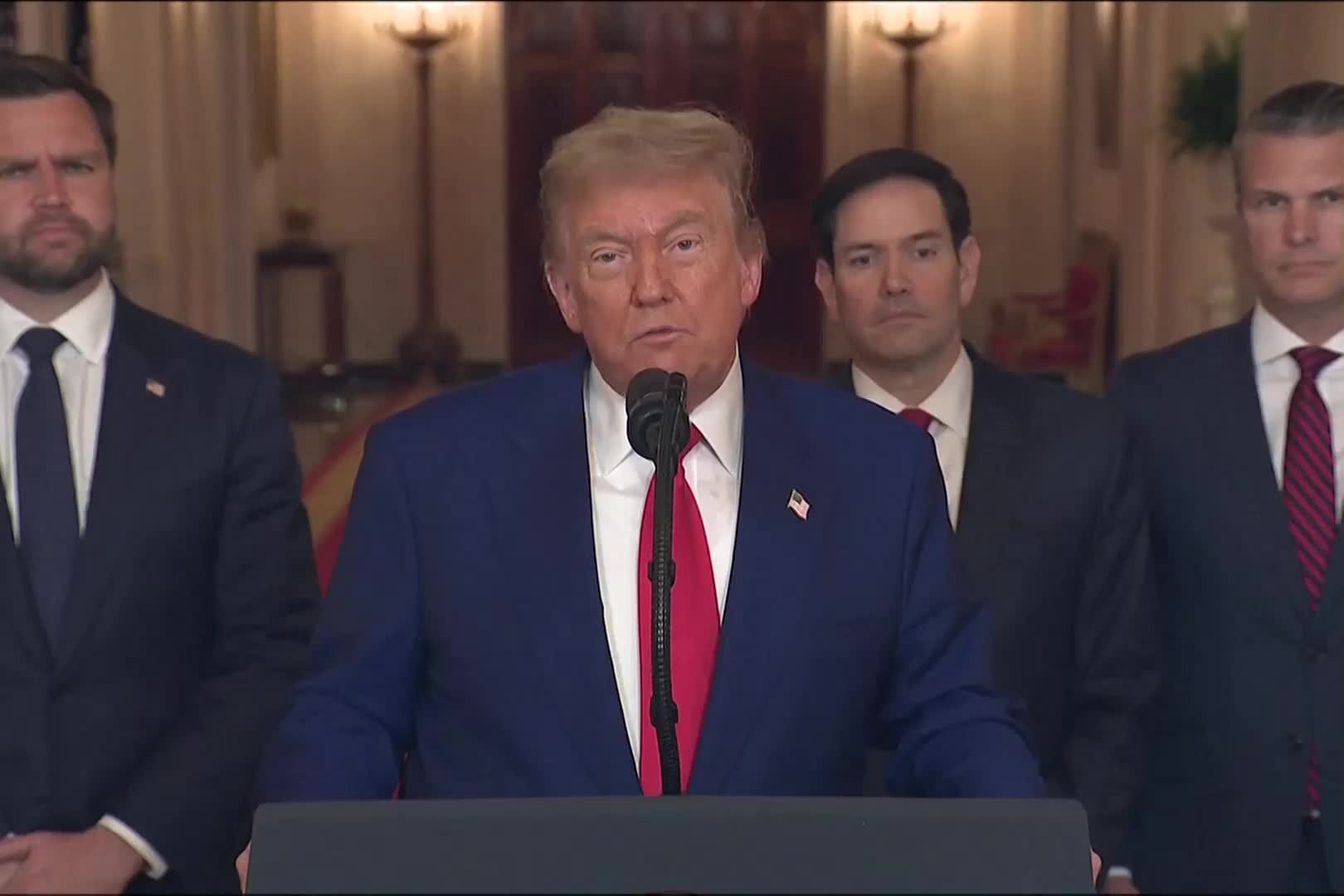
Former President Donald Trump's contradictory statements regarding the war in Iran have caused confusion among observers and analysts. These remarks come at a sensitive time as tensions in the region escalate, increasing concerns about the future of U.S.-Iran relations.
In a series of statements, Trump indicated that the United States might be heading towards military escalation against Iran, while at the same time, he called for the necessity of avoiding war. This contradiction raises questions about the previous U.S. administration's strategy towards Iran and how it affects the current situation.
Details of the Event
During an interview with the media, Trump confirmed that Iran represents a significant threat to the United States and its allies in the region. However, he added that he does not wish to enter a new war, placing him in a contradictory position. These statements come at a time when U.S.-Iran relations are under severe strain, especially following the U.S. withdrawal from the Iranian nuclear deal in 2018.
Although Trump had taken a hardline stance against Iran, his recent statements suggest a kind of hesitation. This wavering stance could have significant implications for U.S. foreign policy, particularly with a new administration in the White House.
Background & Context
Historically, U.S.-Iran relations have been tense since the Iranian Revolution in 1979. Since then, the relationship has witnessed numerous crises, including the Second Gulf War, the Iranian nuclear program, and economic sanctions. In recent years, these tensions have escalated with the increase of Iranian military activities in the region, prompting the United States to take military action against Iranian targets.
In 2020, the United States assassinated Iranian General Qassem Soleimani, leading to a significant escalation in tensions. Since then, Iran has sought to enhance its influence in the region, complicating relations between the two countries further.
Impact & Consequences
Trump's conflicting statements could exacerbate the situation in the region, as Iran may interpret them as a direct threat, potentially prompting retaliatory actions. Additionally, this confusion in messaging may affect U.S. allies in the region, who may feel uncertain about Washington's commitment to their security.
Moreover, these statements could impact the global market, particularly in the oil sector, as any escalation in tensions could lead to rising oil prices due to fears of supply disruptions.
Regional Significance
For Arab countries, Trump's contradictory statements reflect a state of instability in U.S. policy towards the Middle East. Many Arab nations, especially those sharing borders with Iran, are concerned about any military escalation that could affect their security and stability.
These statements may also lead to strengthening regional alliances, as Arab countries may seek to enhance their cooperation to counter potential Iranian threats. At the same time, they could increase divisions among Arab states, as their views on how to deal with Iran differ.
In conclusion, Trump's conflicting statements regarding Iran remain a significant concern for observers and analysts, reflecting a state of uncertainty in U.S. policy and raising questions about the future of relations in the region.