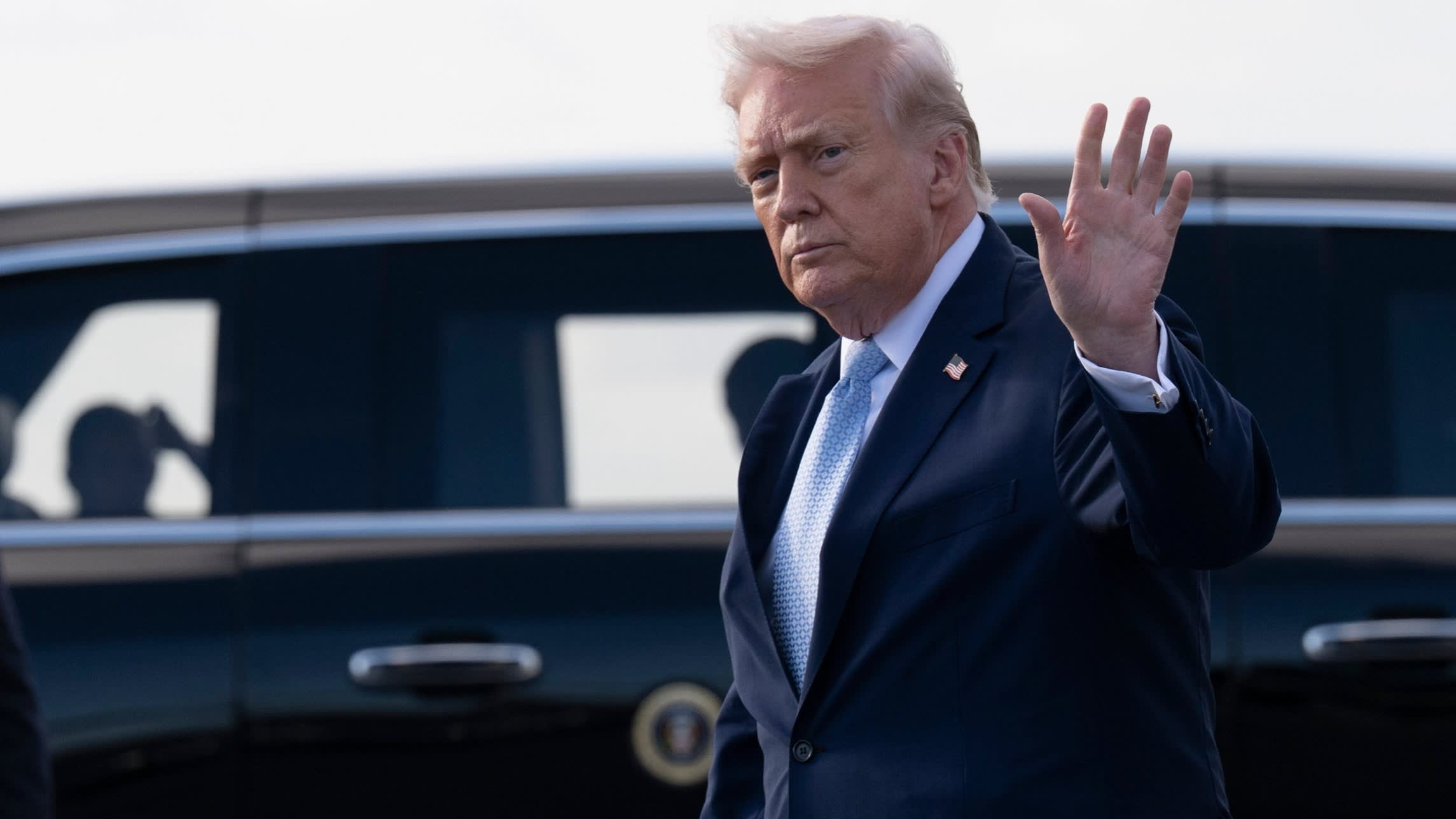
As American policy regarding the Middle East is expected to change, President Donald Trump's remarks confirm the opposite. Trump, who vowed to end what he calls the United States' 'endless wars,' has initiated a new conflict involving escalating tensions with Iran. This escalation shows no signs of a near resolution and appears to pull the U.S. towards a complicated military quagmire in the region.
Despite increasing threats, there seems to be no clear path out of this escalating crisis. While Trump faces domestic criticism regarding his foreign policy, U.S. military power is encountering growing challenges due to the actions of the Iranian regime, which has not hesitated to take steps that could further escalate the situation.
The history of American conflicts in the Middle East dates back decades, with the U.S. playing a key role in reshaping security and military policies in the region. However, the past two decades of wars and the issues faced by America in Afghanistan and Iraq have served as strong reminders for U.S. leadership about the impacts of foreign intervention in the internal affairs of states.
Given the current situation, tensions between the U.S. and Iran are not new. Since the Islamic Revolution in 1979, many significant events have brought both sides to the brink of confrontation, from the U.S. embassy hostage crisis to Iran's nuclear programs.
What complicates matters further is the involvement of other regional and global powers in this conflict. Iran is considered a key player in Iraq, Syria, and Lebanon, limiting America's military options. Moreover, escalating violence could strengthen Iranian-backed militant groups in the region, such as Hezbollah and Shiite militias in Iraq.
Additionally, the likelihood of escalation may provoke immediate responses from regional powers like Saudi Arabia and Israel, who view Iranian activities as a direct threat to their security. These dynamics could lead to new military conflicts that further undermine stability in the region.
The potential consequences of Trump's escalation could be far-reaching. As is known, the U.S. military is already suffering from fatigue due to current wars, and deploying new forces to the Middle East appears complicated and difficult under these circumstances. Public discontent in America regarding foreign wars may ignite internal criticism and place the administration in a difficult position.
This complex situation requires significant attention from both Arab and global states. Increased tensions between terrorist sponsors in the region may lead to instability, threatening Arab interests, especially in Egypt and Gulf countries.
The psychological and social impacts of these attacks may exacerbate security crises and rooted conflicts, requiring Arab governments to intensify their diplomatic efforts to avoid entering side conflicts.
Consequently, leaders in the region face the necessity of reassessing their existing strategies to mitigate the repercussions of these escalating crises. The American escalation has not been fully understood in its dimensions, and it may ultimately foster internal and external rebellions that lead to the disintegration of current regimes, hindering stability in the Middle East.