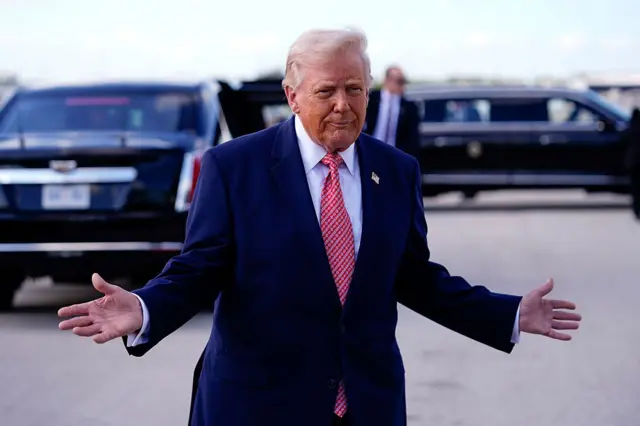
The situation in Iran is becoming increasingly complex as U.S. President Donald Trump's contradictory statements persist, raising concerns about the impact of the closure of the Strait of Hormuz on American interests. The Strait of Hormuz is a vital point for oil transportation, through which approximately 20% of the world's total oil exports pass.
As tensions between the United States and Iran escalate, fears grow regarding the impact of these developments on global markets, especially given the heavy reliance on Iranian oil. Analysts indicate that Trump's changing statements could exacerbate the situation, increasing uncertainty in the region.
Details of the Event
Reports indicate that the Strait of Hormuz remains closed to maritime traffic, negatively impacting the global economy. Trump has indicated on several occasions his readiness to take strict measures against Iran, heightening tensions. Meanwhile, the United States is seeking ways to overcome this crisis, including enhancing cooperation with its allies in the region.
Concerns are mounting that the continued closure of the strait could lead to rising oil prices, affecting both the American and global economies. Data has shown that oil prices have already begun to rise, raising alarms among investors.
Background & Context
Historically, the Strait of Hormuz has been a flashpoint for tensions between Iran and the United States. In recent years, relations between the two countries have significantly deteriorated, especially after Trump's withdrawal from the Iranian nuclear agreement in 2018. Since then, the United States has imposed strict sanctions on Iran, exacerbating the situation in the region.
Iran considers the Strait of Hormuz part of its sovereignty and views any attempt by the United States or its allies to control it as a threat to its national security. This has led to increased military tensions in the region, with Iranian forces ramping up preparations to counter any potential threats.
Impact & Consequences
The potential consequences of the closure of the Strait of Hormuz could be far-reaching. If the situation remains unchanged, we may witness a significant rise in oil prices, impacting the global economy as a whole. Additionally, the continuation of tensions could lead to military escalation, potentially dragging the region into a broader conflict.
On the other hand, these conditions could affect relations between the United States and its allies in the region, as everyone seeks to achieve stability. Trump may be forced to reassess his strategy towards Iran, especially in light of increasing economic and political pressures.
Regional Significance
The tensions in Iran and the closure of the Strait of Hormuz are sensitive issues for many Arab countries, especially those that rely on oil as a primary source of revenue. Any increase in oil prices could impact the economies of these nations, intensifying economic and social pressures.
Moreover, these conditions could lead to heightened tensions between Arab countries and Iran, threatening regional stability. It is crucial for Arab nations to make joint efforts to address these challenges and work towards enhancing regional cooperation to achieve security and stability.
In conclusion, the situation in Iran and the Strait of Hormuz remains a complex issue requiring international attention. Trump's contradictory statements increase uncertainty, necessitating a coordinated response from the international community to ensure regional stability.