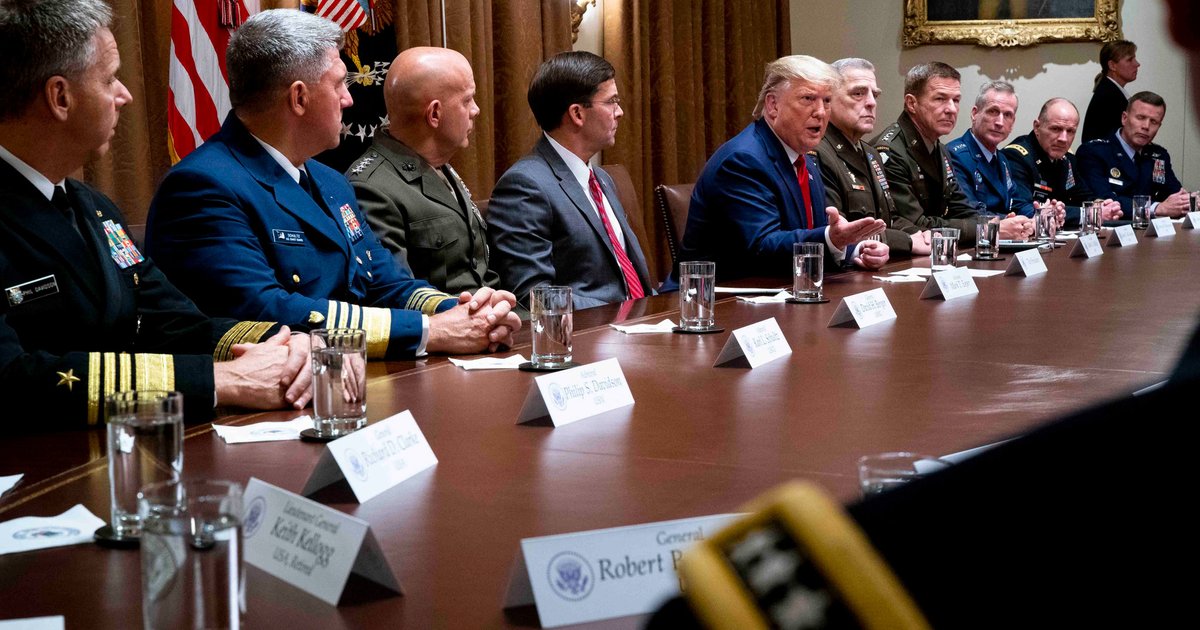
As tensions escalate between the United States and Iran, Jessica Genauer, an international conflict expert at the University of New South Wales, has confirmed that the strategic options available to President Donald Trump in this conflict appear to be limited. She explained that both parties, whether the United States or Iran, may face difficulties in fully achieving their goals.
These statements come at a sensitive time, as fears of a potential military escalation in the region are growing, raising concerns among U.S. allies in the Middle East. Furthermore, the increasing tensions could impact the stability of global oil markets, complicating the situation further.
Details of the Event
Tensions between the United States and Iran have been rising since Trump's withdrawal from the Iranian nuclear deal in 2018, which aimed to limit Iran's nuclear program. Since then, the United States has imposed stringent economic sanctions on Iran, leading to a deterioration of the country's economic situation. In response, Iran has expanded its nuclear activities, further escalating tensions.
In this context, Genauer points out that Trump's available options include increasing military or diplomatic pressure on Iran, but both options carry significant risks. Increasing military pressure could lead to an escalation of the conflict, while diplomacy may face resistance from Iran, which believes the United States has violated previous agreements.
Context and Background
Historically, U.S.-Iranian relations have seen increasing tensions since the Islamic Revolution in 1979. Since then, Iran has regarded the United States as a major enemy, leading to multiple conflicts in the region, including the disputes in Iraq and Syria. Additionally, U.S. interventions in the internal affairs of Arab countries have heightened anti-American sentiments in the region.
Iran is considered a key player in the Middle East, supporting various armed groups in Iraq, Syria, and Lebanon. This makes any military escalation with the United States complex, as it could provoke strong reactions from Iran's allies in the region.
Consequences and Impact
Trump's inability to achieve his objectives in the Iranian conflict could have significant repercussions for U.S. foreign policy. Failure to contain Iran may increase its influence in the region, threatening U.S. and allied interests. Moreover, escalating the conflict could lead to rising oil prices, impacting the global economy.
Furthermore, any military escalation could result in loss of life and increased humanitarian suffering in the region, complicating the situation further. Experts indicate that peaceful and diplomatic solutions are the best option to avoid further escalation.
Impact on the Arab Region
For Arab countries, the escalation between the United States and Iran represents a direct threat to security and stability in the region. Gulf states, in particular, are concerned about any escalation that could lead to military conflict. The situation in Iraq and Syria could also be significantly affected, further complicating humanitarian conditions there.
Ultimately, the current situation in the Middle East requires significant caution from all parties involved. Achieving peaceful and diplomatic solutions is the only way to avoid further humanitarian suffering and ensure regional stability.