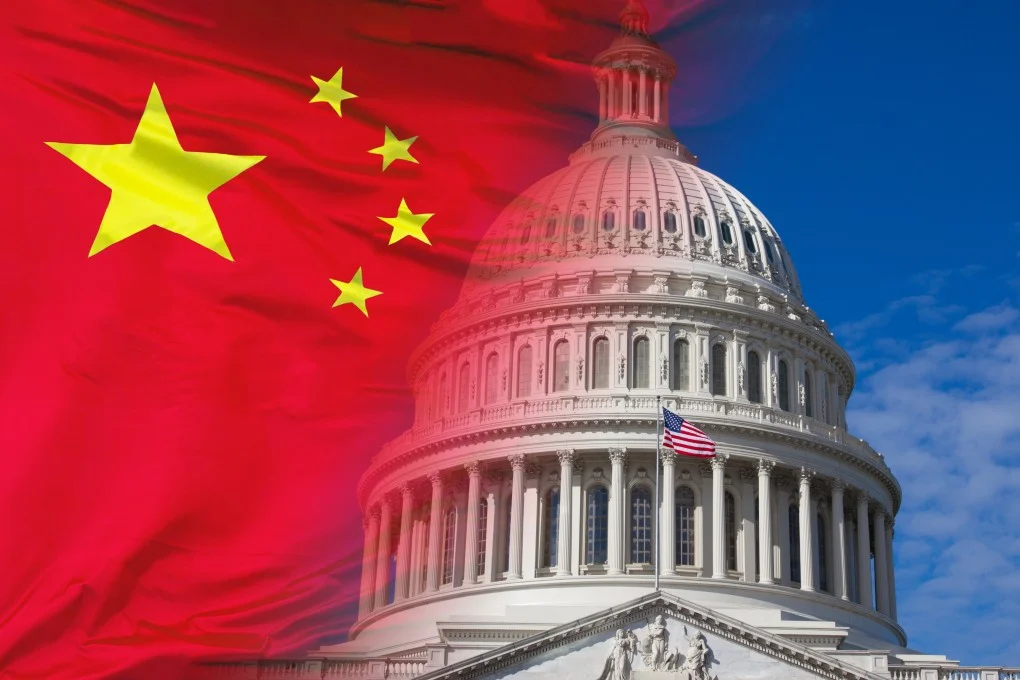
The visit of U.S. President Donald Trump to China has elicited mixed reactions within the halls of Congress, where lawmakers from both parties have issued clear warnings against any reduction in U.S. support for Taiwan or in the strategic competition with China. This visit comes at a sensitive time, as concerns grow over Beijing's increasing influence on the global stage.
While Democrats have criticized Trump for his leniency towards Beijing, many Republicans have pointed out that economic engagement with China should not come at the expense of U.S. commitments to its allies. This dynamic reflects a significant shift in the American stance towards China, with a growing consensus among both parties on the need for a firmer approach.
Details of the Visit
Trump's visit to China is part of the U.S. administration's efforts to strengthen trade relations, but it also occurs amid rising tensions between the United States and China. During the visit, Trump met with Chinese leader Xi Jinping, where they discussed a range of economic and political issues of mutual interest. However, there were concerns that these discussions might signal a retreat from the traditional U.S. position supporting Taiwan.
Many lawmakers expressed their worries that any indication of easing pressure on China could undermine the U.S. position in the region. Some representatives have asserted that American support for Taiwan must remain steadfast, warning that any reduction in this support could encourage Beijing to take more aggressive actions.
Background & Context
Over the years, U.S.-China relations have experienced significant fluctuations, characterized by periods of economic cooperation interspersed with times of political tension. Since Trump took office, his administration has adopted a tougher stance towards China, highlighting issues such as trade and human rights. This visit comes at a time when pressure on China from the United States and its allies is increasing across various domains.
Historically, the United States has supported Taiwan as part of its strategy to counter Chinese influence. However, political shifts in Washington suggest that this support may come into question, raising concerns among U.S. allies in the region.
Impact & Consequences
Trump's visit to China marks a turning point in U.S. foreign policy, reflecting a shift in attitude towards Beijing. This shift could affect American relations with its allies in the region, particularly with Taiwan. If the United States continues to adopt more lenient positions, it may lead to changes in the balance of power in the region.
Furthermore, this shift could impact the global economy, as China is one of the largest economies in the world. Any changes in trade relations between the United States and China could affect global markets and lead to price volatility.
Regional Significance
For the Arab region, changes in U.S. policy towards China could affect economic and political relations. China is a significant trading partner for many Arab countries, and any tension in U.S.-China relations may impact investments and joint projects.
Additionally, shifts in U.S. policy could lead Arab nations to reassess their relationships with both the United States and China, potentially opening the door for greater cooperation with Beijing in areas such as energy and infrastructure.