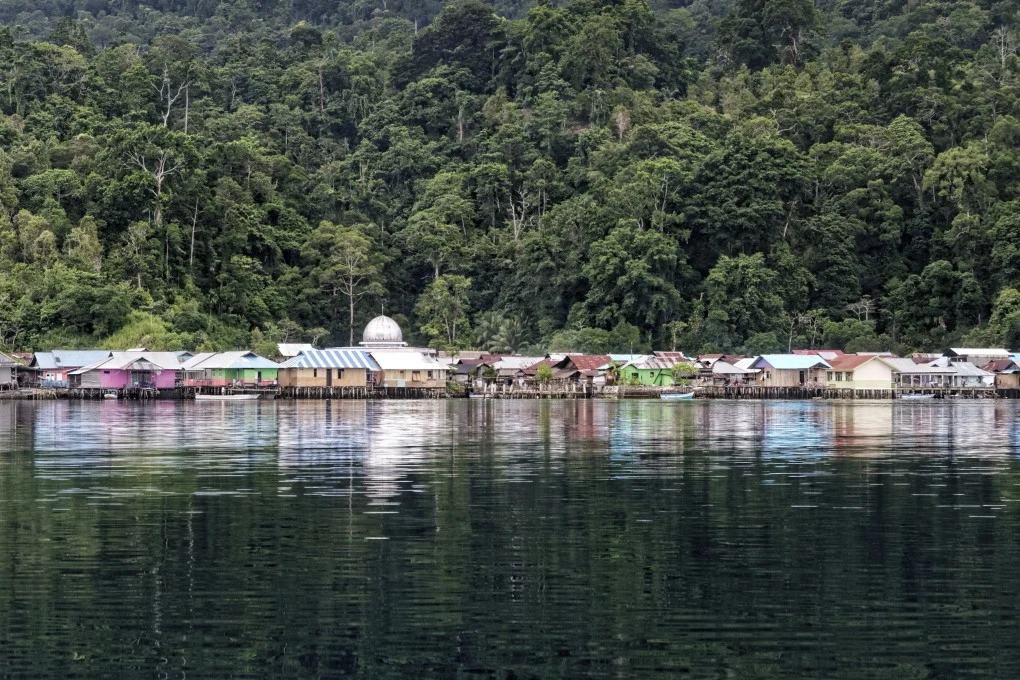
A strong earthquake measuring 7.4 on the Richter scale hit the Maluku Sea in northern Indonesia, near the historic island of Ternate, on Thursday, leading to tsunami warnings in neighboring countries such as the Philippines and Malaysia. According to the United States Geological Survey, there have been no immediate reports of injuries or significant damage, but the earthquake has raised concerns in the region.
The main earthquake was followed by several aftershocks, with some of these tremors registering as high as 5 on the Richter scale. Indonesian authorities issued tsunami warnings for areas in the provinces of North Maluku and North Sulawesi, prompting residents to take urgent precautions.
Details of the Event
The earthquake occurred at 8:50 AM local time, with its epicenter located at a depth of approximately 10 kilometers beneath the sea surface. The earthquake was detected about 150 kilometers from the city of Ternate, historically known as a center for spice trade. Local authorities issued warnings for people to stay away from the coasts.
At the same time, warnings were lifted in some areas after assessing the situation, but authorities remain on alert to monitor any additional seismic activity. Rescue teams in the affected areas have been reinforced in anticipation of any emergencies.
Background & Context
Indonesia is considered one of the most earthquake-prone countries in the world, situated on what is known as the "Ring of Fire" in the Pacific, an area that is seismically active. Historically, the country has experienced numerous devastating earthquakes, including the 2004 tsunami earthquake that resulted in the deaths of more than 230,000 people across various countries.
Earthquakes frequently occur in the Maluku Sea region, where tectonic plates intersect. The area has witnessed several strong earthquakes in recent years, highlighting the ongoing need to enhance early warning systems and raise awareness among the population.
Impact & Consequences
These seismic events raise concerns about the ability of countries to respond quickly to emergencies. The tsunami warnings underscore the importance of having effective emergency plans, especially in coastal areas that may be significantly affected. Additionally, a swift response from local authorities can mitigate potential damage and help save lives.
Although there have been no immediate reports of injuries, earthquakes remain a constant threat to the region, necessitating improvements in infrastructure and training for residents on how to act in emergencies. Proper preparedness and planning can make the difference between life and death in such circumstances.
Regional Significance
While this event may seem distant from the Arab region, earthquakes and tsunamis can impact shipping and trade in the Pacific, potentially affecting the global economy. Major natural events remind us of the importance of international cooperation in facing natural disasters.
In conclusion, anticipation remains high in Indonesia and neighboring countries, with a need to be prepared for any developments that may arise in the coming days.