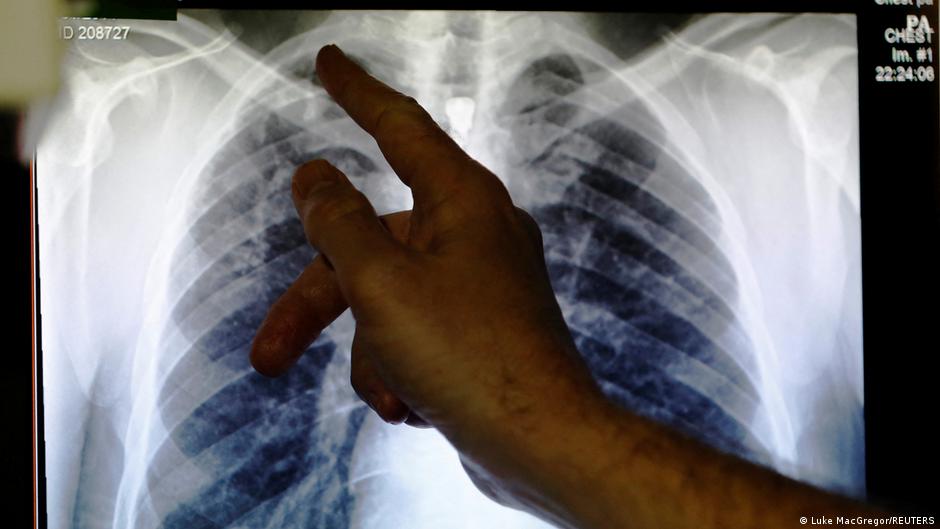
South Africa and Mozambique are among the most affected countries by tuberculosis (TB) in the world, struggling to reduce the number of infections and deaths caused by this disease. According to the World Health Organization, approximately 54,000 people died from TB in South Africa in 2024, a figure lower than in previous years, but experts warn that the epidemic is far from over.
Reports indicate that South Africa bears a heavy burden due to high rates of HIV infection, with a co-infection rate of 54% among those living with the virus. Helen Halstrom, Partnerships Officer at ADPP Mozambique, states, "People living with HIV often have weakened immune systems if they do not adhere to treatment."
Current Situation and Statistics
In Mozambique, the situation is equally dire, with approximately 112,000 new cases of TB recorded in 2023, and around 17,400 cases remaining undiagnosed, reflecting ongoing barriers to accessing healthcare. Additionally, Mozambique faces a significant problem with drug-resistant TB, further complicating treatment efforts.
Although TB is preventable and treatable, it remains one of the leading causes of death in Mozambique, particularly among those infected with HIV. Economic gaps play a crucial role in the disease's spread, as the country suffers from chronic malnutrition and high poverty rates.
Background & Context
Historically, TB has posed a significant challenge in Africa, where social and economic factors intersect with disease control efforts. Weak healthcare systems, along with stigma and discrimination against those infected, hinder many from seeking timely diagnosis and treatment.
Reports suggest that limited knowledge about TB symptoms leads to continued infections. For example, individuals who experience weight loss and a persistent cough may mistakenly believe they are suffering from allergies, resulting in delayed diagnosis.
Impact & Consequences
Health activists and government officials in South Africa are working to enhance screening and treatment campaigns. Deputy President Paul Mashatile emphasized at an event for World TB Day that "our national TB program has achieved remarkable success in reducing TB incidence rates." However, there remains an urgent need to train more community promoters to raise awareness about the disease.
In Mozambique, Modesta Antonio, a 67-year-old community leader, has become a powerful voice in raising community awareness about TB, despite lacking a medical background. Her efforts have significantly contributed to encouraging testing and treatment.
Regional Significance
The experiences of South Africa and Mozambique in combating TB serve as important lessons for Arab countries, which can benefit from enhancing health awareness and developing healthcare systems. A better understanding of the disease and its symptoms, along with improved access to treatment, can help reduce infection rates in the region.
In conclusion, despite ongoing challenges, there has been notable progress in TB control efforts in South Africa and Mozambique. Strengthening community engagement and providing necessary information can contribute to eradicating this disease in the future.