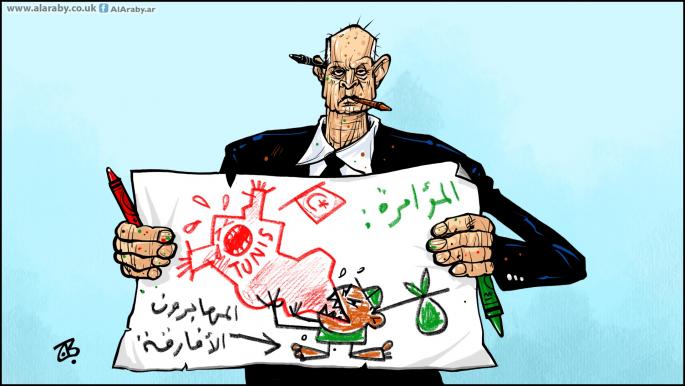
Tunisia is currently living in a state of political void, where the government suffers from a dual incapacity to produce a unifying meaning for politics or to present a clear vision for the future. Conversely, the opposition has not succeeded in building a political alternative that can restore hope to citizens and enhance the country's stability.
This situation reflects a deterioration in Tunisian political life, as citizens feel frustrated by the absence of effective solutions to their daily problems. Concerns are growing that this void could exacerbate economic and social crises, threatening the country's long-term stability.
Details of the Situation
The manifestations of this political void are evident in the government's inability to make decisive decisions on pressing issues such as unemployment and inflation. Additionally, the lack of effective dialogue among various political parties complicates the situation further. At the same time, the opposition lacks a clear vision or action plan that can attract citizens and restore their confidence in the political process.
Tunisia, which was once a model of democracy in the region following the 2011 revolution, is in dire need of rebuilding trust between the government and the people. However, the current challenges require collective efforts from all concerned parties.
Background & Context
Historically, Tunisia has undergone significant political transformations since the ousting of the Ben Ali regime. Despite the progress made in terms of public freedoms, recurring economic and political crises have led to a state of general frustration. The recent elections were an example of declining political participation, as many voters boycotted the elections due to their lack of trust in the political process.
It is worth noting that the regional situation also plays a role in influencing the Tunisian political landscape. Crises in neighboring countries, such as Libya and Algeria, may affect Tunisia's stability and complicate internal conditions.
Impact & Consequences
The continuation of this political void could lead to exacerbated economic and social crises, increasing poverty and unemployment rates. Furthermore, the absence of a clear vision may open the door for extremist political forces to exploit the general state of frustration.
Moreover, political instability could negatively impact foreign investments, further complicating the economic situation. Tunisia needs to restore confidence in its political and economic institutions to ensure a better future for its citizens.
Regional Significance
Tunisia serves as an example of the challenges faced by many Arab countries in their journey towards democracy. The political void experienced by Tunisia may serve as a warning to other nations striving for political and economic stability.
If Tunisia fails to overcome this crisis, it could have negative repercussions on the regional neighborhood, where the state of frustration and instability could spread to other countries in the region.
In conclusion, the current situation in Tunisia requires an urgent response from all political and societal parties. Efforts must be combined to build a shared vision that restores hope to citizens and ensures the country's stability in the future.