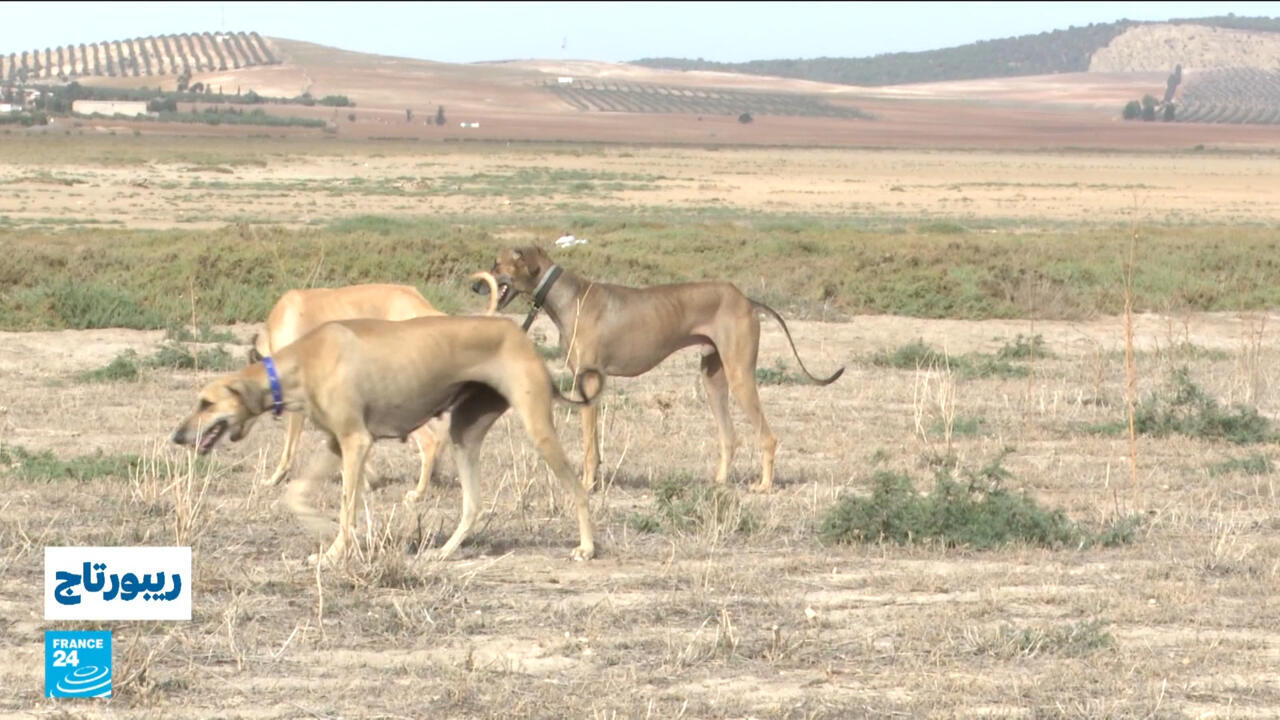
Saluki dogs are an inseparable part of Tunisia's cultural heritage, with their use dating back thousands of years. These dogs have proven effective in the lives of nomadic tribes, where they were used for hunting and protecting herds. However, this breed faces significant challenges that threaten its purity due to unregulated hybridization.
Historically, Saluki dogs were considered symbols of dignity and bravery in nomadic communities, where they were carefully bred to maintain their distinctive characteristics. Over time, this breed began to face multiple threats, including hybridization with other breeds, leading to the loss of some unique traits that define them.
Event Details
In recent years, intensive efforts have been initiated to preserve the purebred Saluki dogs in Tunisia. These efforts include organizing exhibitions and events aimed at raising community awareness about the importance of maintaining this breed. Programs have also been established to encourage breeders to adhere to specific standards to preserve the breed's purity.
These initiatives aim to enhance cultural awareness regarding the significance of Saluki dogs, not only as pets but as part of Tunisia's cultural identity. Studies have shown that these dogs possess unique abilities that make them ideal for hunting, which enhances their value in nomadic societies.
Background & Context
The origins of Saluki dogs trace back to ancient times, where they were used for hunting by nomadic tribes in North Africa and the Middle East. Environmental conditions and cultural traditions have contributed to shaping this breed, allowing it to adapt to life in the desert.
However, in recent decades, significant changes have occurred in nomadic lifestyles, with many tribes moving to urban areas. This shift has led to a decline in interest in breeding Saluki dogs, contributing to the prevalence of hybridization with other breeds.
Impact & Consequences
Unregulated hybridization poses a real threat to the purity of the Saluki breed, leading to the loss of genetic traits that distinguish them. This issue may negatively impact these dogs' ability to hunt and protect herds, reflecting on the lives of the tribes that depend on them.
Addressing these challenges requires integrated efforts involving breeders, government entities, and civil society. Through collaboration, positive outcomes can be achieved that contribute to preserving this original breed and enhancing awareness of its importance.
Regional Significance
Saluki dogs are considered a symbol of Arab heritage, present in many Arab countries. Preserving this breed in Tunisia can serve as a model for other countries facing similar challenges.
These efforts can help strengthen Arab cultural identity and enhance connections between different communities. Additionally, maintaining the Saluki breed can boost cultural tourism in Tunisia, allowing visitors to learn about this unique heritage.
In conclusion, preserving the purebred Saluki dogs in Tunisia represents a challenge that requires the concerted efforts of all stakeholders involved. Success in this endeavor can have a positive impact on local culture and economy, enhancing Tunisia's status as a distinctive cultural destination.